

Hi folks! I’m Alan McIntyre, a cinematographer, teacher, and filmmaker. I’m honored to guest post on Ted Hope’s Hope for Film this week. I got my start as an intern at his and James Schamus’ company, Good Machine, which led to working on Happiness and the rest of my set career.
I’m always looking for ways to improve my craft, especially during downtime between shoots, so I wanted to share some techniques I use to stay sharp.
ABS: Always Be Shooting!
How Can You Shoot Better Pictures?
Cameras do so much for us these days, in terms of exposure, focus, and color temperature, that it sometimes doesn’t leave much to the imagination. But there’s always one thing that’s mostly in your control – the way you choose to frame your image.
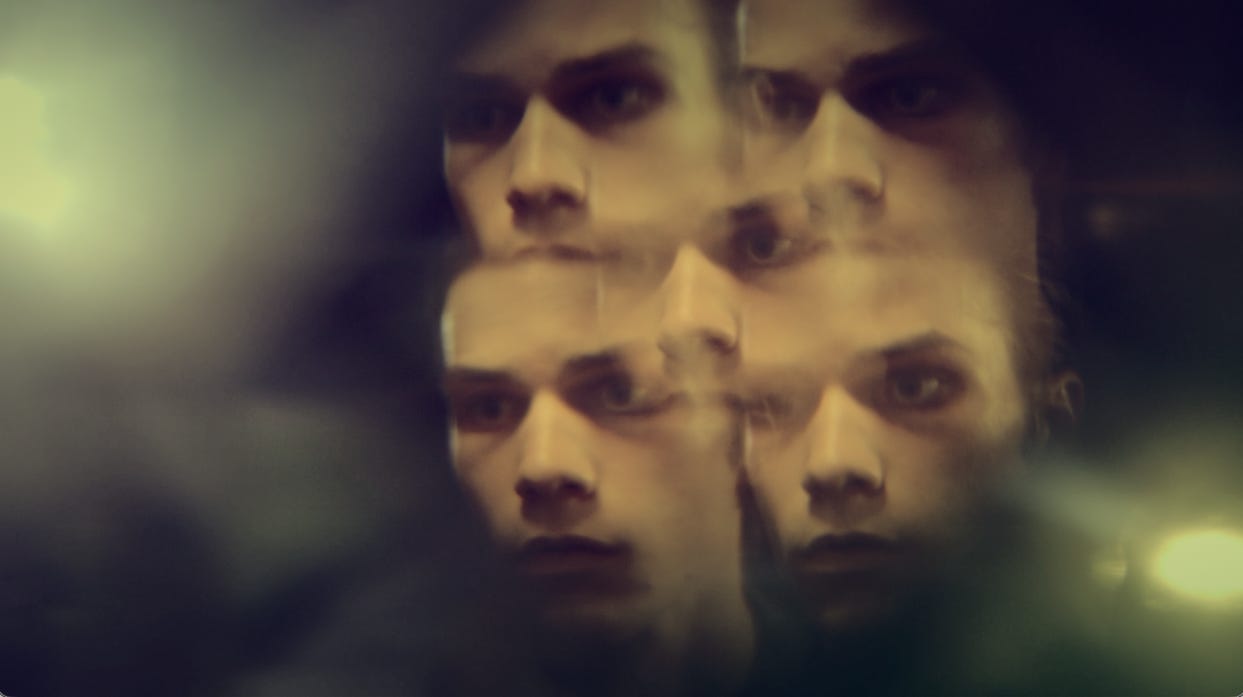
Composition preferences are different for each filmmaker, but no matter how you frame, it’s imperative to challenge your thinking and make sure you are consciously choosing your compositions.
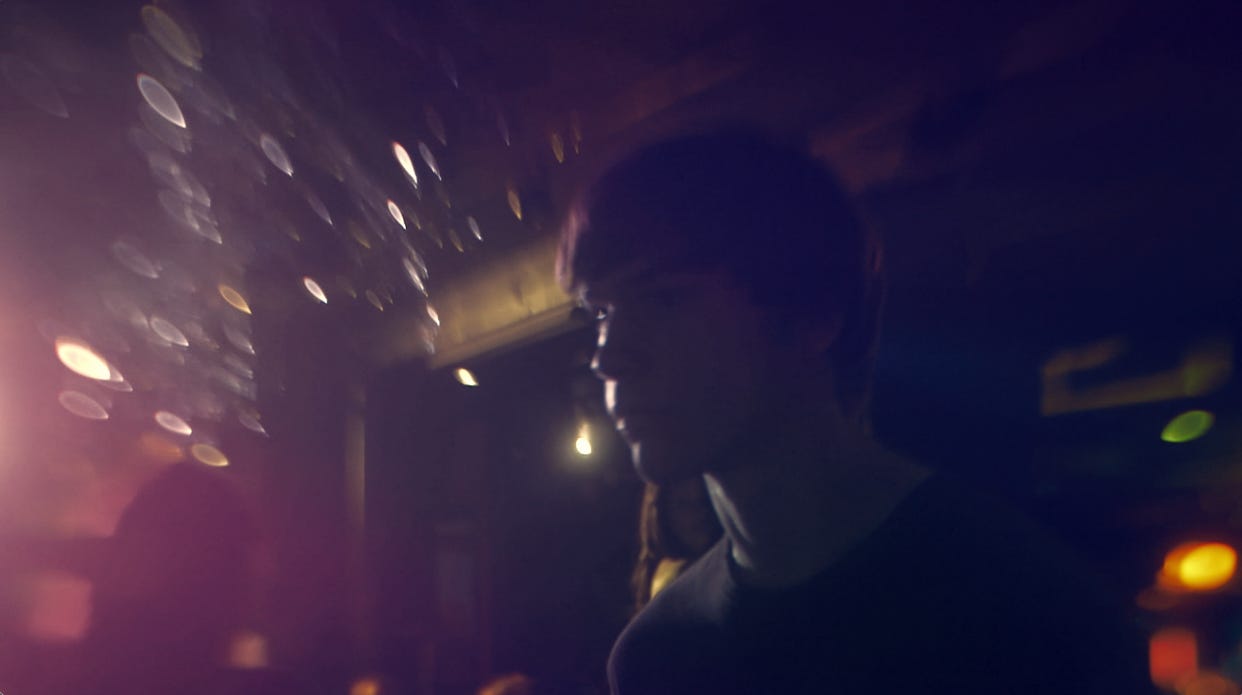
I like to challenge myself to get past my internal compositional bias and try new framing techniques.
The best way is to work with directors who are radically different composers from me, so as we set the camera and choose lenses, each choice is the product of a conversation or shot plan. This also makes each movie feel unique, playing to its visual strengths rather than settling for industry standards.
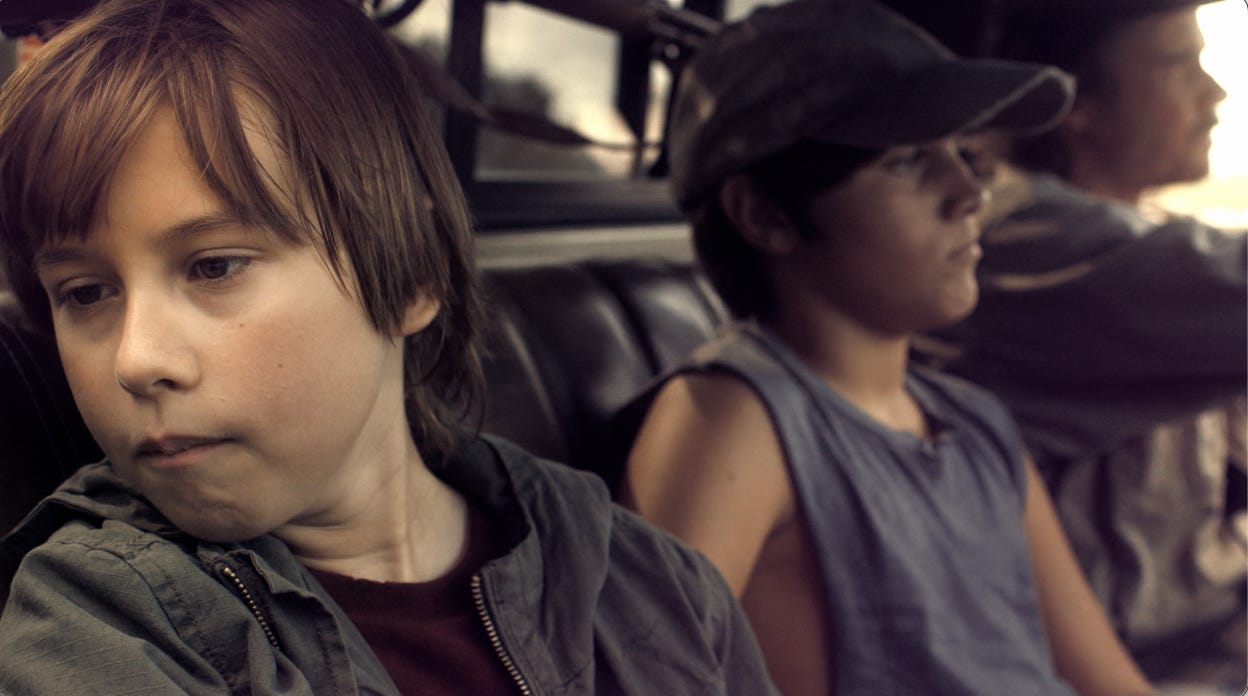
But in between “real” shoots, there are lots of ways to up your game and keep in compositional shape. The following exercises can be shot with any type of camera, but I would recommend one with changeable lenses and manual settings to get the most out of your experiments.
Five Techniques to Practice Composition
Street photography is a great way to practice finding a frame because you only have a second to get it. It trains you to be present and keep your eyes open, anticipating what could happen next.
And walking around is good for your heart.
When I was attempting to become a cinematographer after years of gaffing, it was hard to find people who would believe in me enough to risk their productions on someone who was stepping up. So I went out for walks and shot what caught my interest on 35mm black & white film, then printed it in a darkroom. That multi-step process helped me winnow down which compositions “said something” to me and were worthy of further exploration as a larger print.
Eventually I was able to use my stills portfolio to get a few shooting gigs and start building up my cinematography reel.
Five ways that I practice shooting to improve my compositions:
1. Fast Draw Street Photography
Go with the flow and find your frame in a nano-second when shooting life on the street, or in nature, if you’re far from an urban center.
The advantage of this approach is that it doesn’t give you time to question your own judgment. You see a person or object that forms an image in your mind, and you land that frame before it changes.
This works best in manual settings – otherwise, your camera might take a few seconds to make the auto adjustments, and you could miss your moment.
If you are looking for ways to challenge your typical composition bias, go out with instructions in mind, like “I will frame subjects in the bottom third,” or “I will compose with foreground overlap.” By naming and focusing on a particular framing style, you can consciously shake up your unconscious habits.
When I switched over from film stills cameras to digital, I realized that I could make animations by shooting bursts of frames, which led to an experimental documentary where I combined animated street photography with music from my favorite harpsichordist, Domenico Scarlatti.
Who’s your favorite harpsichordist? Take a listen and I’ll bet it will be Scarlatti:
2. Single Lens Shooting
Pick one lens and stick to it. It can be a prime lens with only one focal length or a zoom that you keep at one setting, but the important thing is that, shot after shot, you stick to the same lens.
When you keep to one focal length and shoot a variety of frame sizes – wide shots, mediums and close ups – you start to see how that particular lens reacts to each situation differently.
You can also experiment with extreme low and high angles, which feel quite different on wider vs. longer lenses.
I remember at some point I wanted to get to know what a 50mm felt like without thinking about it, so I spent a year only taking a 50mm out with me. I got to a point where I could look at a scene in front of me and automatically know where the frame lines would be based on my proximity to the action. It felt like a compositional superpower.
The 50mm-only setup stopped working for me when I traveled to South Africa for a movie. Shooting on the streets there, I felt like I really needed a wider lens to capture the setting – what had worked in New York didn’t feel right in Johannesburg.
So the following year, when I got a chance to work on a film in India, I bought a 24mm, which got me positioning myself much closer to my subjects to get the shot. That lens got me center framing as well, working compositions out of the natural environment’s radial response.
3. Iterate! Edit! Repeat!
Frame your subject as you see fit and shoot. Then tilt up a bit and repeat. Pan right, pan left, tilt back down too far and keep going. When you’ve exhausted the possibilities move the camera in the space and repeat.
Don’t get caught up in any emotions or image hierarchy, just try different visual approaches without judgement.
Download the photos and go through the shots on a large screen, not the two inch one on the camera. Compositions always feel different depending on their viewing format – that’s why seeing a movie in the theater feels so much more special than watching on your laptop or phone.
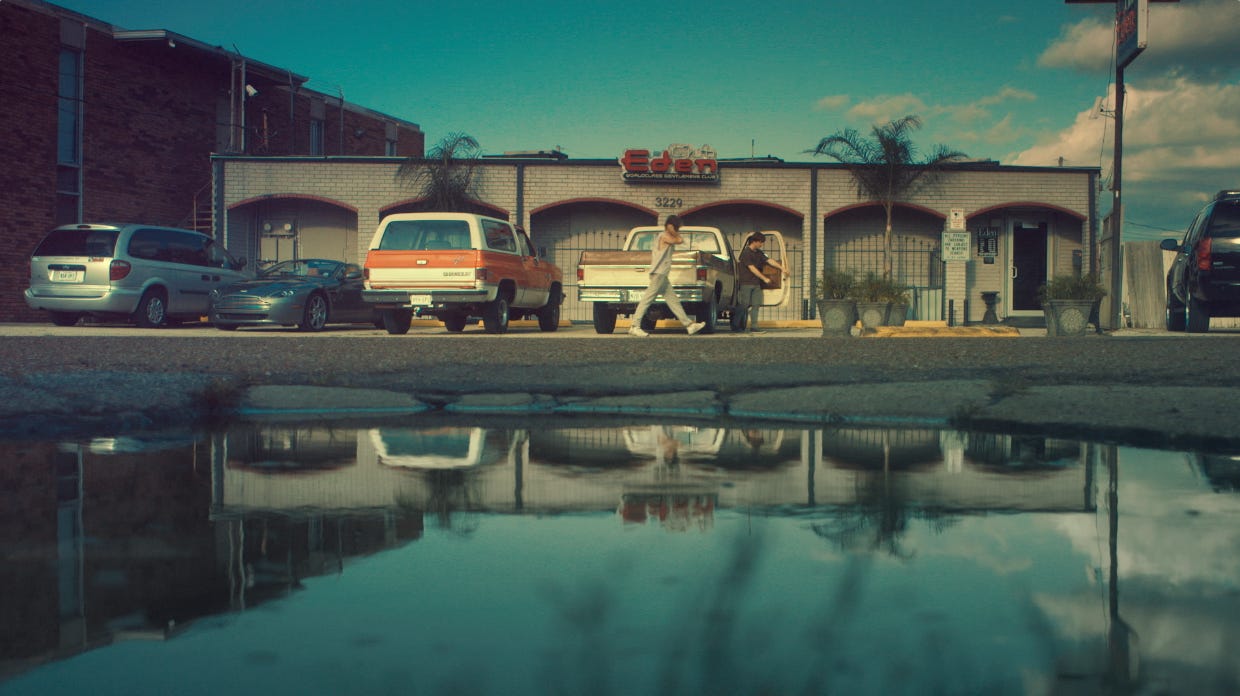
As you compare your compositional experiments, start with all of them on the screen, then one by one delete them until you have your favorite.
4. Copy the Masters
Spend time with real art at museums but don’t just glance and walk by – get to know the work through deep interaction. You can do an “art meditation” where you concentrate on one piece for ten minutes starting with the broad composition then seeking details and unnoticed visual elements.
This practice helps build patience, concentration, and a greater appreciation for the layers that create a great work. I learned this from my dad, who would spend a seemingly endless time studying each painting in a gallery as others walked by with barely a glance.
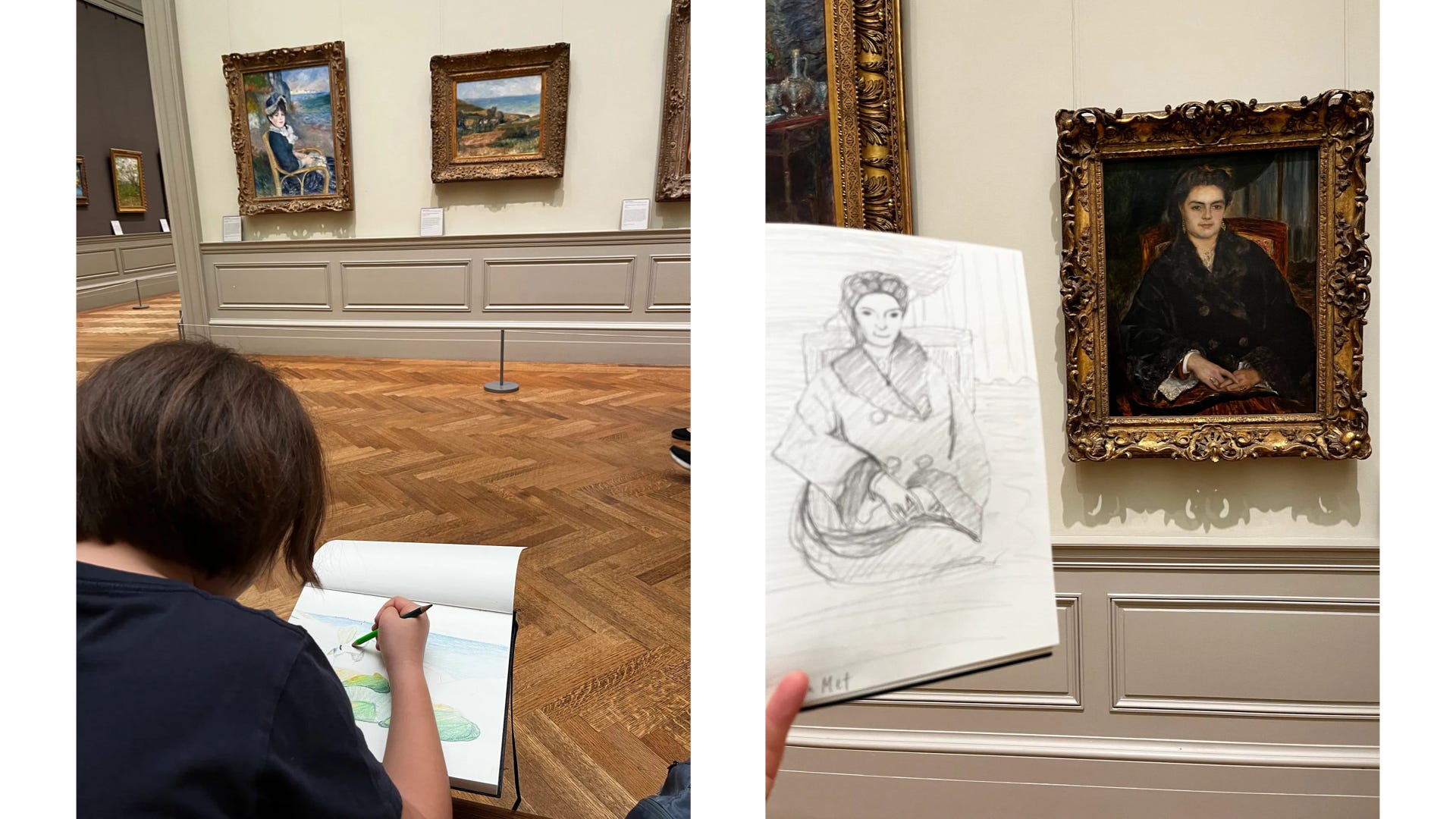
Even better than meditating, bring some pencils and a notebook with you to make a freehand copy. I don’t want to hear that you’re no good at drawing – this practice isn’t about your recreation, it’s about you taking the time and effort to imitate the lines and shapes that have created the work in front of you. I bring my daughter to the Met and walk around until we find a room that inspires us, then get down to it.
My mom used to tell us that we would never forget a place we had drawn, and she was right. There are still corners in Rome that I drew as a teenager where I remember the shape of the stones and decorative elements.
5. Use the Henri Cartier-Bresson “Decisive Moment” Approach
“To take a photograph is to align the head, the eye and the heart. It’s a way of life.”
– Henri Cartier-Bresson
Henri Cartier-Bresson was a French photographer and co-founder of MAGNUM Photos in 1947. He was well known for his perfectly timed and impeccably composed street photographs, which he took up in 1932.
He was drawn to the spontaneity allowed by a camera:
“for me the camera is a sketch book, an instrument of intuition and spontaneity, the master of the instant which, in visual terms, questions and decides simultaneously… It is by economy of means that one arrives at simplicity of expression.”
Cartier-Bresson would find interesting compositions in public places and wait for something to happen or a person to pass by, clicking the shutter at just the right moment.
Some Decisive Moments from the Magnum Photos Archive:
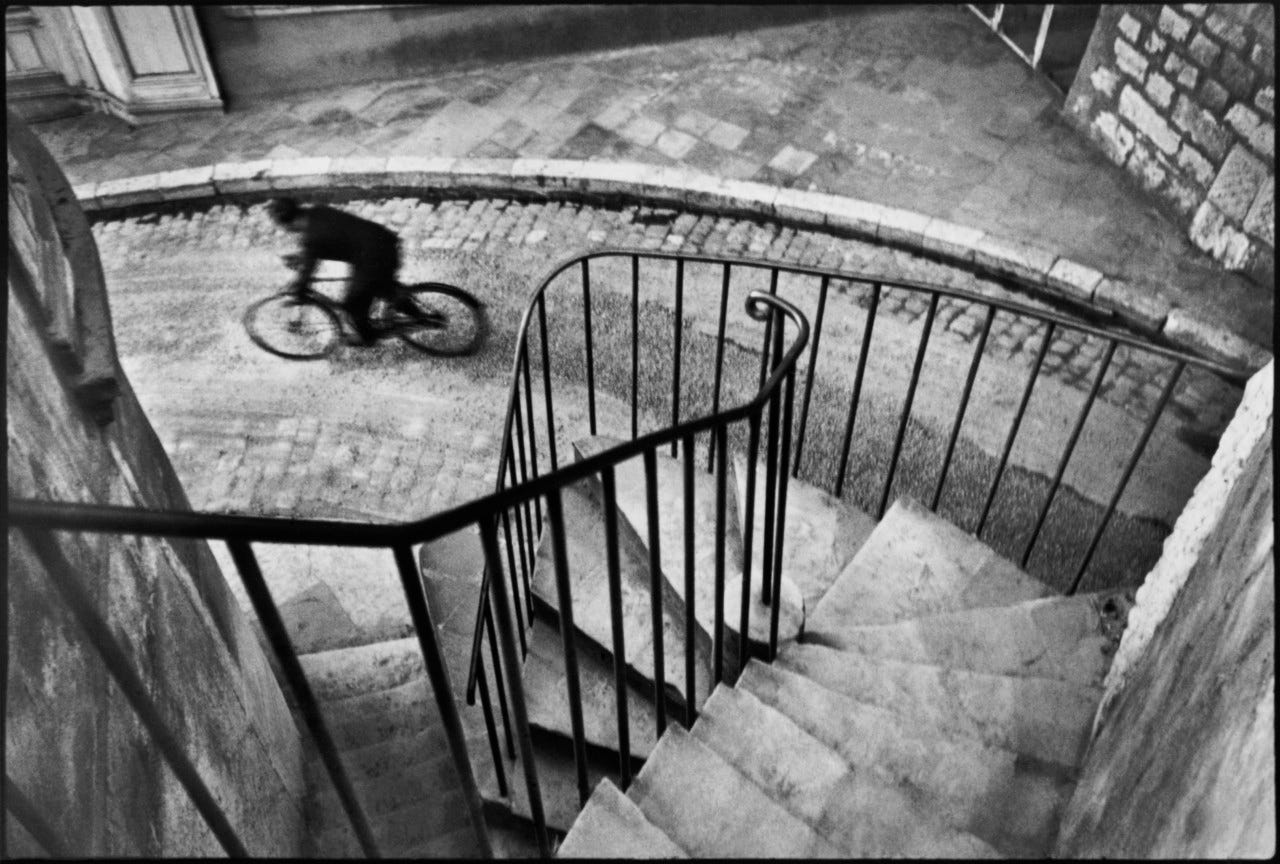
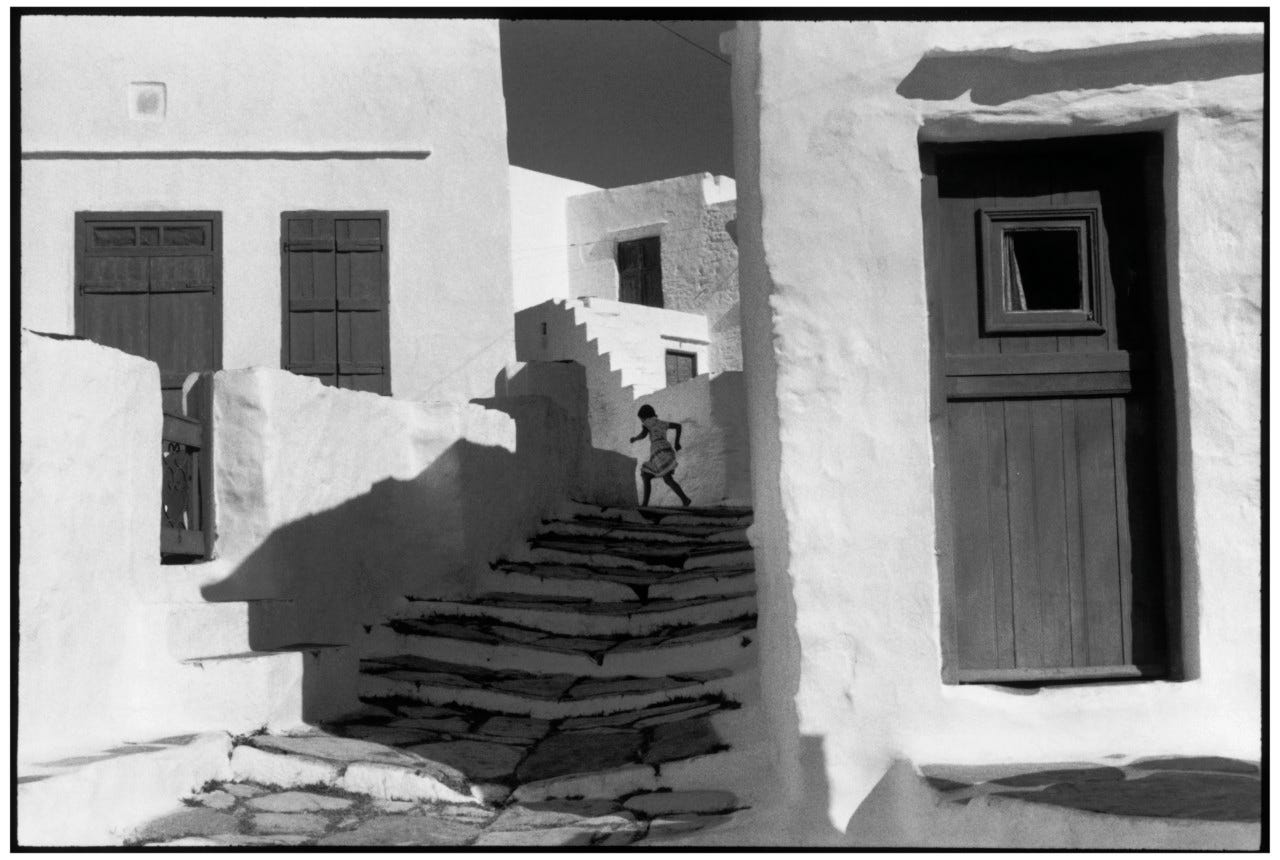
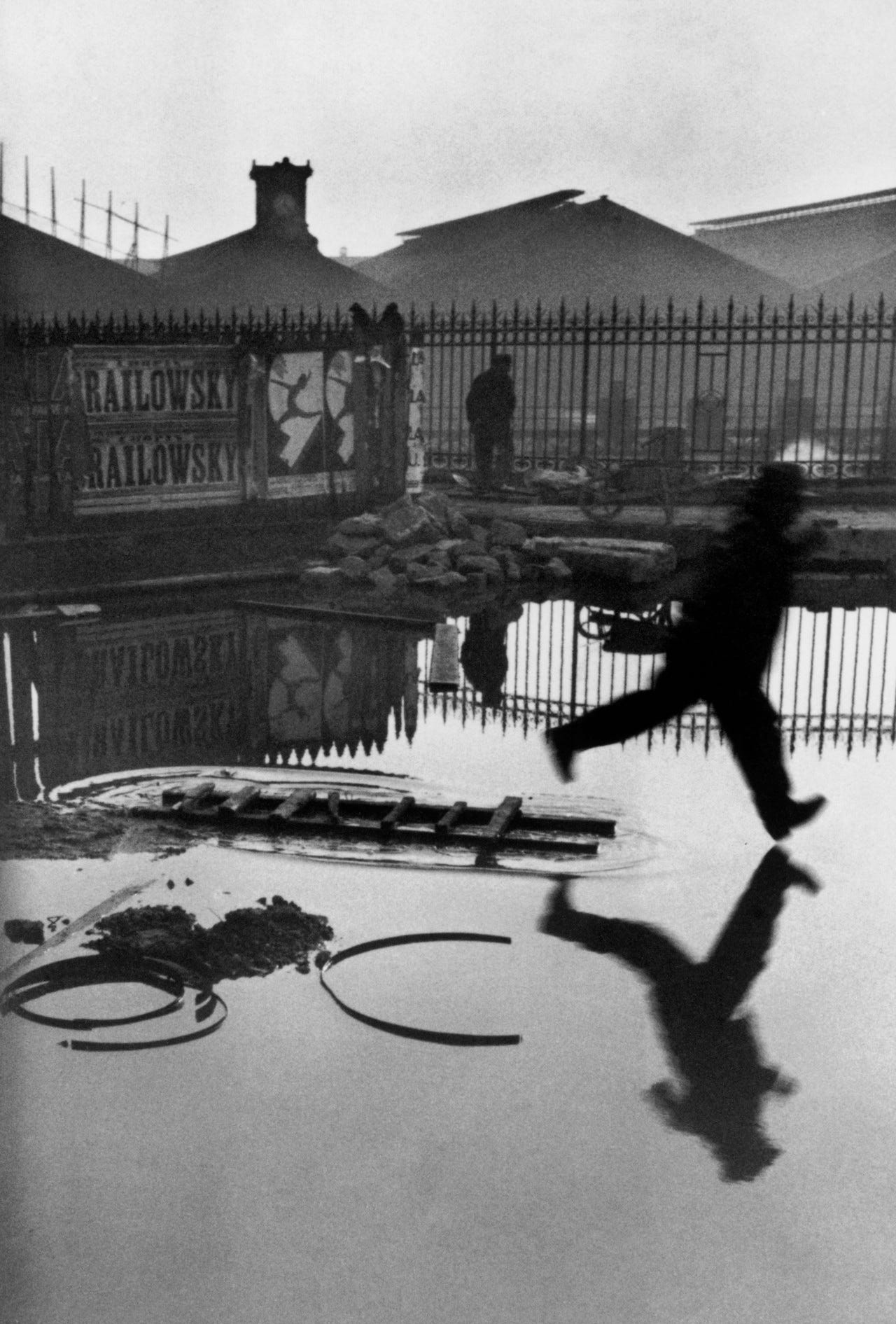
To delve further into Henri Cartier-Bresson, read the article on the Magnum Photos website.
Composition Case Study: White Rabbit
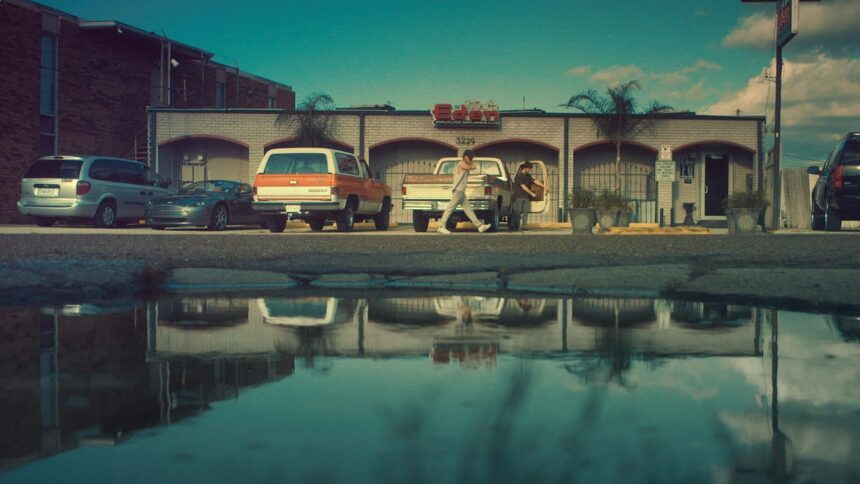
Working with film director Tim McCann was a shock to my system when we started shooting together on the feature film White Rabbit in the New Orleans area in 2012. The film follows the downward spiral of a high school student, Harlan, who suffers from hallucinations as he is bullied by his peers, leading him to a school shooting rampage. Tim wanted the audience to feel every emotional beat with the right angle, so we developed a lens language around the main character’s struggles.
He is bullied and lonely, so we looked for ways to visually isolate Harlan, shooting his main coverage close with a wide lens, his head and body overtaking every frame, with everyone else shrinking into the background.
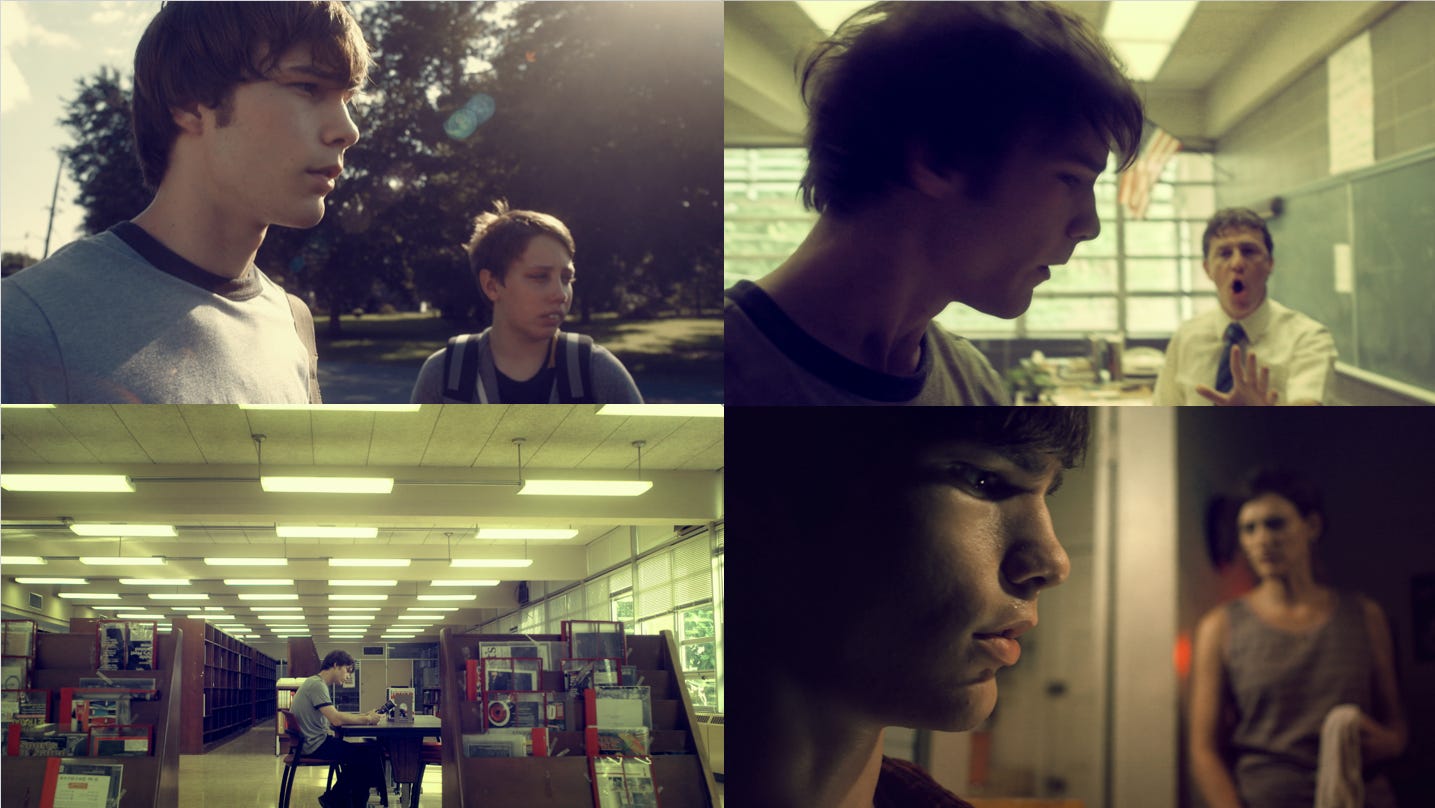
We intercut the wide lenses with telephoto shots, layering the images to blanket the character – hiding in plain sight.
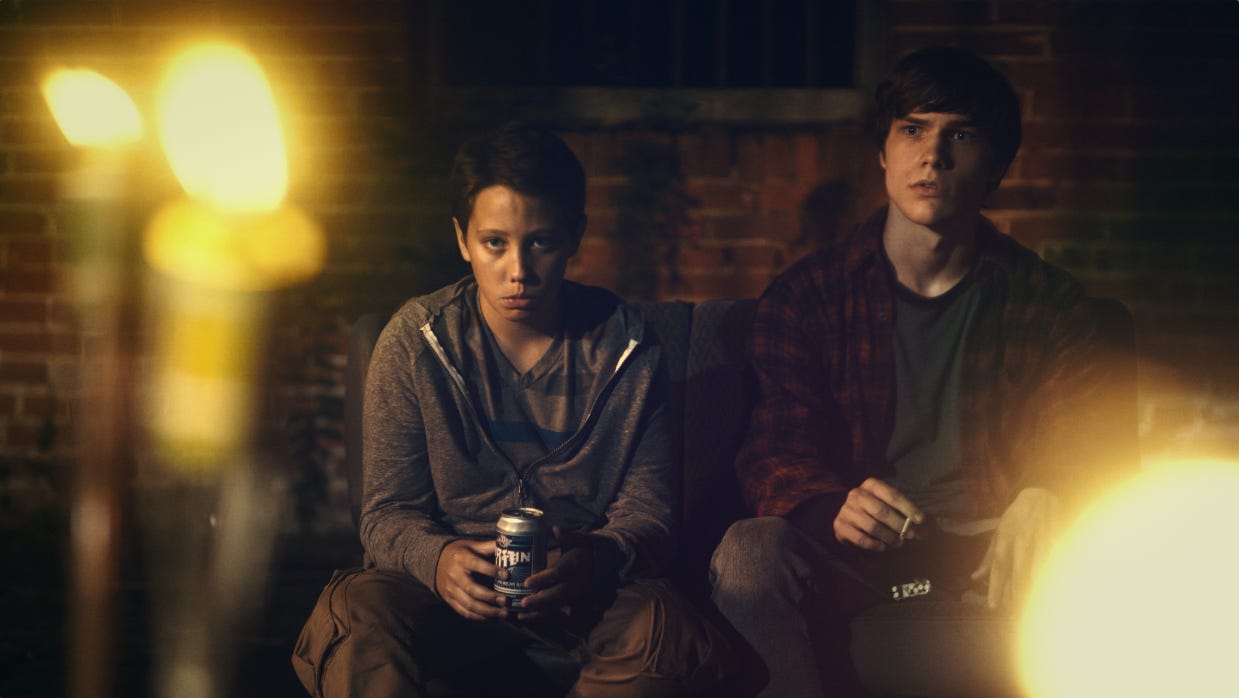
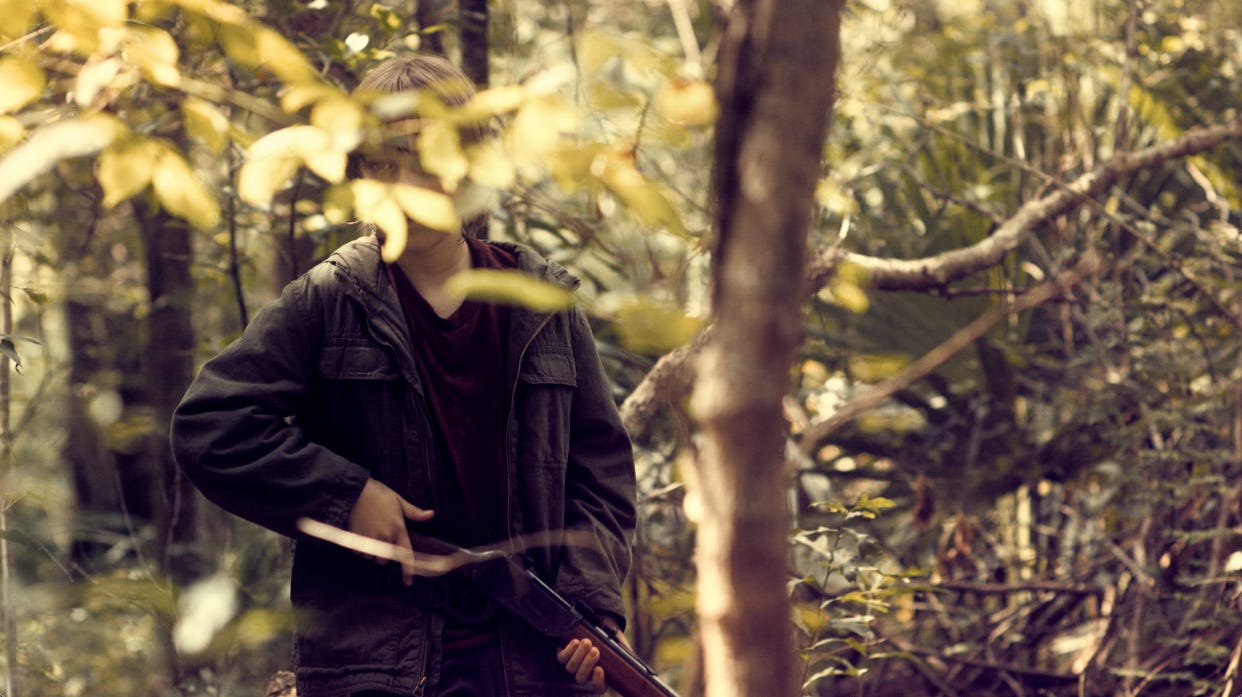
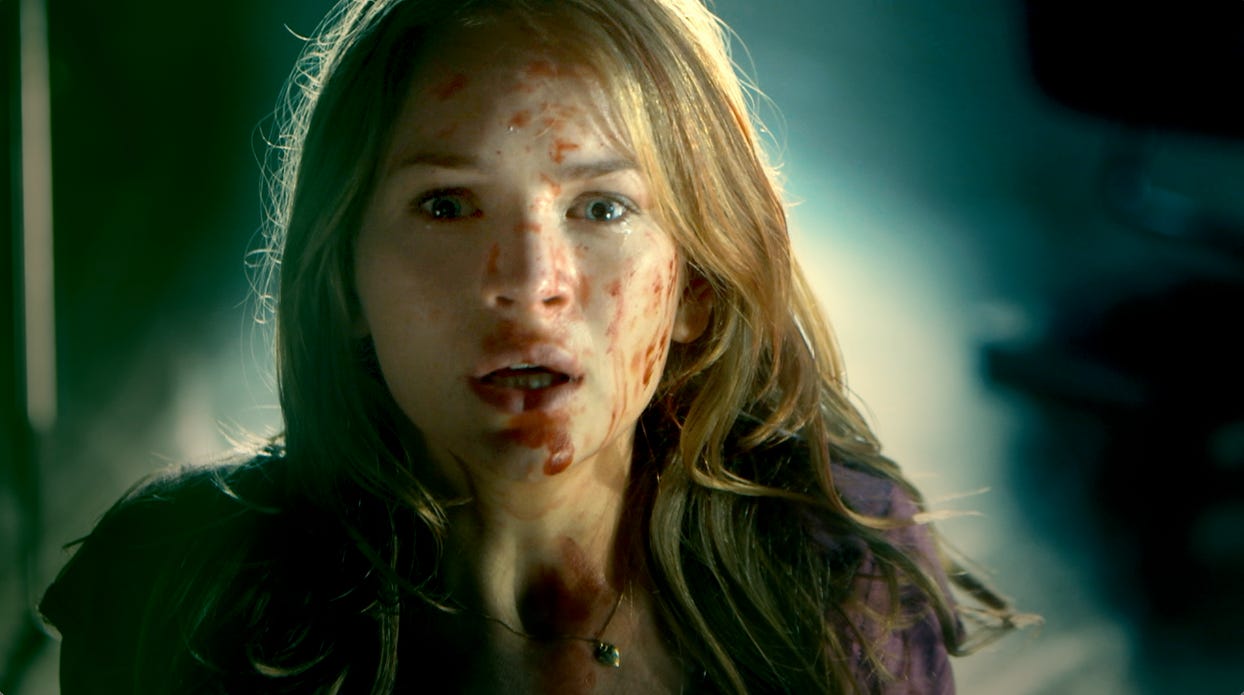
He finds salvation in a manic and drug-addled classmate, brilliantly played by Britt Robertson, but she heads off to rehab, leaving him down in the dumps. We captured that dejection with the wide shot below, making Harlan impossibly small in his own world, out of place on a child’s swing. The broken swing next to him is the perfect touch.
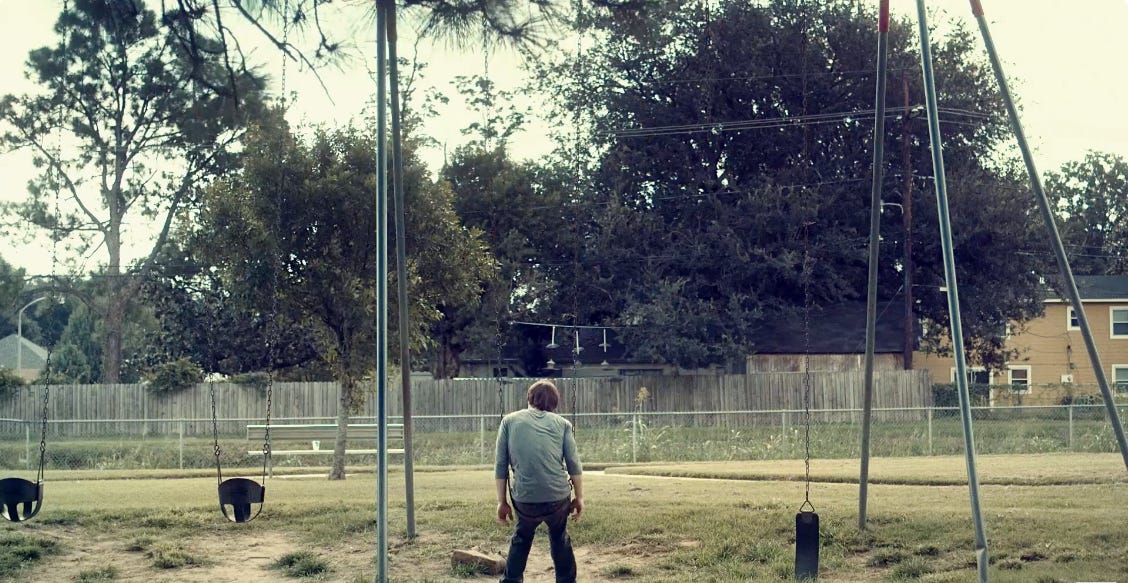
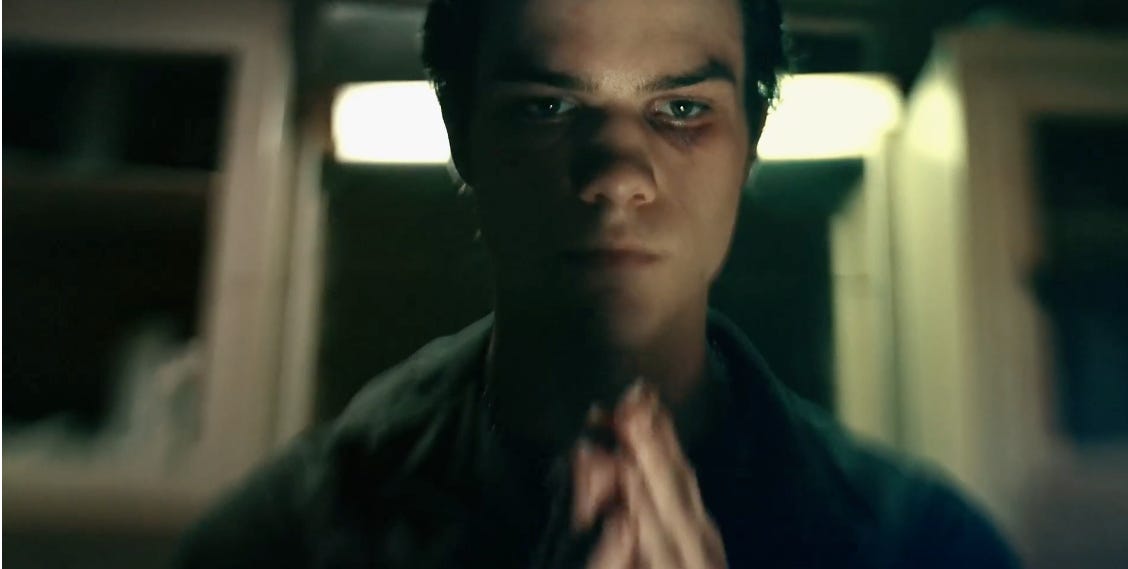
I have a solid classical understanding of composition, whereas McCann has a penchant for off-angle framing, emphasizing textures and layers, perfectly willing to mix up wide and telephoto lenses with static and handheld operating within one scene or sequence.
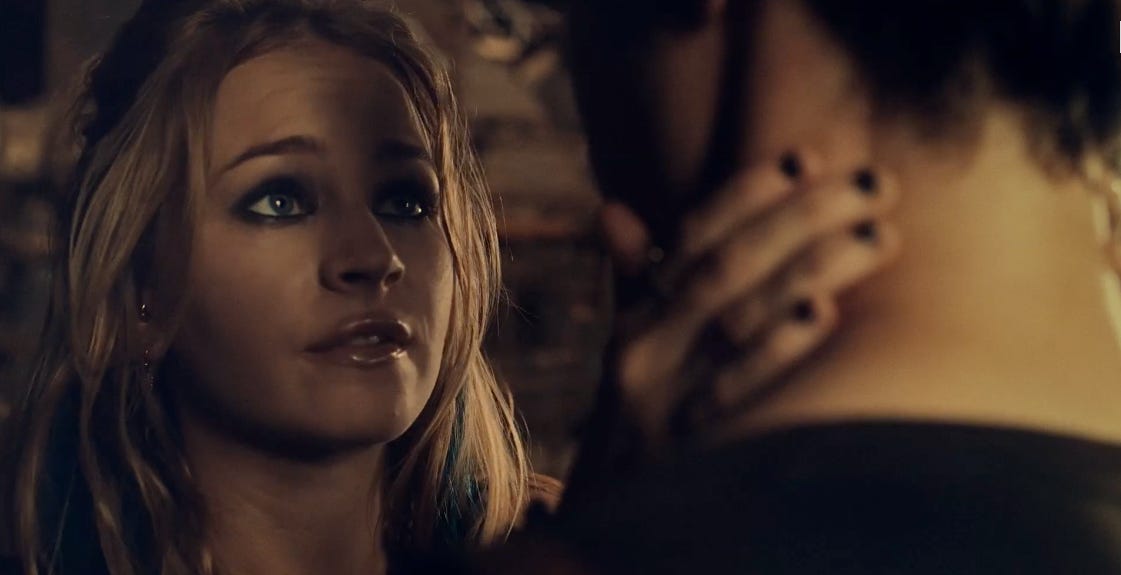
Our two compositional instincts merged on set, as I toned down some of Tim’s wilder shots and he inspired me towards braver framing. Together, we created a visual palette that felt true to the material and authentic to the characters and their rural Louisiana setting.
If you’d like to read Part One of Framing:

About the Author:
Alan McIntyre is a cinematographer, teacher, and filmmaker based in New York City. Recent projects include MOTION (Bella Thorne, Tiffany Haddish, Terry Crews), A VIGILANTE (Olivia Wilde), and NECROPOLIS, which he recently shot in Greece.
He directed the feature film STARGAZER and is currently making his first feature documentary, DINERMAN, with the FilmStack NonDē 50 project.
Look for his filmmaker conversation series, HOW I SHOOT, wherever you get podcasted (Spotify, Apple, YouTube).