

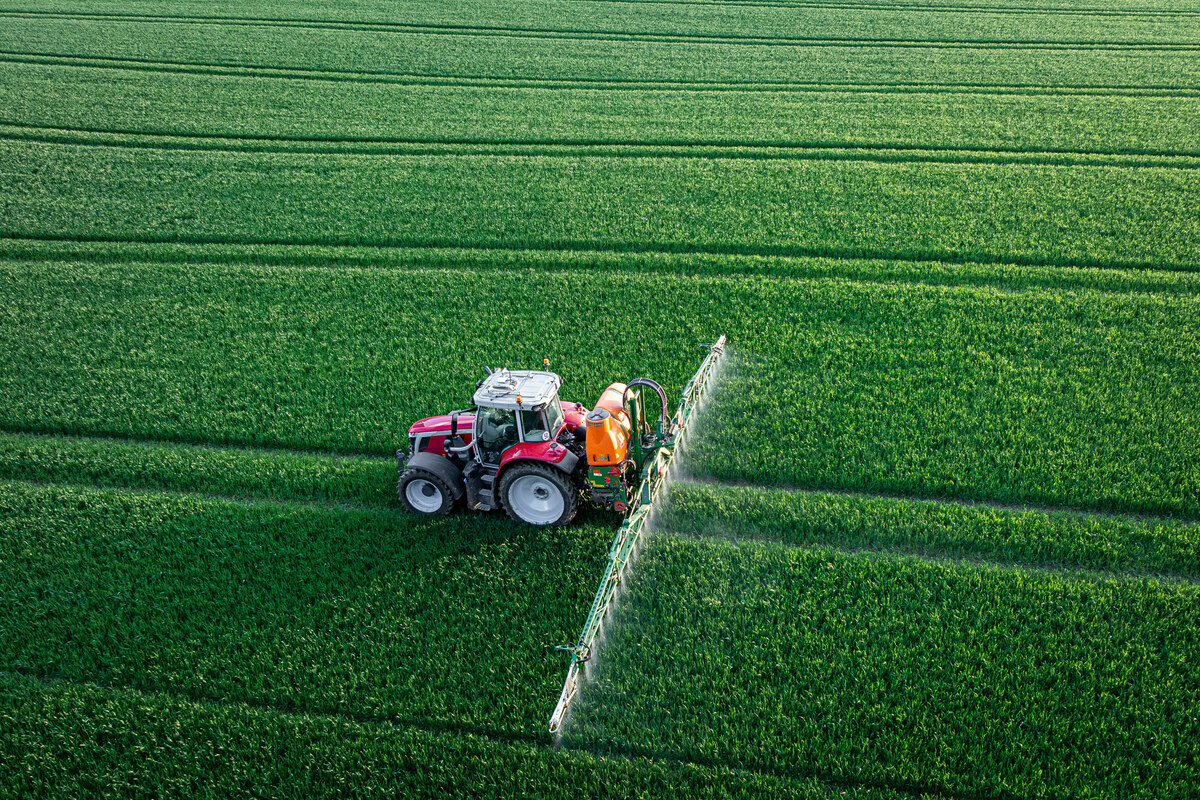
Agricultural companies warn that the active ingredients for pesticides are running out and that food security is threatened. A fact check by BUND now refutes this.
Food security is not threatened by a lack of pesticide ingredients. The Federation for the Environment and Nature Conservation Germany (BUND) announced this in a statement on Thursday published fact check highlighted. There is no shortage of active ingredients, but rather an excess of pesticides and false incentives. The diet can also be improved by consuming less meat, Ökolandbau or secure pesticide alternatives. In doing so, the environmentalists refute claims from the industry.
Approvals in the EU are currently very difficult, said Johann Meierhöfer from the German Farmers’ Association of the taz. “The last new approval of a chemical-synthetic active ingredient dates back to 2019.” Pesticides are criticized for harming the health of consumers and ecosystems.
To check whether there is a shortage of active ingredients for pesticides in Germany, study author Lars Neumeier used various databases, such as the plant protection approvals of the Federal Office of Consumer Protection and Food Safety or the emergency approvals of various countries.
Instead of a shortage, the approved active ingredients in Germany have remained at a constant level over the last 20 years, according to the BUND report. However, the use of pesticides has roughly doubled in 15 years: last year there were almost 30,000 applications. The numbers put into perspective the claims of BASF, Bayer and the agricultural industry association that there is a lack of active ingredients.
EU could deregulate pesticides
The BUND carried out its fact check against the background of one planned legislative package of the EU Commission published. They want to re-regulate food safety and also change the EU pesticide regulations.
The Commission’s proposal could deregulate the use of pesticides. It stipulates that active ingredients should generally be approved for an unlimited period in the future. Currently, the approval of active ingredients expires after 15 years. Particularly risky substances should also be able to receive 5-year approvals if there would otherwise be a risk to the health of the plants or there would be no reasonable alternative to control production.
Together for a free press
As a cooperative, we belong to our readers. And our journalism is not only 100% non-corporate, but also accessible free of charge. We make all articles freely available, without a paywall. Especially in these times, classifications and information must be accessible to everyone. Our readers don’t have to pay anything, but they know that critical, independent journalism doesn’t emerge from nothing. We are very grateful for that. So that we can continue to do our journalism tomorrow, we need more support. Our next goal: 50,000 – and with your participation we can do it. Set an example for the taz and for the future of our journalism. With just 5 euros you are there!
Support now