

taz: Ms. Wunderlich, 2019 was a big turning point in your life. You survived the attempted murder by your ex-partner. The book appears seven years later “Attempted femicide”. What motivated you to write about it?
Henriette Wunderlich: it works about processing for me. I had to realize how my ex-relationship went. In therapy and through further training, I learned a lot about intimate partner violence and that one consequence of experiencing violence is repression. The idea for the book emerged from my notes after the femicide attempt.
taz: So is it a book against personal forgetting?
Wunderlich: Yes, and to raise awareness. “That didn’t really happen.” Or: “We’d rather not talk about the situation anymore.” These are thoughts of repression. It was only when I was writing that I realized: This was violence. It wasn’t just me, but others too. That’s why I want to femicide as the most extreme form of patriarchal violence and perhaps prevent what happened to me from happening to other women. My story is just an example.
Im Interview:
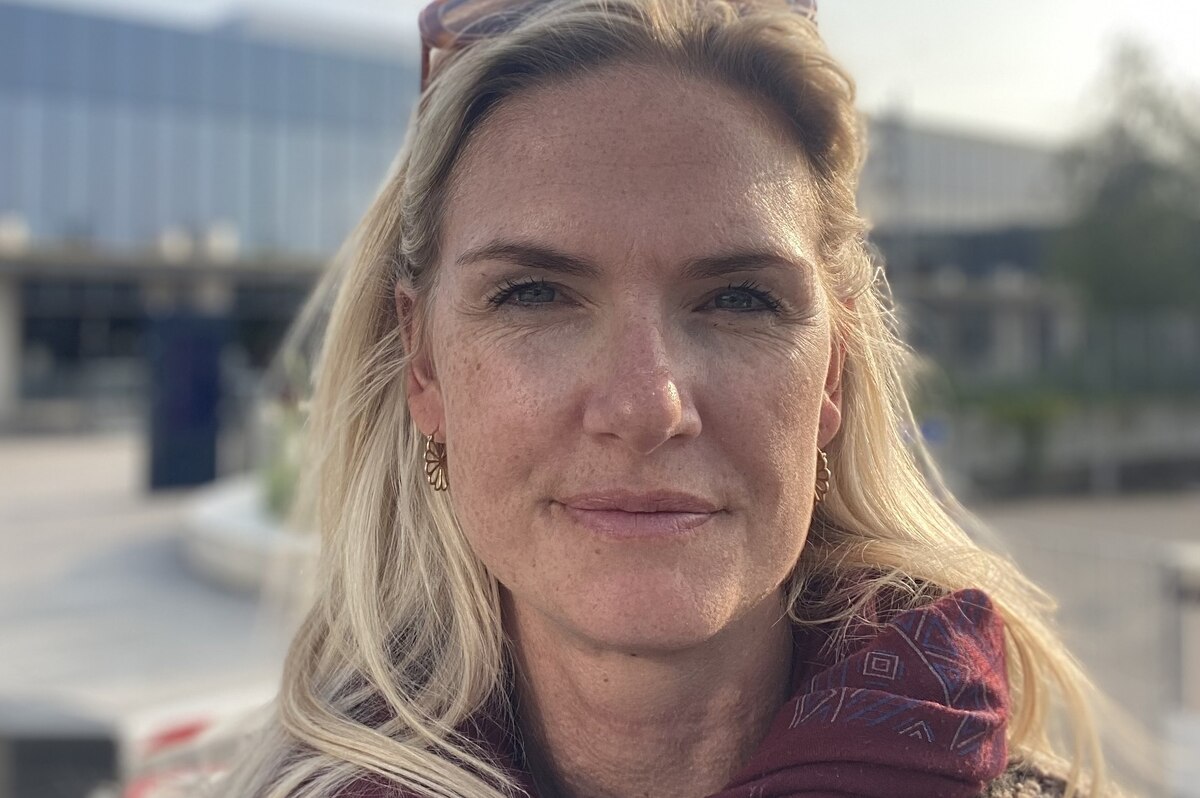
Henriette Wunderlich, 39, is a teacher and lives with her two children in Brandenburg. In 2019, she narrowly survived an attempted murder by her ex-partner.
Henriette Wunderlich: “Attempted femicide. When it’s about power instead of love”. Novum Verlag, 2026.
taz: One reason we can talk today is because of your daughter. Back then, as a 9-year-old, she called 911 during the knife attack. In the book you write that she also became his victim. What does that mean?
Wunderlich: If a father wants to kill his mother, it obviously affects the children. My daughter witnessed the crime and underwent trauma therapy. Whenever the topic of family was discussed at school, I felt a stomach ache. How does she deal with it? Her father tried to contact her once or twice in the first year after the attempted killing. She didn’t want that at all. Now she is older. We talked a lot about the book and I asked her what she thought. I think that strengthens her as a woman: knowing that her mom is fighting.
taz: What encouraged you most in the time after the femicide attempt?
Wunderlich: Definitely family and friends. I was completely in need of care. In addition, there were all the applications and the care of my two children. My son was only one year old at the time. I have many strong women behind me: be it my lawyers, my carer, the occupational therapist. Friendships have developed with everyone. As a teacher, I am also a civil servant and have continued to receive my salary. This is great financial security. What about those who only receive sick pay after six weeks? How is that supposed to work? What support options are there?
taz: You live in a small town in Brandenburg with your family. Women who take a stand against intimate partner violence often face hostility. You have been to events, spoken to school classes and in the media. What feedback was there about this?
Wunderlich: Since I spoke in detail about the femicide attempt for the first time on the “Tabulos” podcast, I have received consistently positive feedback. What was stressful was the media portrayal immediately after the crime and the local rumor mill: “She must have done something for him to do that.” One thing must be clear: This book is not an act of revenge against my ex-partner. He punished himself all alone and is serving his time in prison.
taz: In Germany, femicide is not considered a criminal offense. It is being investigated for other reasons. How did you experience the court case?
Wunderlich: I was very afraid of the day I was supposed to testify. It was up to me. My ex-partner said he couldn’t remember anything. Again, I didn’t know what the defense attorney would ask. You didn’t do anything wrong, but it still feels like you’re in the dock. My therapist prepared me intensively for this
taz: What did the preparation look like?
Wunderlich: I should prepare myself for questions like: Why did you get back together with your partner after the first breakup? These are questions that assign blame and tend to justify perpetrator violence. Luckily, the worst questions didn’t come to court. My ex-partner ended up getting 14 years. Still, I cried a lot. He was socially adjusted, a very nice person and had never been violent before. Of course there is a legal basis for this. Nevertheless, I thought to myself at the time: Did they not listen to me?
taz: Nach dem, vas You have experienced yourself: Are women generally adequately protected and receive enough support in an emergency?
Wunderlich: No. There is a lack of knowledge and attention among the public. An example: A women’s shelter employee and a psychosocial support worker comment on my biography at the points where they recognize violence and share what help is available. I wanted to convey important knowledge to the outside world. I only found out that I would have been entitled to psychosocial support during the court case. I’ve learned a lot and am also much more alert at work.
taz: Clairaudient?
Wunderlich: Exactly. As a teacher, I now also deal with child protection and children who experience intimate partner violence. For example, it turned out that a school child had experienced intimate partner violence and had also experienced violence himself. After the separation, I accompanied the mother to the youth welfare office. I think we actually often have a pretty good feeling for such situations. We have to listen to it.
taz: What is needed to better deal with gender-based violence?
Wunderlich: A different understanding of what counts as violence in relationships is needed: control over finances. Insults. Persuading someone to have an abortion or to get pregnant in a relationship. For example, I didn’t know that this was violence. It would be good if there was a subject in which children learn how to have healthy relationships. This romanticized “You are mine” through music or films is dangerous. So it starts early and continues. My book is therefore not a “women’s book”, but is for everyone, including men.