


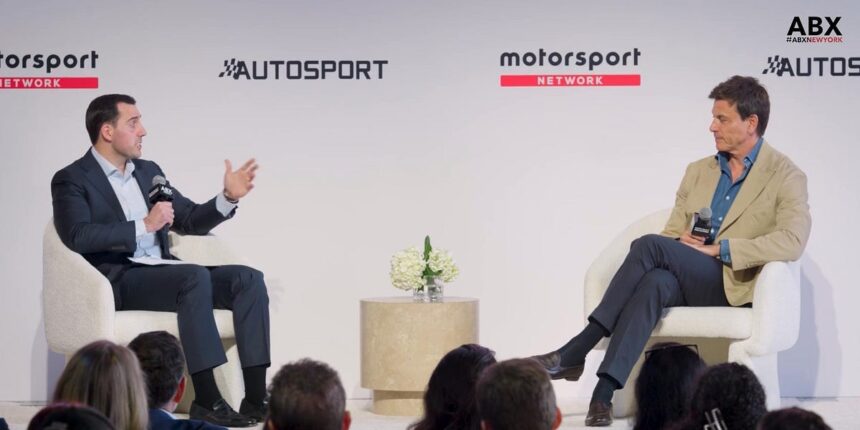
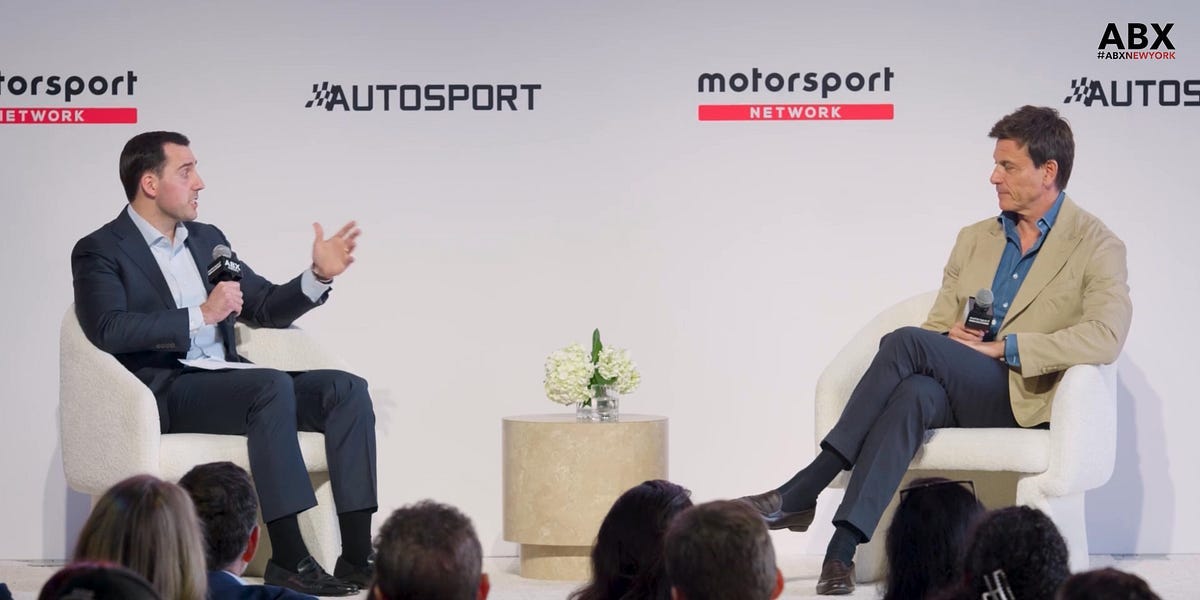
When I was talking to Toto Wolff backstage before our interview in New York City last year, the Mercedes Formula 1 team boss had a quiet confidence that was immediately obvious. We were discussing the 2026 regulations, and while everyone else was still debating which team would build the best engine and the fastest car, it was almost as if Wolff already knew that it would be Mercedes.
Now, roughly halfway through the 2026 Formula 1 season, it’s clear why Wolff was so confident. Mercedes has nailed the regulations, built the quickest car, and is currently dominating the standings, leading both the team and drivers’ championships. As a result, the Mercedes F1 team is on pace to set a third consecutive record for annual revenues and should be at $1 billion or more soon.
We know this is true because UK-based entities are required by law to file annual financial reports. These reports are often 75+ pages long and can sometimes get boring, but if you dig through the details, you can find some gems. I’m talking about everything from the team’s annual revenue and operating profits to total headcount, average employee salary, the share of TV time received each year, and even the $150 million-plus annual dividend that the team’s three owners split.
So after spending the last few days digging into Mercedes’ 2025 annual financial report, I’ve included a list of the ten most interesting things I discovered below.
Here’s what you need to know:
-
The Mercedes F1 team generated $848.5 million in revenue last year, which, for context, would make it one of the highest-earning NFL franchises. But the real story is profitability. Rather than losing tens of millions of dollars each year, like it used to, the Mercedes F1 team brought in $180 million in net profit last year, up from $158 million the year prior. This transformation from a money-losing marketing expense to a profitable sports franchise is almost exclusively due to F1’s implementation of the cost cap. Now that there is a limit on how much teams can spend each year, F1 organizations now operate more like North American sports franchises — there is a fixed supply of teams, costs are controlled, and the parent company hands out such large distributions at the end of each year that nearly every team is now profitable.
-
Toto Wolff was the team’s highest-paid employee last year, taking home £9.53 million. But salary is also only part of Wolff’s annual compensation. As a roughly 33% stake equity owner in the team, Wolff received a third of the team’s £125 million dividend last year. That brings his total 2025 earnings to roughly $65 million, making him the highest-paid non-driver in Formula 1.
Read more