


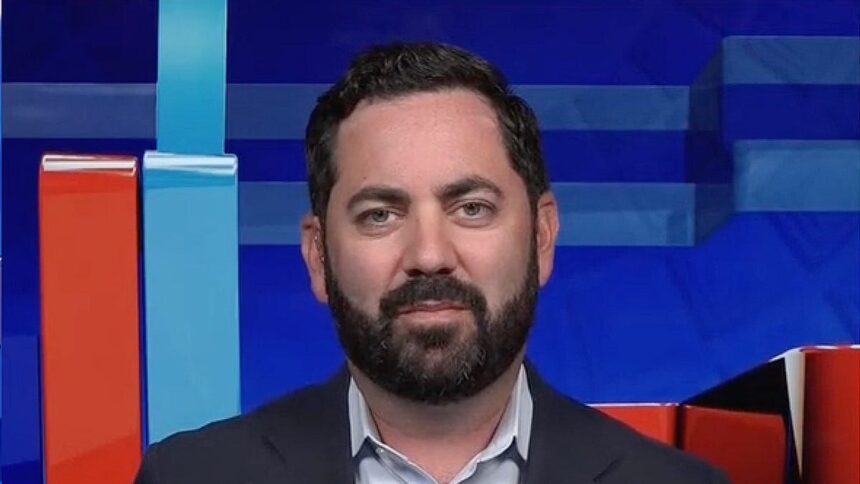
In one of the most reprehensible defenses of disgraced Rep. Max Miller (R-OH), Rep. Mike Lawler (R-NY) had this exchange last week with CNN’s Dana Bash:
BASH: It sounds like you’re saying you’re not going to return Max Miller’s donations because you believe him
LAWLER: Look, this is a private family matter. Max has also made allegations against his ex-wife. Nothing has been corroborated here. Do you have information that proves the allegations?
It is unconscionable, frankly, to refer to substantial, serious allegations of spousal and child abuse made against a sitting congressman as a “private family matter.” Lawler, who has always peddled himself as a moderate while lining up behind MAGA extremist policies, has hit a new low in self-debasement and countenancing the indefensible actions of his party.
While insisting he did not countenance abuse, Lawler falsely asserted that “ultimately there’s been nothing that has been corroborated here.” His ex-wife’s sworn statements, state investigatory materials, and physical evidence of abuse apparently don’t count in Lawler’s book. He might talk to Miller’s former father-in-law, who calls him unfit to serve.
Allegations from Emily Moreno, the senator’s daughter and Miller’s ex-wife, include that Miller held a gun to her head and broke their daughter’s collarbone. Many of the allegations were contained in state investigatory documents related to a child abuse probe. Miller has denied the allegations.
The facts surrounding Miller’s alleged conduct keep getting worse, reinforcing the moral depravity of Lawler and the rest of his party. The Hill reported that his ex-wife sued, alleging Miller “recklessly published and disclosed to the world a nude image” of his child. According to the suit, “Miller ‘recklessly and intentionally’ gave the photo to his lawyer Aaron Minc as part of a tranche of documents and photos ‘to salvage his political job’” and then posts a link to the documents on X “after hosting a livestream defending himself.” The suit alleges Miller will not “provide information about how many times Defendants disclosed and transferred the intimate image to viewers who accessed, viewed or downloaded the intimate image,” and will not “answer questions about who might have accessed, viewed or downloaded the image.”
Any decent human being would recognize, as Moreno did, that after Miller “went out and did what he did — including releasing photos of my granddaughter completely naked … [to] hundreds of thousands of psychotic human beings,” his “oops” reaction is nothing short of grotesque. So, no, this is not a private matter, and, yes, there is ample evidence to support the allegations. Miller is not entitled to the presumption of innocence as he would be in criminal court; all but the most craven MAGA cultists have ample grounds to draw conclusions about his fitness.
Lawler’s opponent, Cait Conley (who served 16 years as an active-duty Army officer, deploying overseas six times to combat zones), reacted to Lawler’s remarks: “Mike Lawler’s refusal to condemn domestic abuser Max Miller and return $17,000 in donations from him is disqualifying.” She added, “Unsurprisingly, his decision comes on the heels of orders from Donald Trump to stand by Miller. It is the absolute bare minimum to call out this despicable behavior, but Mike Lawler’s loyalty to Donald Trump truly knows no bounds.”
Republicans (including Lawler, specifically[!]) screamed bloody murder about abuse allegations (involving adults) that eventually forced Graham Platner from his Maine Senate race. But now they “argue they have no choice but to close ranks.” No choice? Plainly, they lack the capacity for free will, as they habitually kowtow to Trump. Still, “Ohio’s other Republican senator, Jon Husted, has also said Miller should resign and not run for reelection,” so defying Trump is not impossible; it is merely inconvenient.
An overwhelming number of Republicans have no qualms about sticking by Miller and keeping campaign funds from him — or simply keeping mum, since the White House is orchestrating the effort to circle the wagons. Indeed, according to Politico reporting, the White House told Ohio Republicans last week “not to wage a public pressure campaign against embattled GOP Rep. Max Miller, after they became increasingly convinced he wouldn’t end his reelection bid.” So much for Trump’s iron grip on his party. What can he do but back the alleged abuser?!
Miller is not the only scandal-plagued Republican who remains a candidate in good standing in his party, which supports candidates such as Rep. Cory Mills (who faces primary challengers in his Florida race today) and Texas Attorney General Ken Paxton — all backed by a president adjudicated for sexual assault who sits atop the most corrupt administration in history. Every Republican must be pressed to denounce and reject figures like Miller, or accept condemnation for enabling the worst of the worst.
The party line that Miller’s conduct is merely a “private” matter or that there is no evidence to substantiate the serious allegations of abuse is reprehensible but utterly expected. In a party in which no lie is beyond bounds, no deviation from the Trump line is acceptable, and no ounce of human decency can permeate the sealed bubble of MAGA cultism, we now see not only a monstrous double standard (for Democrats, but not for me!) but the evisceration of any shame in public life for desperate Republican politicians like Lawler.
At least voters know exactly whom they would get by returning Lawler and other MAGA zombies to the House — scared, spineless toadies who will say anything and throw any item under the bus to save their own political skins.