

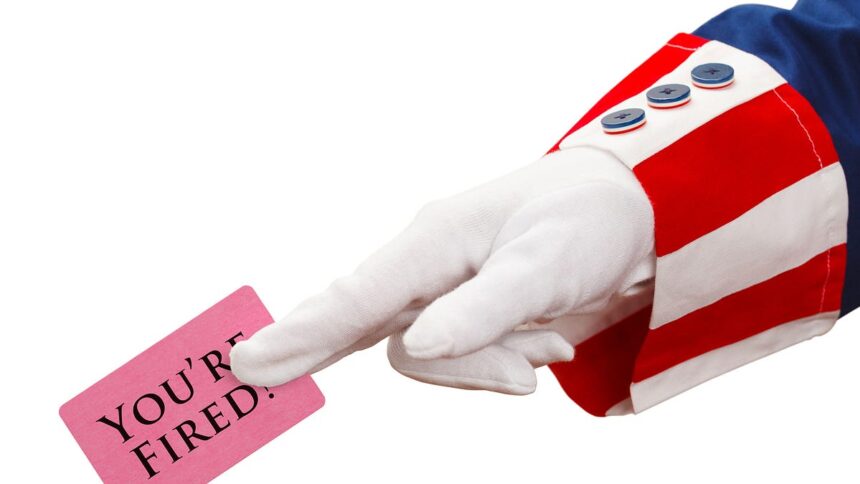
The Trump administration is methodically implementing a series of seemingly obscure regulations and directives regarding the federal workforce with bureaucratic-sounding titles such as Schedule Policy/Career and Suitability Fitness, with many under the guise of dealing with poor performers. But these measures are far from benign, and they certainly aren’t the way to remove employees fairly or responsibly.
Instead, they are part of a far-reaching plan to dismantle the merit-based, nonpartisan civil service system that has long governed the hiring, firing, discipline, and due process protections for the nation’s 2 million civil servants — moves giving the White House extraordinary control over the workforce by making it easy to hire employees based on their politics and to remove anyone viewed as insufficiently loyal.
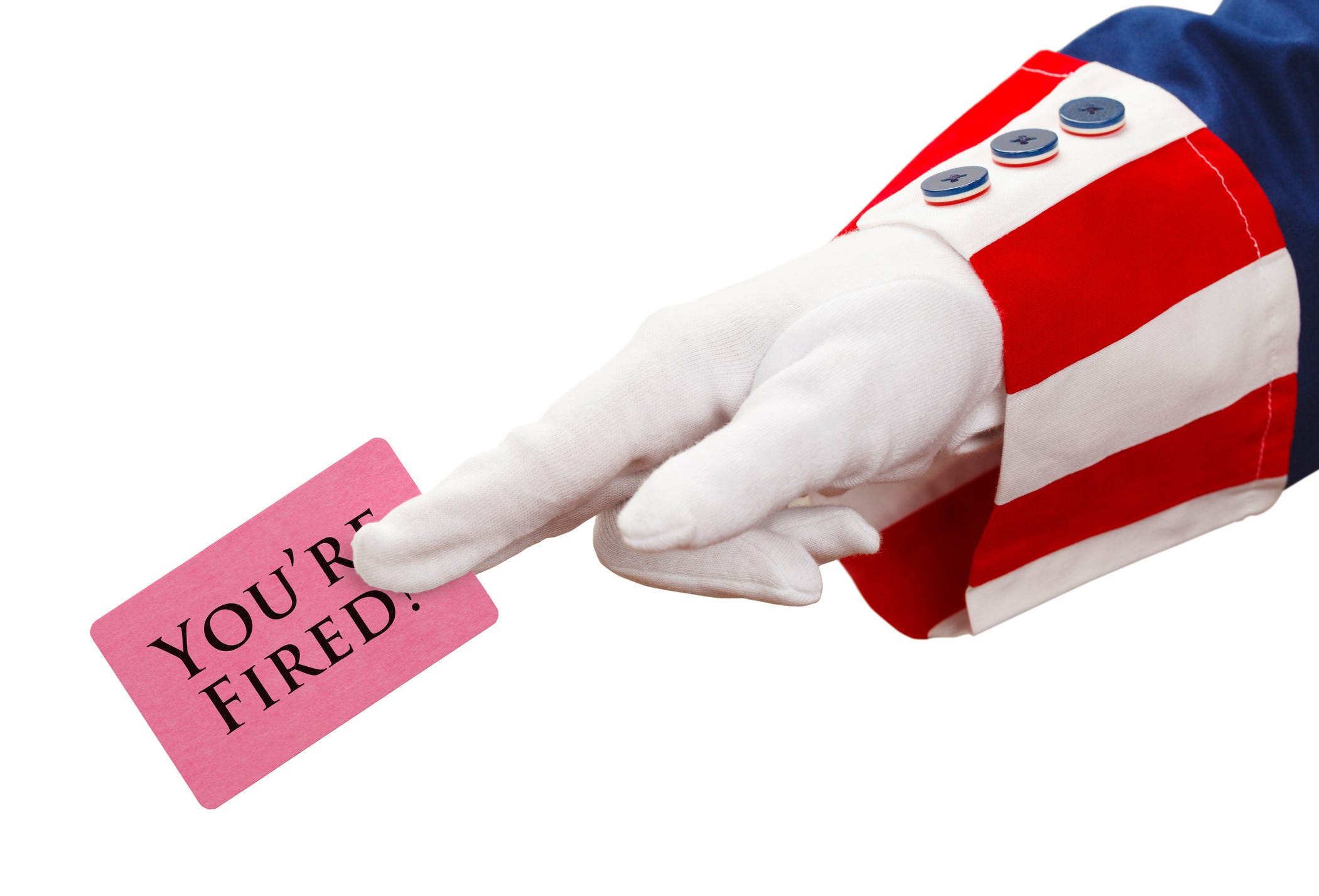
For decades, the civil service has been grounded on the premise that career employees are hired and promoted based on merit and expertise, not political allegiance. They swear an oath to support and defend the Constitution and follow the rule of law, not blindly serve a president or political party, and they cannot be fired for arbitrary or political reasons, including for blowing the whistle on waste, fraud, or abuse.
The administration is unilaterally reversing these principles and eviscerating congressional mandates by moving to politicize the workforce in ways not seen since the days of the corrupt and inefficient spoils system of the 19th century, when political loyalty, not competence, determined who served.
The result will be that federal employees such as national security experts, prosecutors, legal counselors, public health professionals, consumer watchdogs, and those involved in military operations will be less inclined to present inconvenient facts or speak truth to power for fear of retaliation or loss of their jobs. Federal employees also will be less willing to investigate misconduct by the president’s powerful supporters, more inclined to steer contracts toward favored interests, and more susceptible to pressure benefiting those the president favors.
In plain terms, President Donald Trump is turning the federal workforce into an instrument for his own political and private interests, not the public interest, through an extensive series of rules and executive orders.
The administration’s initiatives include:
Schedule Policy/Career, a rule that allows the firing of civil servants working in “policy-influencing” roles without the benefit of long-standing due process protections. The rule is initially being applied to about 8,000 employees in human resources, legal, and finance positions, but the administration is planning to add many more employees to the list. Even 8,000 triples the number of political appointees, whom these people will now resemble, and could place these employees in the difficult position of being fired for speaking truth and following the law.
Suitability Fitness, a rule that gives the Office of Personnel Management wide latitude to determine whether employees — not just job applicants as in the past — are fit for federal service. This could result in the removal of employees without demonstrating misconduct or poor performance, as required by traditional disciplinary procedures and lead to increased politicization of the workforce.
The Nondisclosure Agreement, a proposed policy that would require all federal employees to sign a document barring them from divulging “confidential information,” a term defined so broadly that it will discourage lawful disclosures essential to government accountability. Of particular note, this restriction would apply for five years post-employment.
The Merit Hiring Plan, an executive order that will place all hiring and staffing decisions at the discretion of a board of political appointees instead of career offices.
Schedule G, a new hiring authority allowing agencies across the government to easily hire an unlimited number of political appointees.
These changes are occurring as the career Senior Executive Service has shrunk by nearly 30 percent since the end of 2024, resulting in the smallest number of career senior leaders in the past quarter century while the administration has simultaneously installed nearly 5,000 political appointees to key government leadership positions, a level no other modern president has exceeded.
They also come on the heels of the loss of more than 451,642 federal employees between Jan. 20, 2025, and May 2026 through terminations, incentives to leave government, retirements, and other departures, resulting in an immense drain of talent across the government. Combined with about 179,359 new hires, the Trump administration’s policies led to a net decrease of 272,283 federal employees during this period, and it is now hiring employees under the politicized rules.
There is no doubt that reforms are necessary to make the government more efficient and effective and that agencies need to be able to hire highly qualified people more quickly and fire employees when appropriate. That is not what these rules are enabling. Further, these steps clearly run counter to what Americans want, with recent polling showing that 76 percent of the public believes a nonpartisan civil service is important for having a strong American democracy.
The accumulation of changes is analogous to the ancient punishment of piling stone upon stone on a victim until the individual is crushed, with the administration suffocating the merit-based civil service one rule change at a time.
This abuse of power won’t stop with Trump but will be available to future presidents regardless of party and set off a continuous cycle of employee purges. The result will not be improved government performance, as the administration claims, but diminished public services, weaker oversight, the likelihood of increased corruption, and a less effective and responsive government.
Max Stier is the founding president and CEO of the nonpartisan, nonprofit Partnership for Public Service, an organization focused on building a better government and a stronger democracy.