


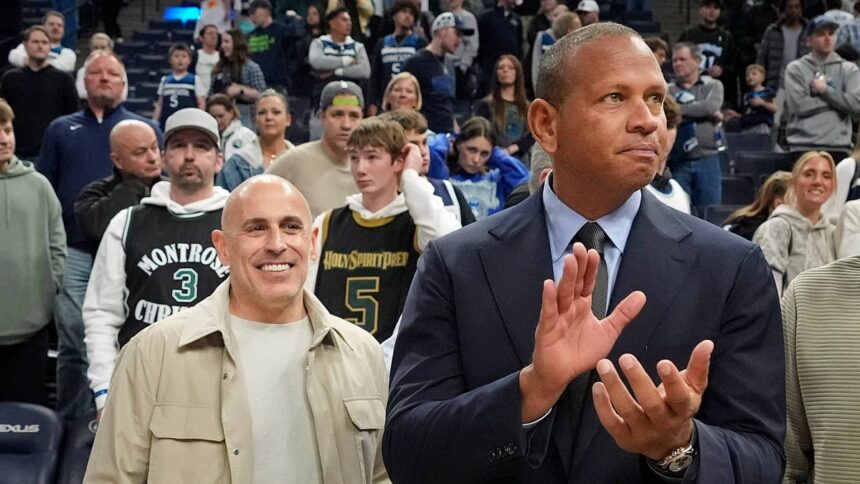
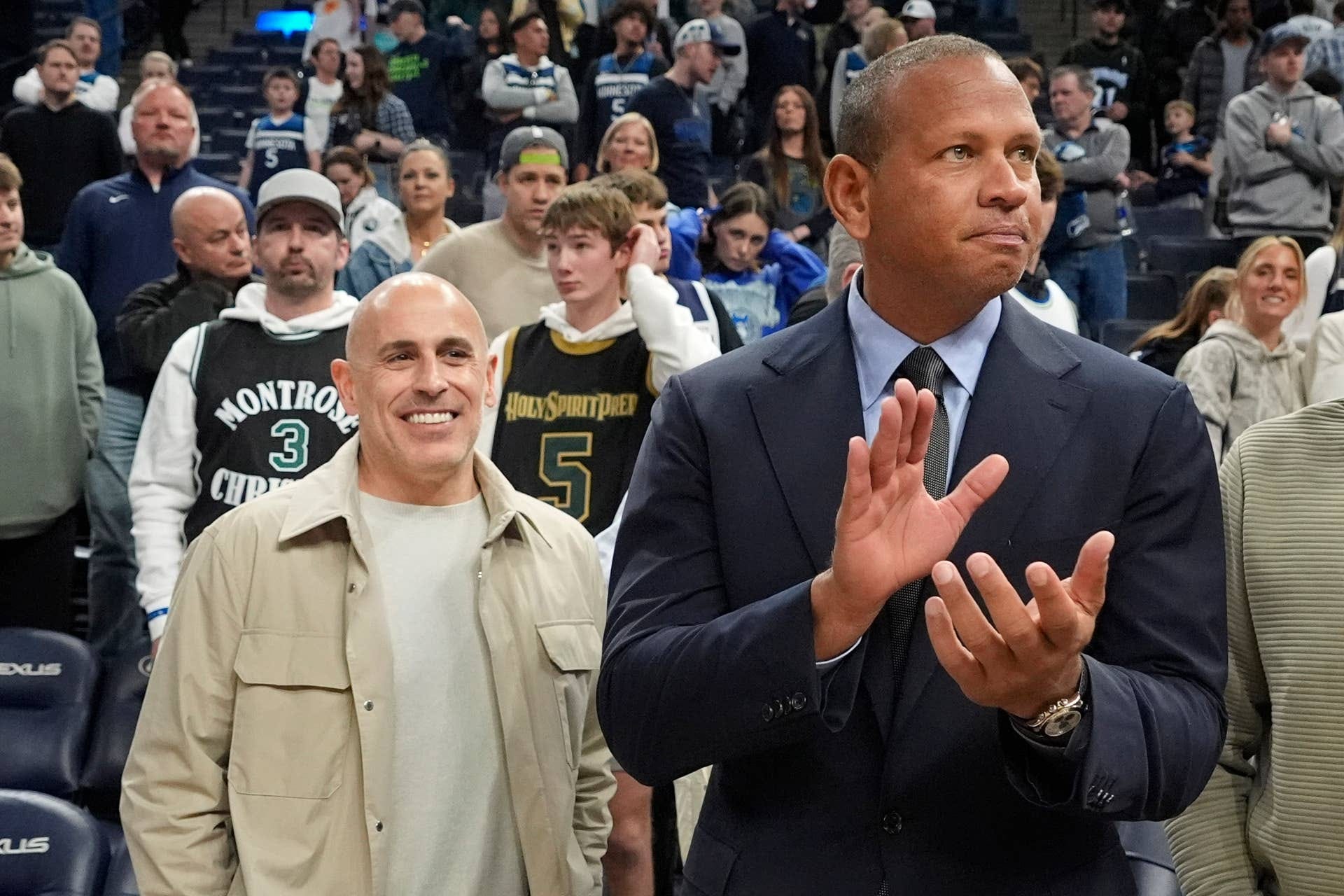
Is the sports bubble about to pop? That’s what everyone seems to be asking — and the numbers are hard to ignore. The Lakers just sold for a record-breaking $12.5 billion, which is 23 times the team’s annual revenue. Marc Lore sold his controlling stake in the Minnesota Timberwolves for $3 billion more than he paid for it just a year after the deal closed, and Sportico says the NFL’s 32 teams are now worth $299 billion, which represents a ridiculous 32% jump in just 12 months.
So how much longer can this go on? Will prices keep going up forever? Or are there already signs of a crash that will flatten prices and weaken the market?
The theory has always been that sports franchises will keep becoming more valuable over time because they have several structural advantages. Engineered scarcity guarantees a fixed supply of franchises. Long, lucrative media contracts produce consistent, durable revenue. Private equity firms and other institutional investors have expanded the buyer pool, thereby increasing demand. Owners also get a ton of value beyond profits — control, status, political access, and adjacent real estate — and the system offers a safety net, with revenue sharing, salary caps, public stadium support, and taxpayer deductions all reducing the financial risk.
That all sounds great. But I also spend a lot of time talking to owners, investors, and executives across sports, and it certainly feels like everyone is a little more cautious about valuations than they used to be. So for today’s newsletter, let’s have some fun. Below is a list of a few credible triggers I came up with that could lower valuations long-term, along with my thoughts on what will actually happen.
Read more