Two months after Social media ban for under 16s begins in Australia The first consequences are becoming apparent. According to the Australian government, the platforms have deleted or deactivated a total of 4.7 million accounts belonging to children or young people.
While the government speaks of a success, civil rights organizations are critical of the ban: “The ban does not solve any of the problems that social media platforms cause, their harmful effects remain,” said Tom Sulston from the Australian NGO Digital Rights Watch at a discussion at the German tech think tank Interface on Wednesday.
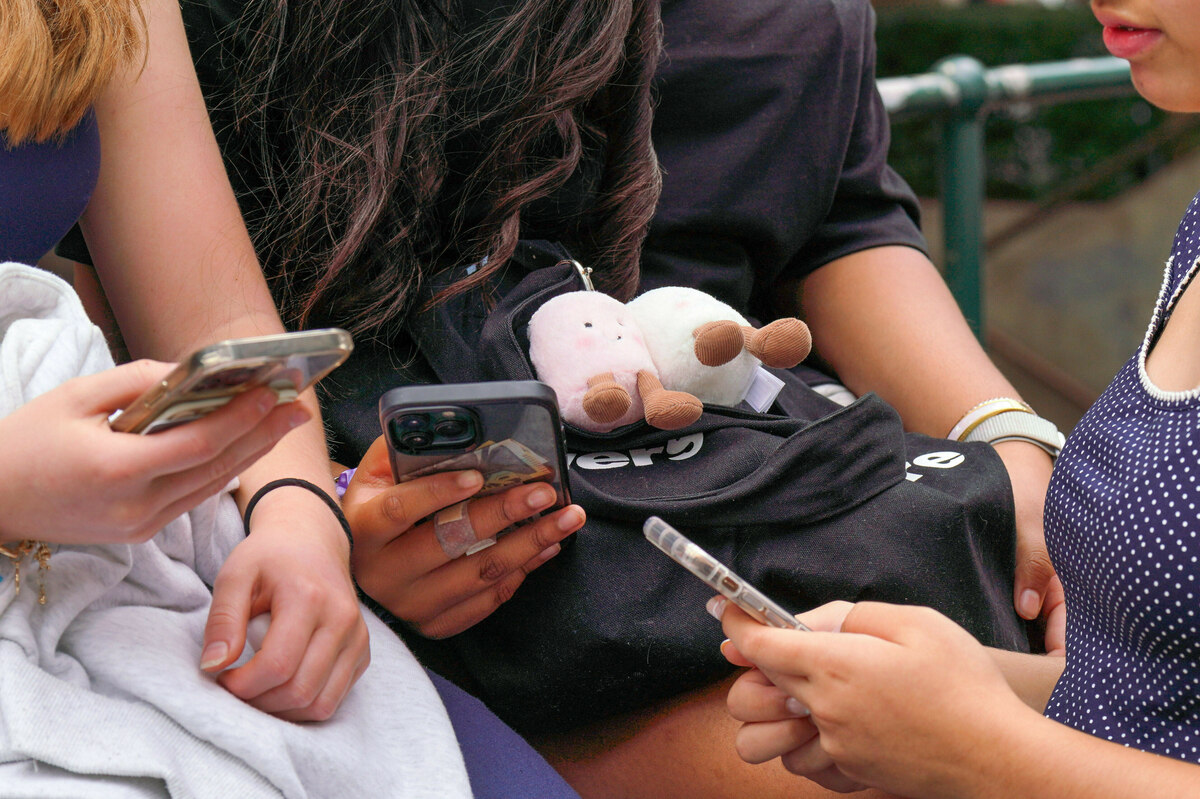
In Australia, people under the age of 16 have no longer been allowed to use certain social media platforms – including Tiktok, Instagram, Snapchat, Facebook and X – since December. The providers have an obligation: They must check whether new and existing users meet the minimum age.
The government initially sees the ban as a success. The children “can build real connections with their siblings and with their parents, they can skateboard, write, read, engage in art and music,” Communications Minister Anika Wells said in January.
1.2 million young people affected
However, there are no figures available on how many social media accounts there were under 16-year-old Australians before the ban. It is therefore unclear what percentage of the 4.7 million deleted or deactivated accounts represent. The government puts the number of Australians between 13 – the usual minimum age set by the platforms themselves – and 16 at 1.2 million. 10 platforms are affected by the regulation.
Civil rights activist Sulston criticizes the fact that children and young people are now being driven into significantly more unregulated platforms. platforms, where hatred and extremism spread unhindered where there is practically no moderation and no contact options for those affected or supervisory authorities. But even if the young people stayed away from these and created an account on Tiktok, Snapchat or
It is possible that the ban will apply to some minors positive for mental health impact. “But it will definitely have a negative impact on others, for example those who live in remote areas and belong to discriminated against groups.” According to Sulston, aid organizations for children and young people report that ten percent of calls come from minors who have been cut off from their network of supporters by the ban.
Where there is a will, there is a way
At the same time, there are increasing reports describing how easy it is to circumvent the age check. Many providers rely on software-based video verification. Frowns, false eyelashes or moustaches, older friends or siblings looking into the camera – and the age limit has already been broken.
The Australian government also admits that providers need to make improvements here. However, e-safety officer Julie Inman Grant emphasized that imperfect implementation does not mean that the rule is pointless: “Otherwise speed limits would be for nothing because people speed, and age limits for alcohol because some children still get it.”
In Germany, the debate about an age limit will gain momentum in the summer: then the one set by the federal government should Expert Commission “Child and Youth Protection in the Digital World” present their results.