

taz: Ms. Islinger, what does the criminalization of abortion mean specifically for those affected?
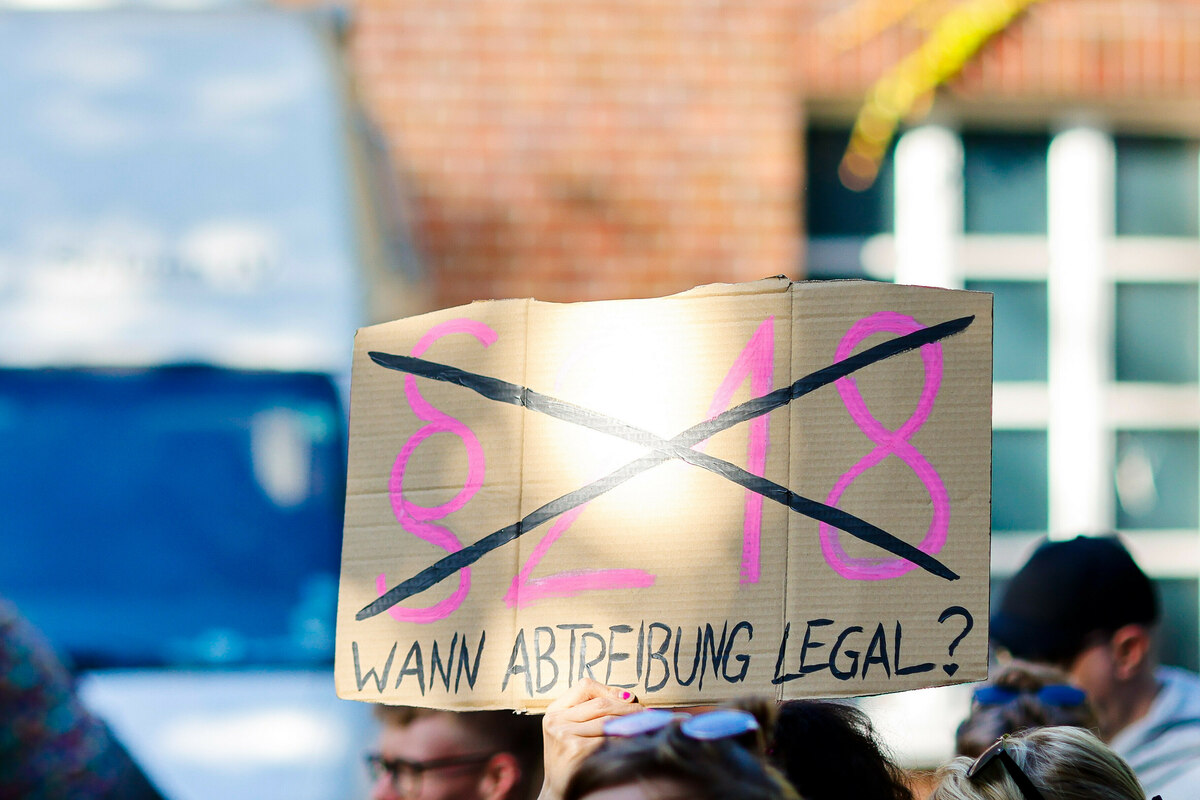
Lara Islinger: Obstacles will be placed in your way. The criminalization of abortion creates structural hurdles and is also one reason why the care situation is so poor. That’s why she has to go. This demand is not as radical as many people think. The complete decriminalization of abortion and the abolition of all access barriers are recommended by the World Health Organization, for example.
taz: What are these structural hurdles?
Islinger: The mandatory consultation, the three-day waiting period, the legally stipulated separation of the person providing the advice and the person performing the abortion, the fact that only doctors are allowed to perform abortions, the costs, the twelve-week period and more.

taz: What would be the case for extending the twelve-week period?
Islinger: Most abortions occur early in pregnancy, but there will always be people who need an abortion later in life. For example, if the pregnancy was discovered late, due to medical complications or tragic reasons such as the death of the partner. As a result, thousands of people have to travel abroad every year. Many people have difficulty getting the money together. Because of such hurdles, abortions are then further delayed. It doesn’t work that way. Abortions must always be possible – as early as possible and as late as necessary.
taz: Why should we have abortions? look at it intersectionally?
Islinger: Because the decision for or against pregnancy is determined by life circumstances. Only when social inequalities have been overcome can the decision for or against pregnancy be truly free.
“Abortion in Germany: Medicine and Society” with Taleo Stüwe from Doctors For Choice Hamburg. Monday, January 26th, 6 p.m., UKE, lecture hall N55 – Martinistrasse 52, Hamburg
taz. To what extent?
Islinger: For example, the greatest risk of poverty in Germany is having children. There are also many factors such as racism or ableism that influence the decision and access. It is important to me to apply the reproductive justice perspective to abortion.
taz: What is it about?
Islinger: The concept of reproductive justice was founded by black American feminists in the 1990s. It means both the right to have children and the right not to have children – and the right to raise children in safe and dignified conditions. When it comes to abortion, this means recognizing how often these decisions are influenced by economic and social pressures, and also advocating for better conditions for those who choose to have children.
taz: Those affected who have experienced an abortion sometimes report traumatic experiences. To what extent do the legal hurdles contribute to this?
Islinger: It is important to say that there is a distorted discussion when it comes to the psychological consequences of abortion. For example, this is “Post Abortion Syndrome” is a persistent myth. Long-term studies show that the most common emotion associated with an abortion, even years later, is relief. However, all sorts of feelings can arise in connection with an abortion. When people report traumatic experiences, it is often due to the stressful circumstances under which the abortion took place: For example, the stigmatization, the forced “thinking period” and other hurdles already mentioned, which mean that the doctor and method cannot be freely chosen.