

dpa | Netflix, Amazon Prime, Disney+ and the major television networks do good business in Germany. Now the providers should be obliged to invest money in European productions in return – ideally in German ones. According to information from the Chancellery, the Union and the SPD agreed on a legal minimum investment quota. At the same time, there should be the opportunity to invest more and to be able to deviate from certain rules.
Why the government thinks this is necessary
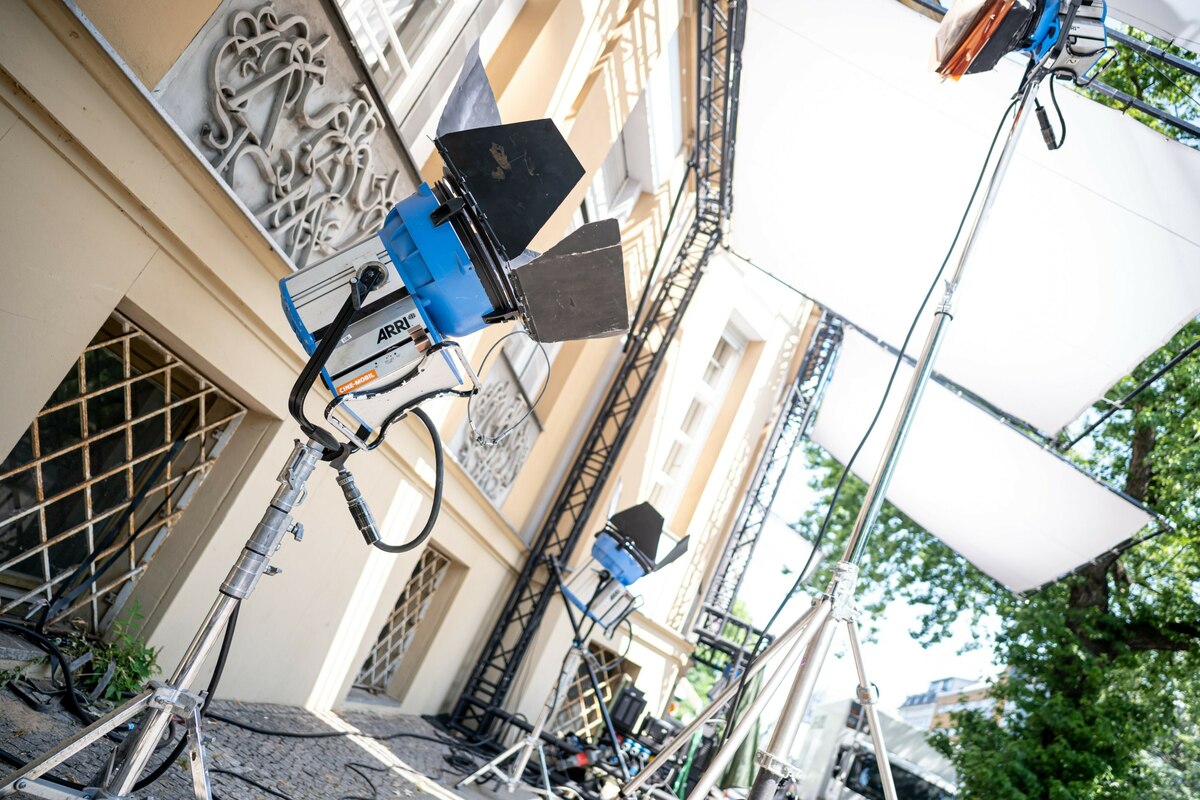
The federal government sees the German film industry in deep crisis. In large studios such as Babelsberg or at Bavaria there has recently been a lack of orders, major films and series have been filmed elsewhere – such as the Netflix film “Nothing New in the West” in the Czech Republic.
In the government’s opinion, state funding alone is not enough to make the German location more attractive. That is why private funds should now be mobilized. In the coalition agreement, the CDU, CSU and SPD resolved: “We want to improve the competitiveness of Germany as a film location through a timely reform of film funding, consisting of a tax incentive system and an investment commitment.”
Which quotas should now apply?
The requirements should affect all major providers on the German market, not just Netflix and other streaming services, but also television channels such as RTL, ProSieben/Sat1 and also the public broadcasters ARD and ZDF.
In the future, you will have to invest at least 8 percent of your annual net sales in European production. In addition, there should be minimum quotas, for example for German-language productions, and specifications for the sharing of rights. Anyone who voluntarily invests 12 percent or more can receive special regulations. Then the providers could, for example, film in Germany, but in English.
In general, for reasons of European law, the federal government cannot prescribe investments exclusively in Germany, but only in Europe. Minister of State for Culture Wolfram Weimer (independent) is nevertheless certain: “This agreement helps Germany as a location.” They secure orders for the German film industry without disproportionately interfering in the business models of streamers and broadcasters.
What this means for viewers
The investment obligation is primarily intended to strengthen the German film industry and secure jobs in studios, technology and creative professions. Weimer sees this as the “foundation for a new boom in film and series production made in Germany”.
However, it is doubtful whether this will change the content offered by streaming services and television channels in this country. The federal government is hoping for good German-language productions and even blockbusters, but these are unlikely to happen automatically.
What there was a dispute about beforehand
In particular the Finance Ministry of Lars Klingbeil (SPD) and Minister of State for Culture Weimer had fought over the specifications for streaming services. Weimer had first announced a commitment in August, but then relied on it being voluntary.
The streaming giants and broadcasters had promised voluntary investments of around 15.5 billion euros in five years, he explained at the turn of the year. Weimer initially rejected a legal obligation to invest because it entailed legal risks and could delay proceedings. In addition, the trade conflict with the USA, home to many streaming services, could worsen.
The compromise now appears to be a comparatively low investment commitment with wide possibilities for special agreements. The Greens in the Bundestag had called for a mandatory quota of 20 percent of local net sales. The Union and the SPD now want to set 8 percent – a value that, according to Weimer, is based on the European average for investment commitments.
What else the federal government is doing for the industry
With the agreement on the investment obligation, an additional 120 million euros will also be released in the federal budget. The funds for economic film funding will increase to 250 million euros per year – not just once, but over the long term. “Film funding is money very well invested in culture in Germany,” emphasized Klingbeil. “We want to further strengthen the great film scene in Germany and create a top location.”
Weimer said: “This is not a symbol, but a real investment impulse: for jobs, added value and creative excellence.” Germany has outstanding talent in script, direction, camera, editing and production. “The conditions are now right to keep these talents here and bring new productions into the country.”
What the industry thinks about it
The production alliance described the agreement as a “breakthrough for the production site”. Association head Michelle Müntefering said: “The German film industry has been waiting for this signal for a long time.” It is particularly important that a path is taken that provides for a clearly regulated retention of rights for producers.
“This creates a stable foundation on which new productions can emerge and long-term prospects can grow,” says Müntefering. The large opening clause with the possibility of further negotiations is a reliable compromise.
The chairman of the cultural committee in the Bundestag, Sven Lehmann, now called on the coalition to act quickly. The decisive factor is the specific design of the law, said the Green politician. “If the law is to be effective, it needs sufficient investment quotas and real commitment.”
For example, the planned investment rate of just eight percent carries the risk that the investment obligation will ultimately remain ineffective. “A legal regulation must not be a fig leaf, but must actually trigger additional investments in Germany as a film location.”