

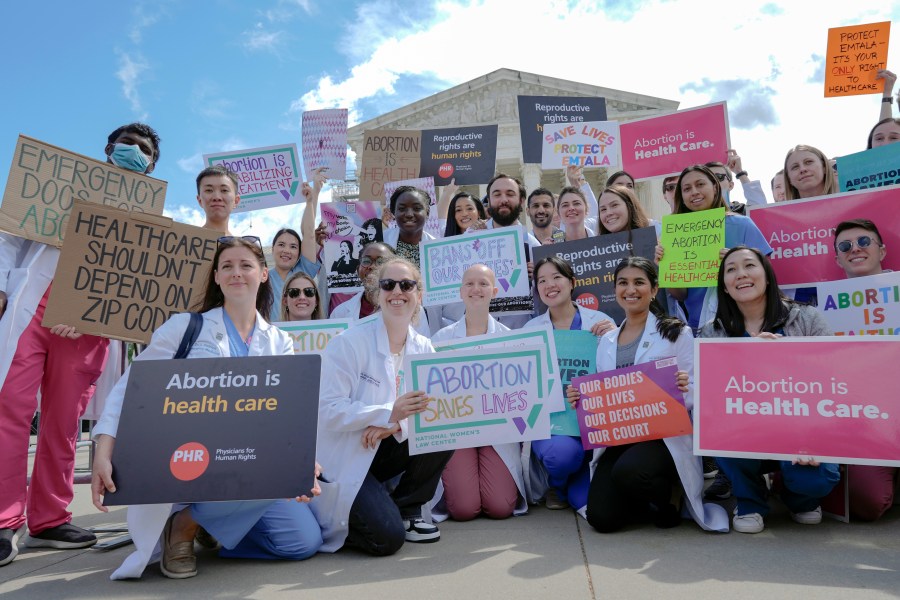
Democratic candidates who centered their campaigns on abortion rights secured major victories in recent congressional and state government elections across the United States. However, political analysts and lawmakers note that these electoral wins are unlikely to translate into immediate or sweeping changes to abortion policies.
The primary barrier to rapid legislative reform stems from the distribution of electoral outcomes. Democrats failed to secure full control of the legislative chambers and governor's offices in states where the most restrictive abortion laws currently remain in effect. Without majorities in those specific statehouses, proponents of reproductive access lack the necessary votes to overturn existing bans and limitations.
The results highlight a disconnect between electoral success for individual candidates and the structural majorities required to alter state statutes. While voters in multiple regions favored candidates supporting abortion rights, the composition of state legislatures in conservative strongholds stays largely unchanged regarding partisan control. As a result, the legal landscape governing reproductive healthcare procedures is projected to experience incremental battles rather than a sudden nationwide shift.