

The “Round Table on Pension Equity” is history again. The association, which was only founded in 2023, was committed to the fight for additional pensions from the GDR, which have been withheld from Eastern pensioners from several professional groups since reunification. At the end of the year the club dissolved due to a lack of success.
For the same reason, after 30 years of membership, the 83-year-old pensioner Rainer Diebler also returned his SPD party register. The former miner in the southern Leipzig area had previously written to the taz: It sounded like a last gasp, representative of many “survivors” from East Germany who now seem to have finally lost the special pension rights they acquired in the GDR.
The problem: In the GDR – as in the Federal Republic – there were several special pension systems that were forgotten or ignored during the accession negotiations in 1990 in the so-called Pension Transfer Act. In addition to miners, those affected include Reichsbahn workers and postal workers, employees in the health and social services, freelance artists, dancers and top academics from the GDR.
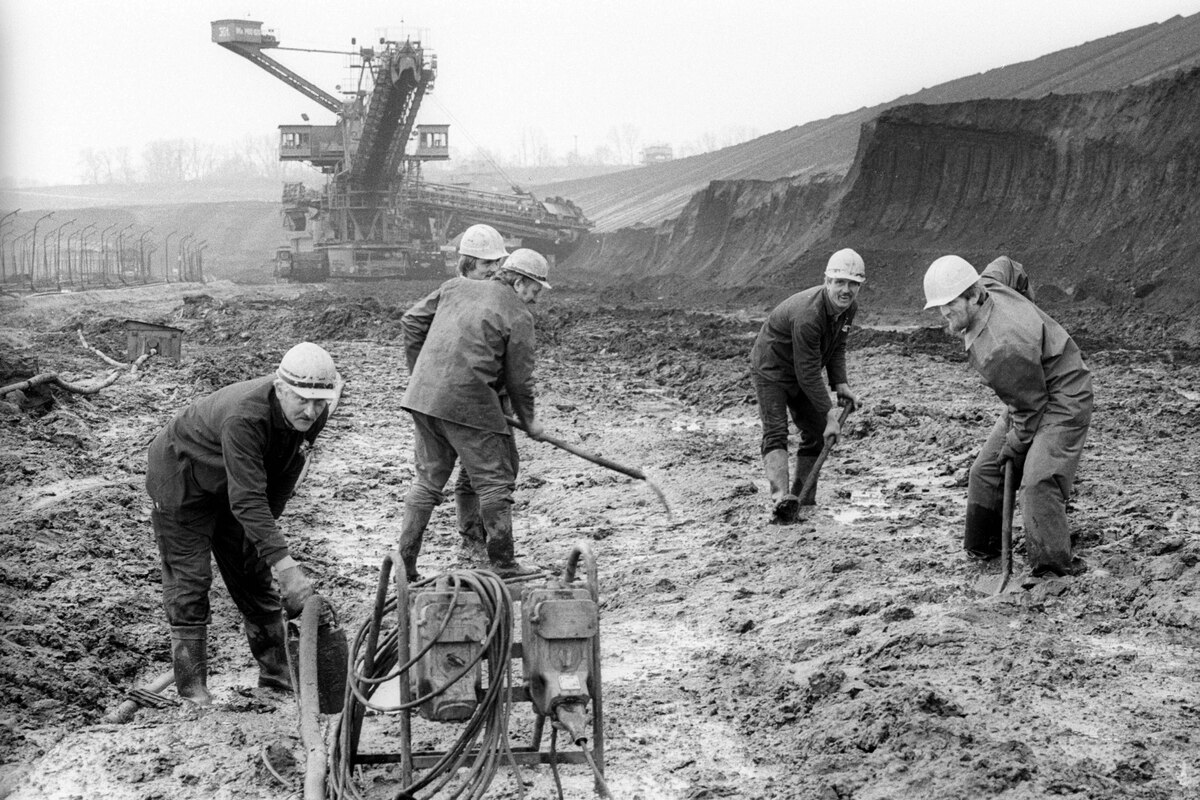
Rainer Diebler, for example, worked in lignite refining. The particularly dirty and health-endangering production of briquettes, coke or wax should be compensated with a pension like that for miners in opencast mines. Alone – Diebler came away empty-handed. For Diebler, like many others, the fight to redeem her additional pension rights has now given way to resignation or sarcasm. Especially since the number of those affected is dwindling due to the “biological solution”.
Divorced women particularly affected
The numerically biggest losers of the Pension Transfer Act represent women divorced under GDR law. In 1990 their number was estimated at 300,000, and around a third are said to still be alive today. They miss out on several hundred euros in retirement benefits every month because their pension was not only calculated based on the last 20 years of work, regardless of the reduction in earning capacity due to periods of child-rearing.
Divorced people in the GDR also miss out on pension equalization by their ex-husbands, which is common in the Federal Republic. The courts decided after attempts to sue that this should not be retroactively blamed on the husbands from the East.
A regulation for women announced in the early 1990s never materialized. “Both the unification agreement and the pension transfer law were passed in contradiction to the requirement of equality and the prohibition of discrimination against women,” said Marion Böker, long-time spokeswoman for the Association of Divorced Women in the GDR2024 at an event. A year earlier, her club had also given up and dissolved.
It has long been history that the SPD discovered this Eastern issue for the federal election campaign in 2017. At that time, your Dortmund party conference included a “justice fund” in its election program, to be endowed with at least one billion euros. In the contract of the following black-red coalition All that remained was a hardship fund.
Two thirds of the applications rejected
Both its low one-time payout amount of 2,500 euros and the eligibility criteria show that it only fulfills a symbolic function. Until the application deadline at the beginning of 2024, practically only seniors with a pension at the basic security level were able to “benefit”. Almost two thirds of the 168,903 applications were rejected from the outset. In Saxony, for example, only 2,988 people benefit, including only three miners.
“We gave up wages, i.e. paid our own contributions, and were expropriated.” Rainer Diebler’s correspondence with social democratic comrades such as the Federal Government’s Eastern Commissioner, Elisabeth Kaiser, or the Saxon Social Affairs Minister Petra Köpping makes bitter reading. “Leave miners out in the cold, what else can you expect from these highly decorated representatives as citizens and miners?” is what Diebler said in his rejection letter on the 35th founding anniversary of the Altenburg SPD district association, which Diebler has since left.
Are the former GDR citizens, some of whom are very old, now, like other disappointed people, drawn to the supposed hope of the AfD? The senior politician of the left-wing faction in the state parliament of Saxony-Anhalt and chairwoman of the state senior representatives, Monika Hohmann, observes occasional pro-AfD statements. But she doesn’t think this is particularly relevant.
In fact, the AfD doesn’t even have a serious pension concept. A taz query to the AfD parliamentary group as to whether frustrated GDR pensioners ever turned to them or whether the party itself took action to promote special pension claims remained unanswered.