

The recent instability surrounding Nvidia leadership has introduced new variables into the ongoing technological competition between the United States and China. Laila Khawaja, the research director at Gavekal Technologies, provides perspective on how the brief dismissal and subsequent restoration of CEO Jensen Huang influences the global semiconductor market and diplomatic relations.
Khawaja, who serves as the head of the financial analytics firm’s technology wing, brings extensive experience in the Chinese corporate sector to the discussion. Based in Miami, she previously spent over a decade at Gavekal Fathom China beginning in 2009. Her background includes academic credentials from Beijing Foreign Studies University and Harvard University, positioning her to analyze the intersection of Western corporate governance and Eastern market reactions.
The Ripple Effects of Leadership Instability
The sudden leadership changes at Nvidia occurred during a period of heightened sensitivity regarding artificial intelligence and high-end chip exports. The saga began when Nvidia shares fell more than 8 per cent in after-hours trading following reports that questioned the stability of the company’s executive structure. This volatility immediately impacted global markets that are increasingly reliant on Nvidia’s hardware for AI development.
According to Khawaja, the whirlwind surrounding Huang’s status serves as a reset point for the rivalry between the two superpowers. The event highlighted the precarious nature of the global supply chain, which remains heavily dependent on a small number of key executives and firms. The internal turmoil at the world’s most valuable chipmaker has forced both Washington and Beijing to reevaluate their strategic dependencies.
Global Strategic Shifts
While the leadership saga unfolded, Huang continued to advocate for a decentralized approach to artificial intelligence infrastructure. This includes his promotion of sovereign AI initiatives in regions such as Kazakhstan, where he has emphasized the importance of nations maintaining their own data and computing power rather than relying solely on external providers. Khawaja notes that this strategy complicates the binary view of the U.S.-China tech war by introducing new regional players into the ecosystem.
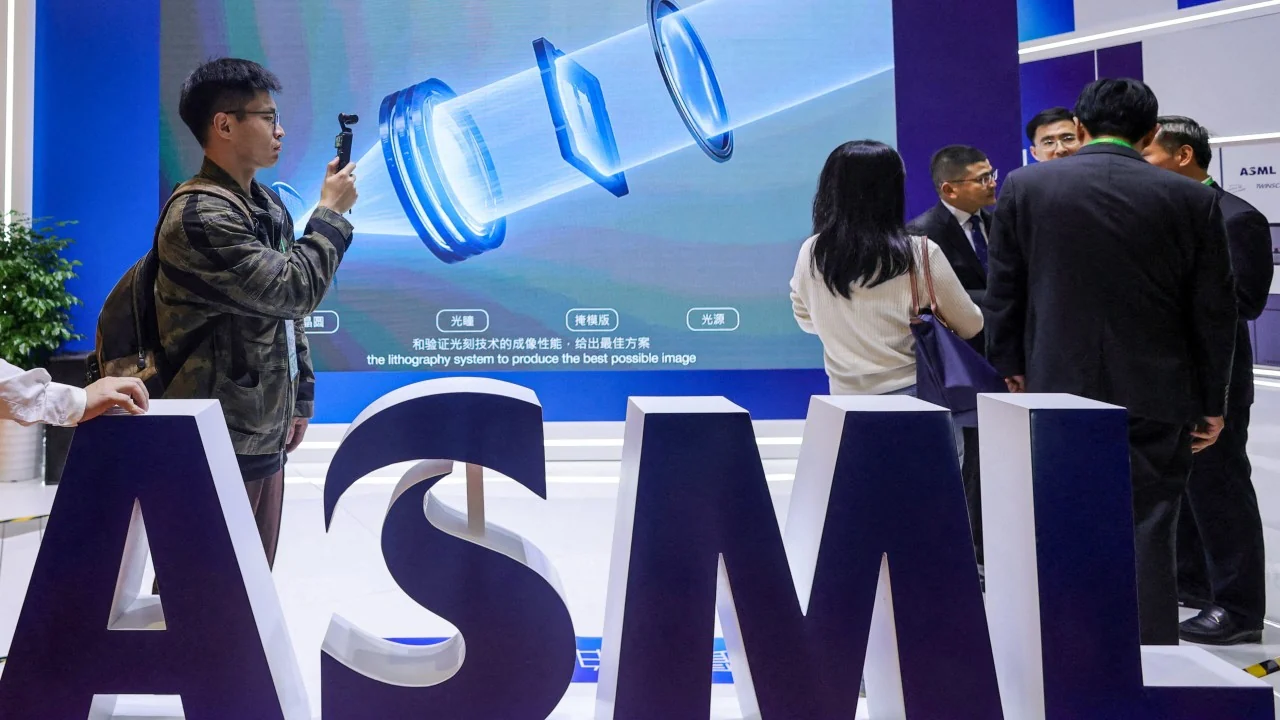
The uncertainty at Nvidia has also provided fuel for broader geopolitical maneuvers. As the U.S. government monitors the situation, it continues to press allies for stricter controls on semiconductor manufacturing equipment. These efforts are particularly evident as Dutch officials engage in high-level talks with China regarding export restrictions on ASML machinery, a move that Washington views as essential to maintaining a technological edge over Beijing.
Implications for the Tech Rivalry
Khawaja argues that the Jensen Huang saga is more than a corporate governance issue; it is a signal of the "web of complexity" that defines modern tech diplomacy. The temporary vacuum at the top of Nvidia raised questions about the continuity of the company’s roadmap, which is central to the national security interests of multiple countries.
For China, the instability in a dominant American firm provides both a challenge and an opportunity. While it disrupts the immediate supply of necessary components, it also reinforces the Chinese government's drive for domestic semiconductor self-sufficiency. Khawaja’s analysis suggests that the restoration of Huang does not return the industry to its previous status quo, but rather initiates a new phase of the rivalry where corporate stability is viewed through a lens of national security.