

Do you remember what you did in the summer of 2003? Researchers have found that the North Atlantic still remembers this year very clearly. There was a particularly strong heat wave at that time. Such extreme weather events are coming as a result of the climate crisis.
A group of scientists has now researched how individual such events change life in the sea so fundamentally that the effects can still be observed in marine habitats decades later.
The Study
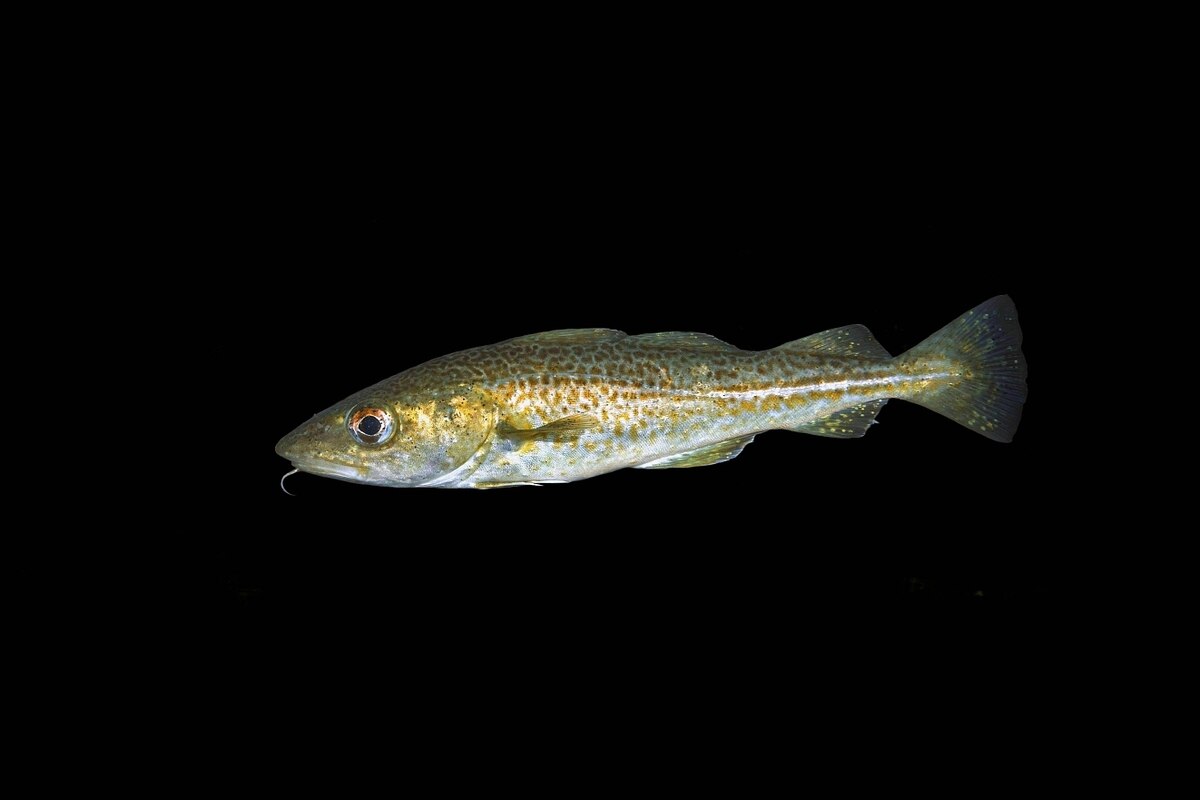
The team at the Thünen Institute for Sea Fisheries in Bremerhaven has published a study on this in the journal Science Advances published. The result: The particularly strong heat wave of 2003 triggered abrupt and far-reaching changes to the ecosystem in the North Atlantic. “The scale is so massive that they continue to have an impact today,” says the lead author of the meta-study, Karl Michael Werner. Fish species such as mackerel and cod migrated north to cooler waters due to the heat wave. Humpback whales are now returning to regions where they have not been seen for over 150 years.
The team attributes these developments to the 2003 heat wave. In order to understand its consequences precisely, the researchers examined over 70 scientific papers on the topic. The Thünen Institute team then derived its own results from the findings of the various works.
In the North Atlantic, the relationships between species and the food cycles were rearranged after the heat wave. Cod and mackerel, for example, can now find food further north, says study author Werner. The silvery shimmering capelin, on the other hand, is now spawning in regions where it thrives less well. It is a central species on which many other sea creatures feed. The researcher says: “The heat waves have destabilized ecosystems and made their processes more unpredictable.”
What’s the point?
The changes in the ecosystem pose challenges for fisheries. Among other things, it becomes more difficult for them to explore fishing grounds. Above all, the study by the Thünen Institute shows how unpredictable the changes caused by man-made climate change are. It sets off chain reactions, the consequences of which even researchers can hardly estimate.
The study also contains a warning. It says: A society can hardly adapt to consequences that are difficult to predict. Therefore, in the climate crisis, the following still applies: Lrather avoid emissions than adapt later.
The return of the humpback whales is cause for celebration. They are now back home off southeast Greenland.