

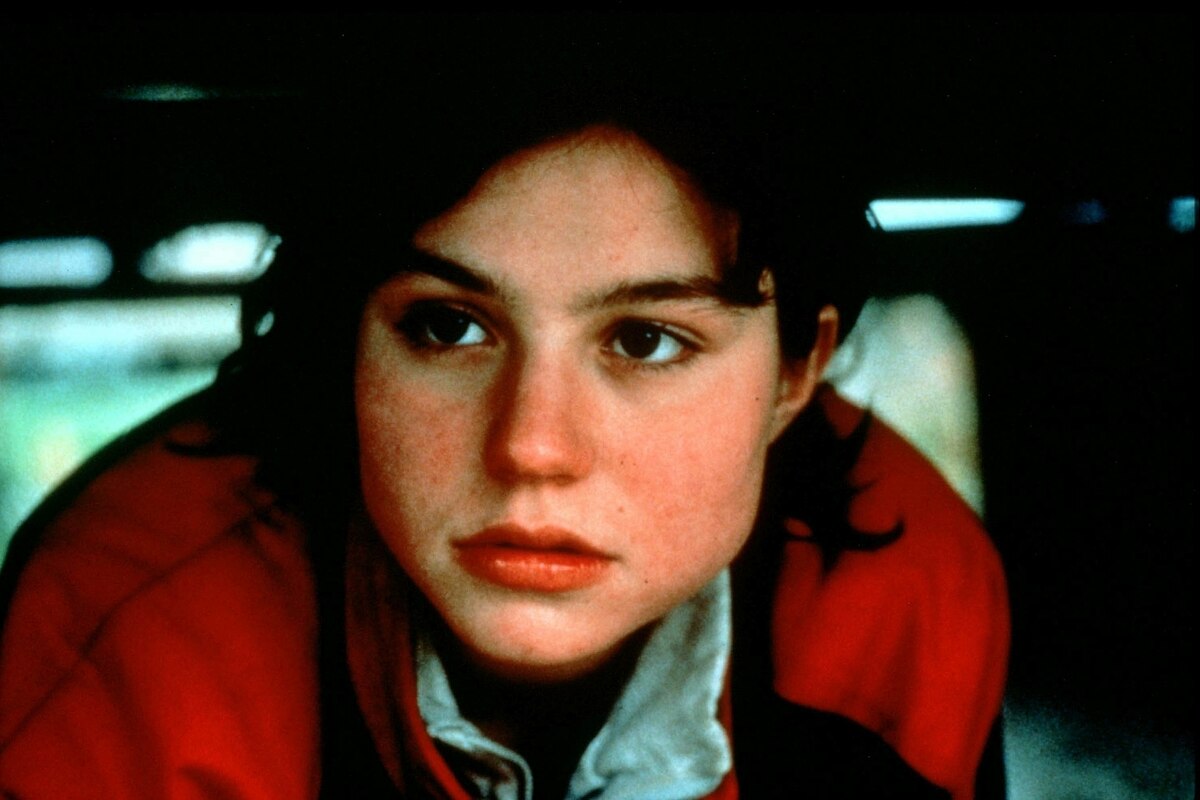
R Osetta is poor. She is 18 and lives in a Belgian trailer park with her mother. When Rosetta has period pain, she warms her abdomen with an old hairdryer that she keeps under the bed. Rosetta is proud. When she realizes that her mother has begged for a fish, she throws it away and catches one herself.
Rosetta is fighting. With her boss, who fires her from her factory job after her probationary period. With an acquaintance who she betrays to his boss in order to get his job at a waffle stand. And with her alcoholic mother.
Rosetta is the main character in the Dardenne brothers’ 1999 film of the same name. The winner of the then Palme d’Or shows the lack of prospects of existential poverty. And the resilience of a young woman who refuses to despair, who rejects pity and charity because she longs for a normal, dignified life.
Films like Rosetta can spark debates about poverty
16.1 percent of the German population is currently at risk of poverty a new report from the Federal Statistical Office shows. Many of them work and, like Rosetta, still remain poor. Not because they don’t fight, but because not every job is equally secure and the living conditions are too precarious.
The conditions under which Rosetta lives are also considered risk factors for poverty in Germany. She is young, female, her mother is a single parent and unemployed, Rosetta has to take care of her because of her addiction. Here poverty becomes entrenched, is no longer a mere danger, but becomes a structure.
A life that you can feel
Merz wants to save money where people already live at the subsistence level or are at least threatened. For example, when he suggests to reduce the housing costs of those entitled to citizens’ benefit. When he makes individuals responsible for their pensions and wants to outsource retirement provision to the private sector. And if he Part-time forbid them who cannot work full-time and then drop out of the world of work entirely.
Films like “Rosetta” manage to trigger debates about poverty and provide political pressure. Because they don’t remain abstract, don’t consist of intangible numbers, but show a real life that you can feel. After the film was released, it was… Belgium the “Rosetta Plan” law passed, the aim of which was to help young people find their way into the job market and obliged companies to employ young people.
Rosetta and those who have to live like them do not demand special treatment, they do not take anything away from you, they are not the enemy that conservatives and liberals want to make of them. Rosetta wants normality and to live like everyone else, without fear of the future.
Before she goes to sleep, she says to herself, as if it were a little prayer:
Your name is Rosetta. My name is Rosetta.
You found a job. I found a job.
You have a boyfriend. I have a friend.
You have a normal life. I have a normal life.
You won’t be left behind. I won’t fall by the wayside.
Good night. Good night.