

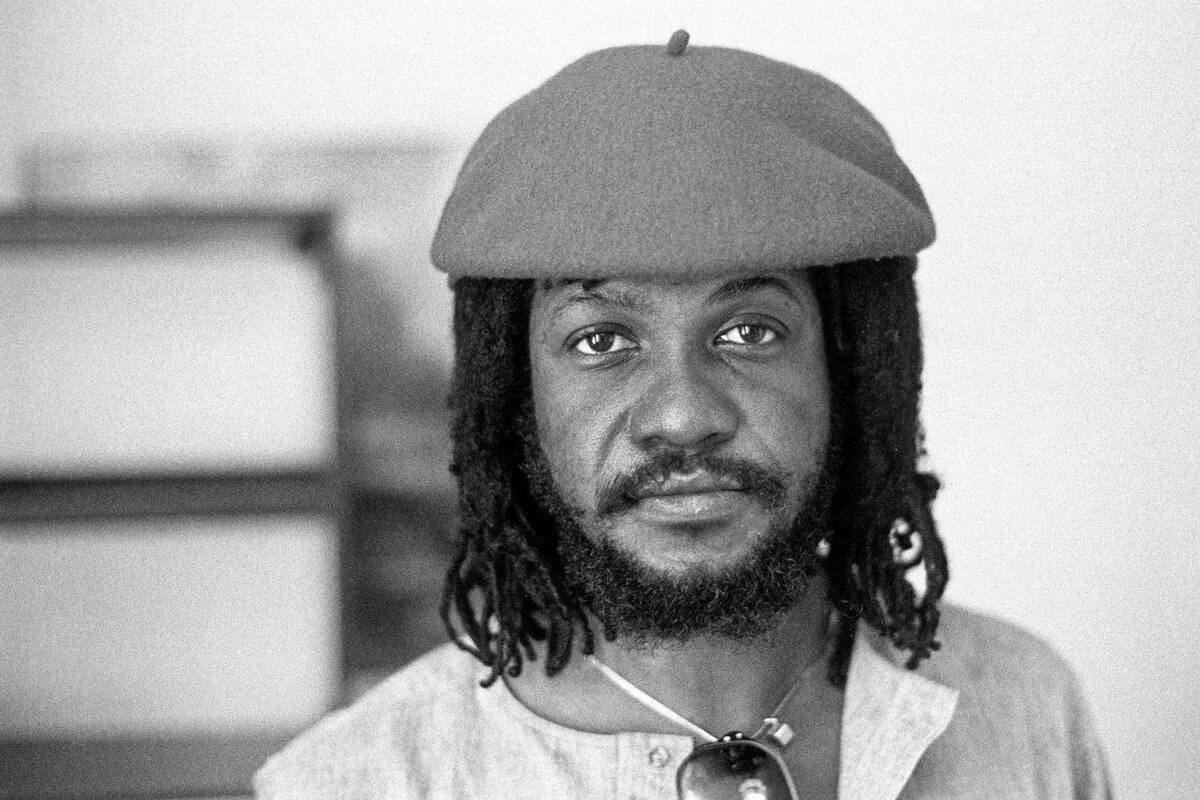
Drums and bass form the foundation of Dub; it is the rhythm section that creates the signature sound, which is then radically experimented with on the mixer and various effects devices. Dub is to reggae as modal jazz is to bebop. “A way to break down the harmonic song structure to make room for freer improvisation.” This is how the US ethnomusicologist Michael E. Veal defines the expanded sound palette of dubreggae.
A central player in this musical turning point that began around 1970 was the Jamaican drummer Lowell “Sly” Dunbar. Born in Kingston in 1952, he played in ska and rock steady bands as a teenager. He developed his sense of rhythm on the radio, where he listened very carefully to the soul songs of Booker T. & the MGs and the studio sound of the US producer team Gamble & Huff called “Phillysoul” and drew his own conclusions from it: “We handled the soul sound freely,” said Sly Dunbar.
Reggaedrums thrive on the delayed bass drum and the snare, which is played at the same time to increase the oomph. Sly Dunbar perfected what he called “double drumming,” keeping the Phillysoul tempo but playing it with double rimshots (hits on the snare’s metal frame). The song “Right Time” by the Mighty Diamonds (1972) highlights his style. Dunbar is the straight-as-an-arrow driver whose funky double drumming softens the knees straight away.
Rested and cool
In the early 1970s, Sly Dunbar founded the band Skin, Flesh & Bones with keyboardist Ansell Collins. At that time, the Kingston studios Channel One and Black Arc and their producers (the brothers Jo Jo and Ernest Hookim and Lee “Scratch” Perry) became aware of the drummer. He soon becomes part of the rotating staff of the changing backing bands that are hired for various singers on record recordings. And that’s how his name appears on songs by Junior Murvin (“Police and Thieves”)Junior Byles (“Fade Away”), or George Faith (“Midnight Hour”). They have long since become classics.
During a session at the Channel One Studio in 1972 he met bassist Robbie Shakespeare. “He was good before, but not cool yet. That only came through Robbie. The vibes from Sly and Robbie were pure madness. The two of them ruled Kingston for years with their bone-dry sound. Everyone copied their style.” Says singer Junior Delgado in the oral history book “Bass Culture” by Lloyd Bradley. The author describes Sly Dunbar as “laid back”, well rested. But alas, he is sitting at the shooting gallery.
While reggae was initially influenced in western pop culture by (more easily marketable) singers such as Bob Marley and Jimmy Cliff, Sly and Robbie were the first musical ambassadors who brought the rhythm concept to bear in other genres outside of Jamaica: Without them, Grace Jones would not have been able to launch her disco diva career from New York in the mid-1970s.
Bob Dylan also played with Sly & Robbie
Who ever closed their hips “Padlock” by Gwen Guthrie knows that it was only through Dub that Disco was able to get to know all the facets of his flamboyant personality. Here too, Sly and Robbie are in charge. From the end of the 1970s onwards, they refined countless (pop) albums as trustworthy studio musicians; they were often hired for sessions at the Compass Studio in Nassau in the Bahamas. Nobel Prize winner Bob Dylan also recorded albums with them.
There is something else that sets Sly and Robbie apart: insight into economic handling. Around 1980, the duo founded their own label, Taxi Records, from then on secured publishing for all songs and also made the transition to the digital age with the studio band Taxi Gang.
Everyone knows the dancehall killer song “Murder She Wrote” by Chaka Demus & Pliers: the irresistible beat comes from Sly Dunbar, and he could also program the drums. He died in Jamaica on Monday at the age of 73. His beat keeps going.