

A new study uses a uterus model to show how embryos implant in the uterus – and why this can go wrong.
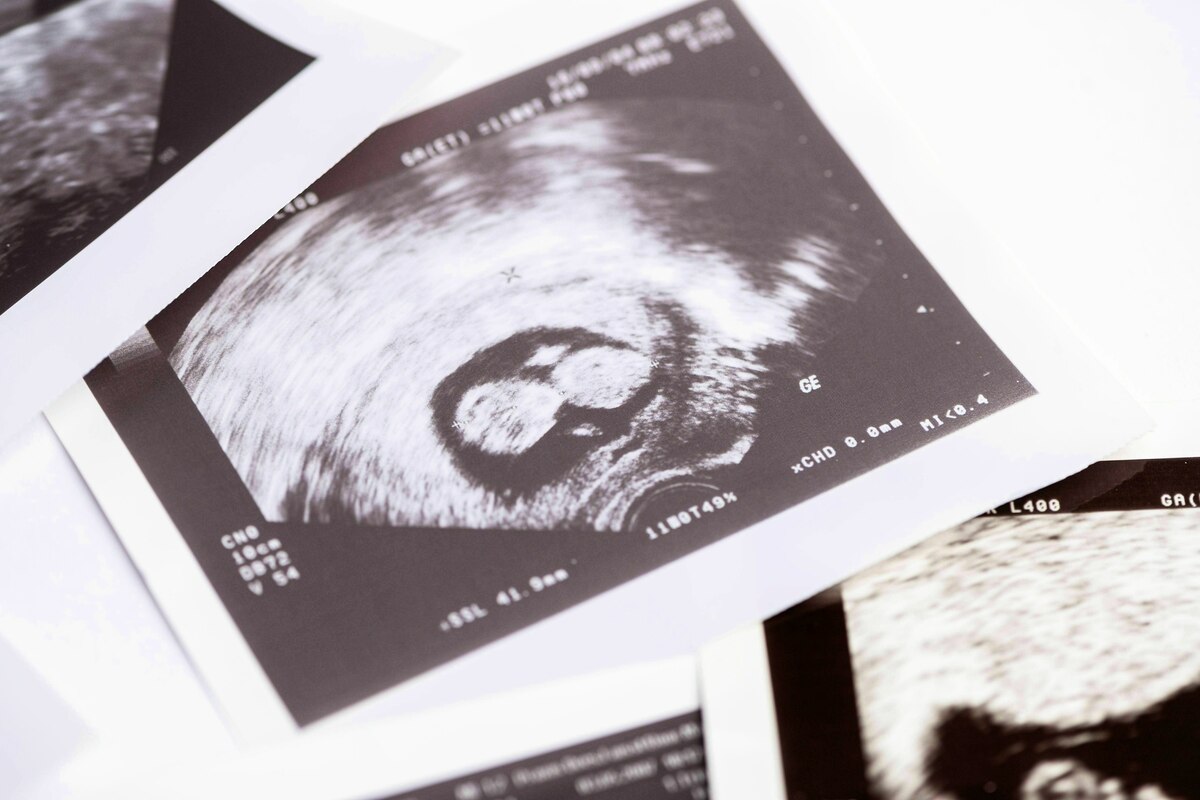
What happens in the earliest stages of pregnancy? It is clear that the embryo has to implant in the uterus a week after fertilization in order for a pregnancy to occur. Problems at this stage can lead to miscarriages and pregnancy complications. How exactly this process What happens in humans was hardly known until now. For example, researchers do not yet know why only a third of naturally created human embryos manage to implant in the uterus.
The Study
Three research teams, two Chinese and an international one from Europe and the USAhas succeeded in developing realistic uterus models in the laboratory for the first time that model this early phase of pregnancy. The studies appeared in specialist magazines at the beginning of January Cell and Cell Stem Cell. In all three studies, the embryos, which were approximately one week old, managed to connect with an artificial uterus. The embryos were donated through artificial insemination. In fact, in all three models, the embryo continued to develop to a phase in which the researchers were able to observe precursor structures for the placenta and fetus. Due to legal requirements, all experiments were ended no later than the 14th day after fertilization.
All uterus models follow a similar structure: the researchers built a kind of sandwich over two layers of gel. To do this, they isolated two types of cells from removed uterine tissue: the so-called stromal cells, which give organs their structure, in a gel and, above them, the cells of the uterine lining. It is the first to interact with the embryo and contributes significantly to its implantation.
What’s the point?
The new models are a milestone in research and promise to better understand miscarriages and complications in early pregnancy. One team investigated the blockage of an important signaling pathway between the uterine lining and the embryo, which led to severe damage to the tissue that later forms the placenta.

You are reading a text from our future department. If you want more positive perspectives, Subscribe to TEAM FUTUREthe constructive newsletter on climate, knowledge, utopias. Every Thursday you will receive an email from us with strong thoughts for you and the planet.
Another Team examined models that are based on uterine samples from patients who have already had one on several occasions artificial insemination failed. They were able to determine how the embryos formed only loose or no bonds to the artificial uterine lining. They used the model to test the effect of hundreds of drugs approved in the USA, some of which were able to increase the implantation rate. Start-ups like Simbryo Technologies in Houston are also interested in such models. In the future, patients will be able to use them to determine their individual probability of implantation artificially fertilized embryos experience.
Together for a free press
As a cooperative, we belong to our readers. And our journalism is not only 100% non-corporate, but also accessible free of charge. We make all articles freely available, without a paywall. Especially in these times, classifications and information must be accessible to everyone. Our readers don’t have to pay anything, but they know that critical, independent journalism doesn’t emerge from nothing. We are very grateful for that. So that we can continue to do our journalism tomorrow, we need more support. Our next goal: 50,000 – and with your participation we can do it. Set an example for the taz and for the future of our journalism. With just 5 euros you are there!
Support now