

D he search for happiness is omnipresent. Happiness researcher Arthur C. Brooks gives tips for a happier life in an online column. In the Arte program “Unhappy”, the author Ronja von Rönne deals with different aspects of the happiness. And this morning, as soon as I turned on the radio, I found out how I can take a “break from the sense of duty” and get on the “track of joy”.
Phew! Honestly, the ever-present search for happiness gives me exactly that: a sense of duty. Because maybe I don’t want to find happiness at all: I find and feel okay.

This text comes from the weekday. Our weekly newspaper from the left! Every week, wochentaz is about the world as it is – and as it could be. A left-wing weekly newspaper with a voice, attitude and the special taz view of the world. New every Saturday at the kiosk and of course by subscription.
The word “okay”, or ok, Ok, ok, OK, comes from American and is translated in German as “in order” or “agreed”. Admittedly, it may not be the most exciting of feelings. But I think mediocrity has an unfairly bad reputation. It may seem a bit boring, but it conveys consistency and reliability.
A good picture of this is my visit to the supermarket. Because of my height, I’m closer to the lower shelves than to the upper ones with the luxury products. My eyes still reach the so-called “golden zone” in which supermarket operators have placed solid branded products. But sometimes, because of offers, the deluxe products have slipped down and are therefore within reach. Does that make me feel happy?
As someone who never tires of entertaining unhappy thoughts, I see being okay as a grateful good
Of course, because after all I have nothing against happiness. As someone who never tires of harboring unhappy thoughts, even involuntarily, I see being okay as a grateful good. To stick with the supermarket shelf image, I’m in the bottom middle, but sometimes something exquisite happens. If I had luck around me all the time, I would probably not fully appreciate it and would quickly expect more.
The luck In capitalism, however, not only is joyful well-being, but also with Progresssuccess and recognition are synonymous. By this standard, I made it from the bottom (classic-racist experiences can be inserted here) to the top (a college degree). But then I stopped wanting to achieve more. No master’s degree, no internship, no stays abroad.
I’m still doing the work I started when I was a student. And a few other things too. I like my work, it’s okay. Sometimes it’s just my livelihood, sometimes it’s the Breton butter on top. But most importantly, it allows me the great luxury of not having to work full time. I don’t want or need anything more.
Is it okay to settle for that? I ask a search engine. She recommends that I start researching the cause of my frugality. According to the search results, my symptoms are considered listless. Okay, maybe “okay” isn’t so okay after all.
A different result, however, is quoted by the popular podcast psychologist Stefanie Stahl, who believes that “okay” is something positive and means self-acceptance. And that’s how I see it too. For me it means satisfaction. I no longer want to constantly fix my feelings and my life.
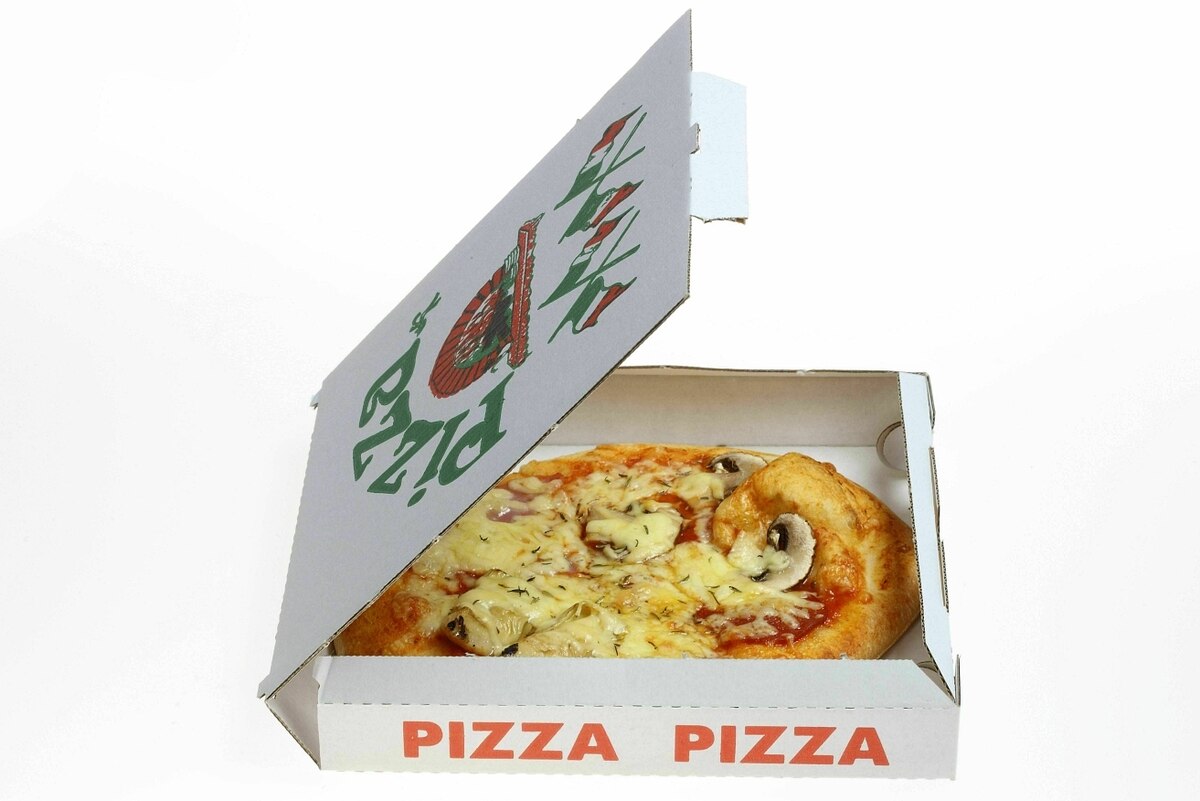
After a long day of working on bikes with friends, we grab a pizza from next door for convenience. While some people don’t like it, an acquaintance says dryly: “It does what it’s supposed to.” And that’s totally okay, right?