
There’s no reason to panic: The Snapchat dog filter isn’t making a lasting comeback. And yet he’s reappearing everywhere. Why is everyone suddenly posting a picture from 2016? Gen Z and Millennials in particular share insights into their lives as teenagers or young adults on social media: chubby, toned, seemingly carefree. Images from a time when everything was simpler – at least from today’s perspective.
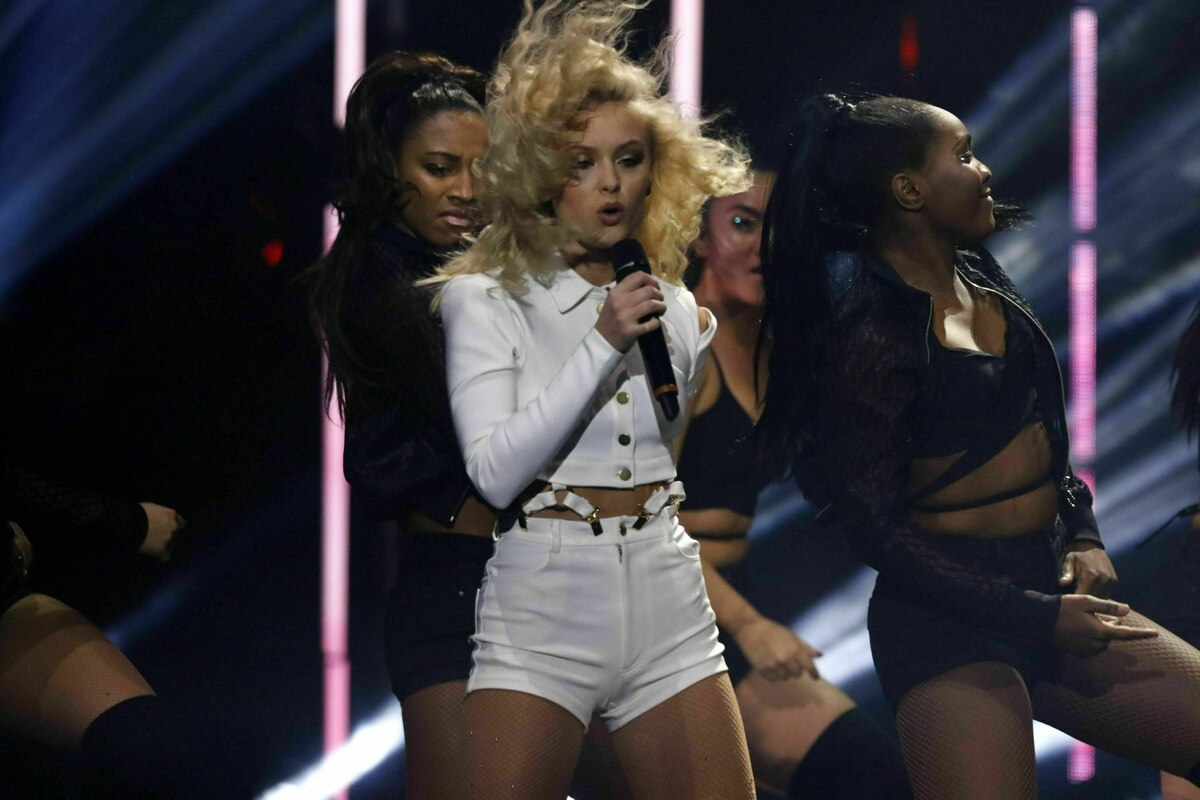
The wave of nostalgia is said to have been indirectly triggered by the Swedish singer Zara Larsson. In 2016 she scored an international hit with “Lush Life”. Old songs going viral on Tiktok is nothing new. But this soundtrack of “lush life” (as the title translates) has taken on a life of its own, and suddenly everything is back: old Snapchat and Instagram filters, which from today’s perspective are almost cute compared to the possibilities of AI. Plus camouflage pants, choker, skinny jeans and strong contouring, a make-up trend from Kim Kardashian’s primetime.
On Instagram alone there are over 37.9 million posts under the hashtag #2016. This year was by no means all easy and carefree. It is not without reason that the counter-trend #Fuck2016 exists, which sheds light on the dark sides of the year: Brexitthe first Trump administration, the Death of icons like David Bowie and George Michael, outbreaks of the Zika virus and terrorist attacks, such as in Nice when a truck plowed into a crowd. Just a few months later, a similar scenario repeated itself Berlin Breitscheidplatz.
More tempting than looking into the future
And if you scroll through the throwbacks long enough, you will also come across less rosy individual memories: eating disorders, massive insecurity, the feeling of not yet knowing who you are or what you want. Many were willing to bend over backwards to please. But who exactly? A lack of affection and a lack of a sense of belonging were part of everyday life for many teenagers back then. And from trends like Body Positivityself-care or even psychotherapy hadn’t been heard of much back then.
However, the trend focuses less on personal crises than on pop culture and the feeling that life was somehow easier and fun through it all, even though bad things happened and the geopolitically stable conditions with which many Western millennials grew up were already beginning to crumble.
Looking back is certainly not always pleasant. But at least currently it still seems more tempting than looking into the future. Or is everyone looking to 2016, precisely because the world seemed gloomy a decade ago and, given the bumpy start to 2026, people want to copy a few coping strategies from before? Possible.