

When I launched this newsletter, one of my initial articles was all about the great wave of new artists:
It is kind of interesting to me that I have not felt compelled to repeat this topic for another article until now. Does that mean that 2023, 2024, and 2025 were not great years for first features? Did they suck? I might have to dive into those years again for a proper consideration. But for now, a lot of 2026-released films are swimming around in my mind and I want to get them down and out for you, particularly since earlier this week I dumped that list of some of the great first features of days gone by.
In full disclosure, I saw even more first features this year than usual and that may have something to do with 2026’ high score. I had the profound pleasure of being on the debut feature jury at Venice where I got to see 23 of them. Truly this was one of my top experiences on my obsessive movie viewing side of life. Venice’s selection was truly an impressive collection and I included two of them here. I probably should include more. Spread out from one another, I am sure more will resonate even more in the months to come.
This is not a “Best Of” list. It is solely a reflection on my current state of mind.
Nine Excellent First Features Of 2026
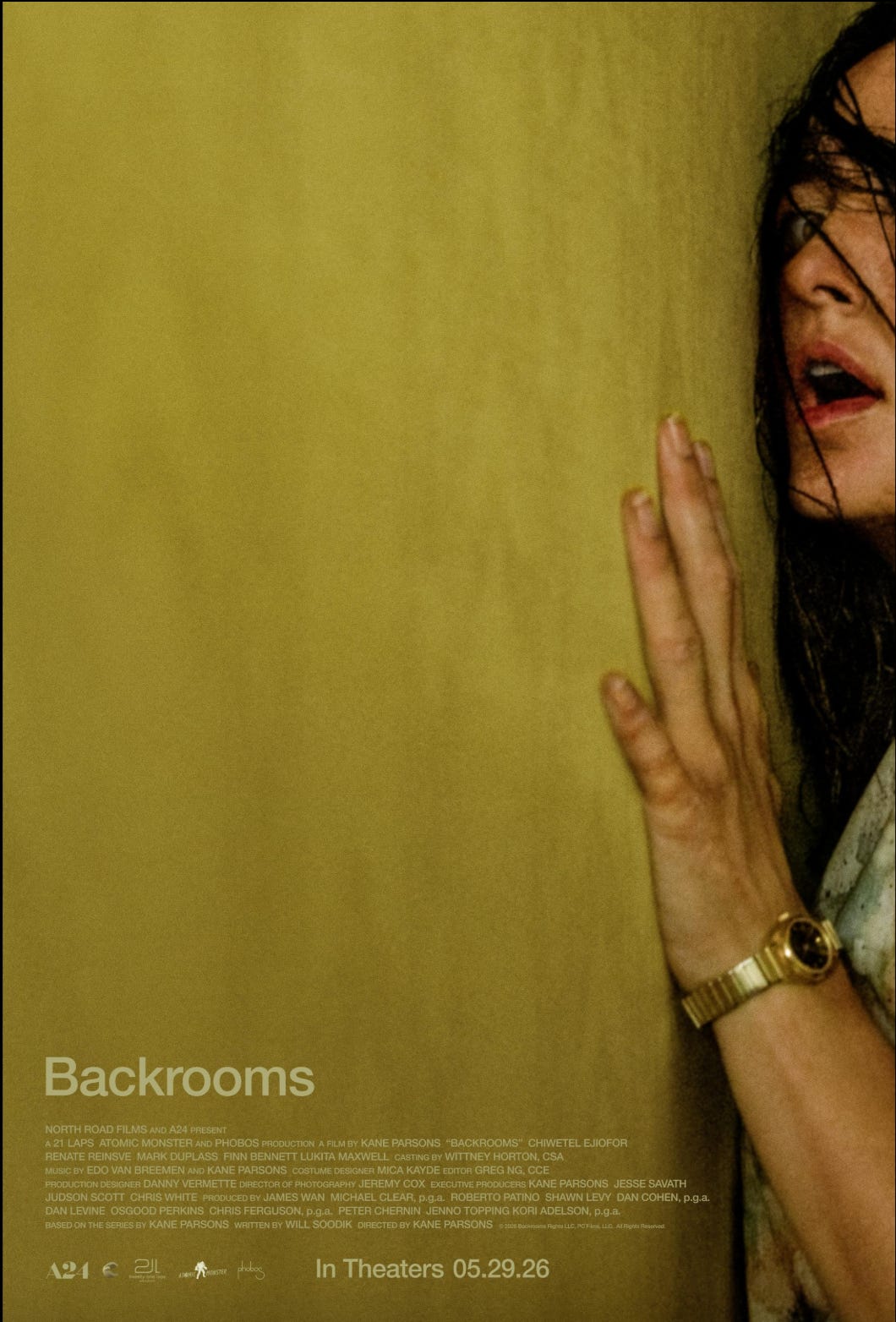
Backrooms — Kane Parsons’ history making first feature has had more than enough said about it already, but it was one of the more fun film experiences I had this year. Vanessa and I went the second weekend and the audience and us had all come to have a good time — and boy did they. Even with the advance word, I was not prepared for Parson’s commitment to the Lynchian liminal zone and totally dug getting lost in that nether space. The commitment to the feeling over anything else — but with an ability to never neglect the everything else — was more than enough for me to believe that Parsons had a lot more to bring us in the years to come. Sorry, Mike!
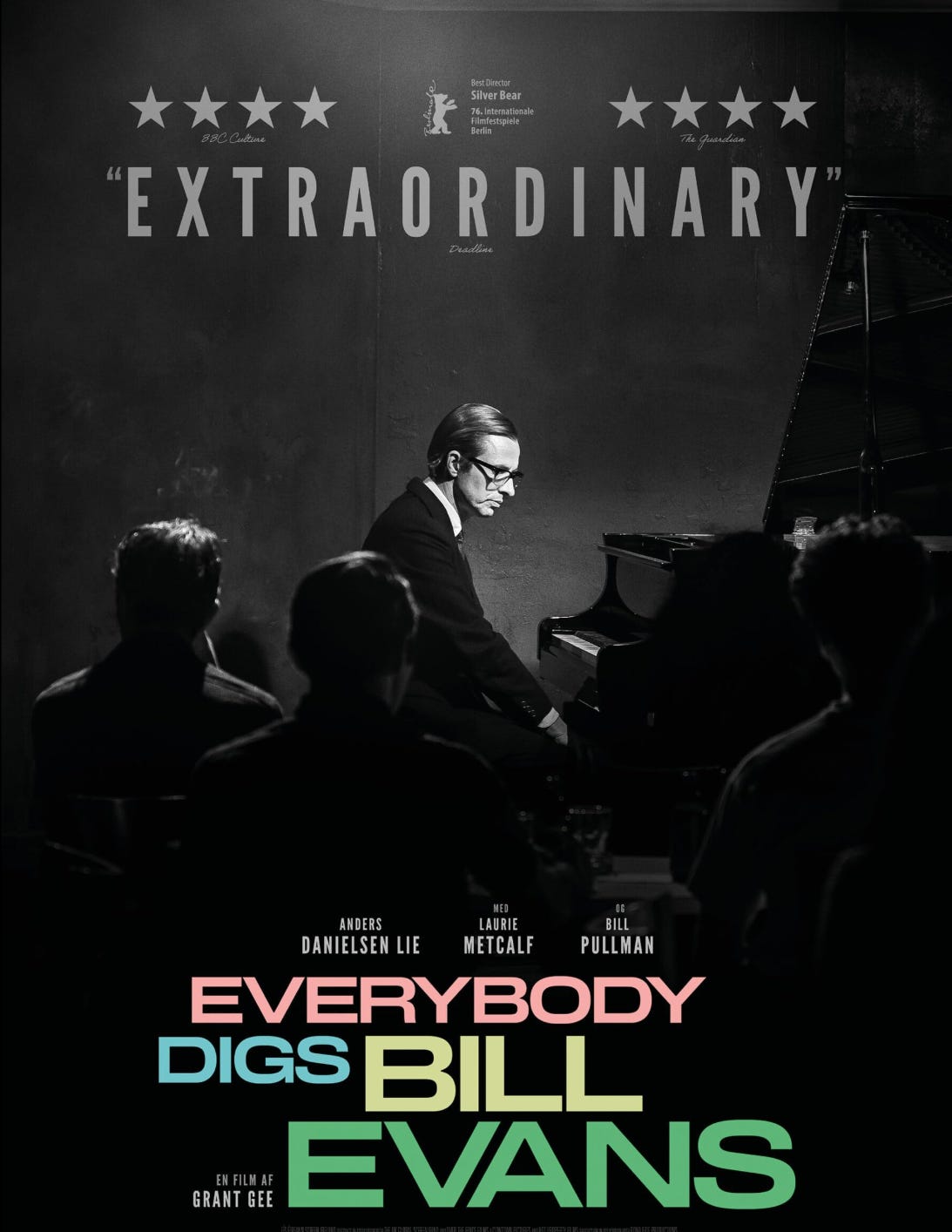
Everybody Digs Bill Evans — One one hand, it seems a bit unfair to include this as a “debut” feature as the director Grant Gee has made many excellent documentaries, and those certainly count no matter how you slice it. Except… I decided I am playing by the Venice Film Festival House Rules For First Features (just so I can include EDBE because I dig it so) and there — as the inclusion of Lance Oppenheim’s Primetime in our debut film selection demonstrated — docs there don’t count (but I hope they change that going forward). And in full disclosure, the Executive Producers of EDBE are friends of mine, but that’s why I got up to see a 9A screening of it at the Middleburg Film Festival — and I quite glad that I did.
There are very few films — let alone debut fiction features — that deliver an alignment of form and content and you see how what the film is about shapes the way the film is told. The same holds true for debut films that embrace a true aesthetically bold approach. Or a great balance of tone, as well as complexity. Granted I like a lot of jazz music, and particularly Bill Evans work, but I am a layman in trying to explain musically what he is up to; if often feels to me that Evans work is two things at once, like a joyful sad sound. In the film I found that was true of all the characters and their performances, in a truly fascinating way. Although Bill Pullman and Laurie Metcalf, for instance, are only in a relatively small sequence, they not only deliver a real humor but also a deeply felt soulfulness that emphasizes the characters’ lived experience — you can feel stories within the stories waiting to be told. Similarly, Anders Danielsen Lie gives the sort of quiet and subdued performance that speaks volumes.
I could go on about all aspects of the film, from the cinematography and design, to the score and the cutting. Suffice it to say, this is all I want from American Independent — and yeah, I know it is an Irish production. We don’t make them like this anymore. It is not a surprise that it won the Directing Award at the Berlin Film Festival; it deserved it. Although the film was made with a real economy of means, it is never lacking and delivers a full and robust world view.
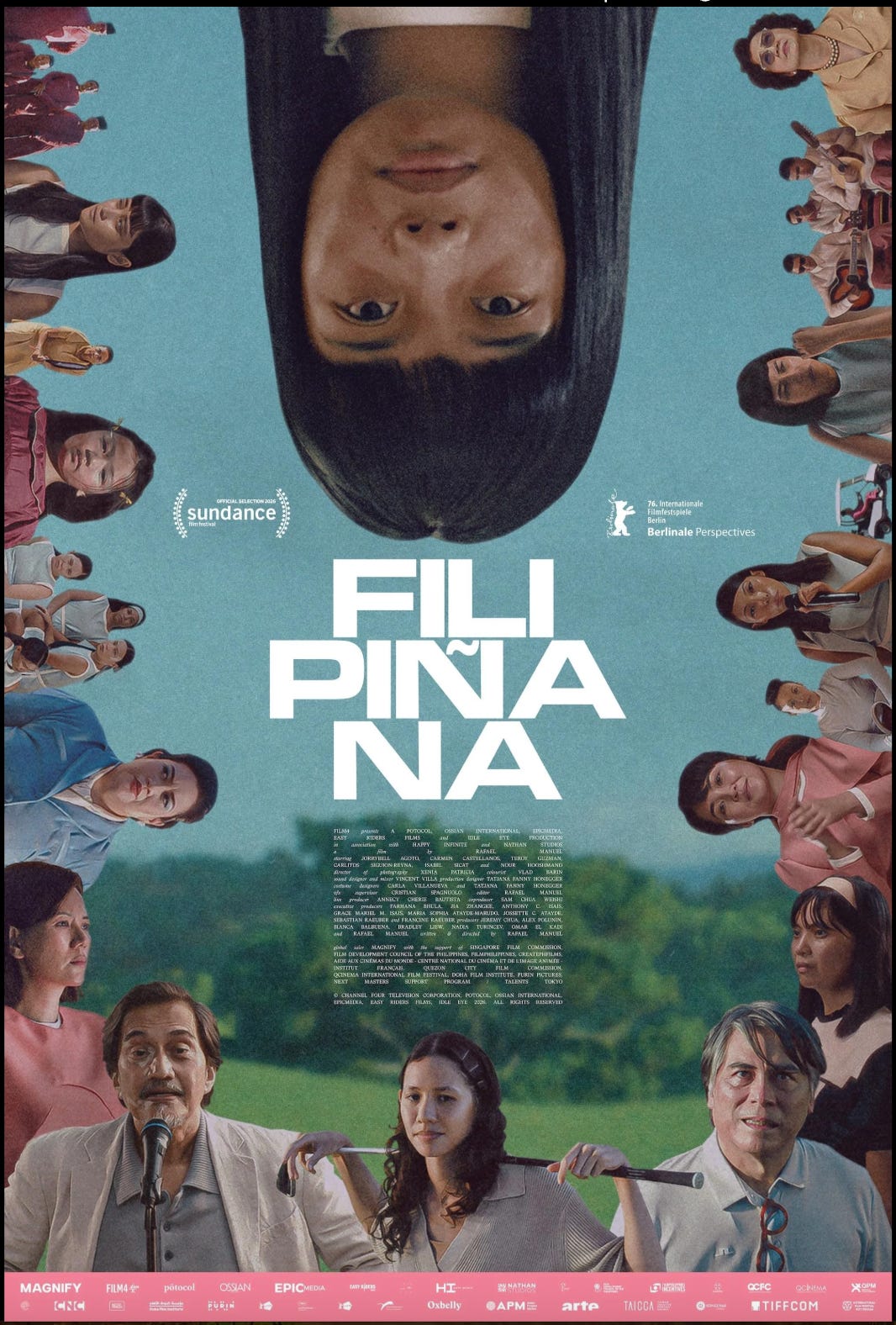
Filipiñana — Rafael Manuel’s film is another incredibly bold narrative and aesthetic approach that won’t leave me alone. Ever since I saw it, I think of particular shots from this film throughout my days. Despite the success it — and the short it was based on — has had on the festival circuit (winning Sundance’s World Cinema Dramatic Special Jury Award for Creative Vision), the Philippine Official Oscar Entry for Best International Feature Film is the sort of film that feels impossible to make in America. It leans into its aesthetic. It shows rather than tells. It treats its audience with respect and intelligence, and provides a quiet social critique, never quite spelling it all out.
Read or listen or watch Vanessa’s interview with the director:
It is the kind of film that requires tremendous confidence to tell, and Manuel delivers it fully. I find it nothing short of remarkable. It’s great. ‘ nuff said.
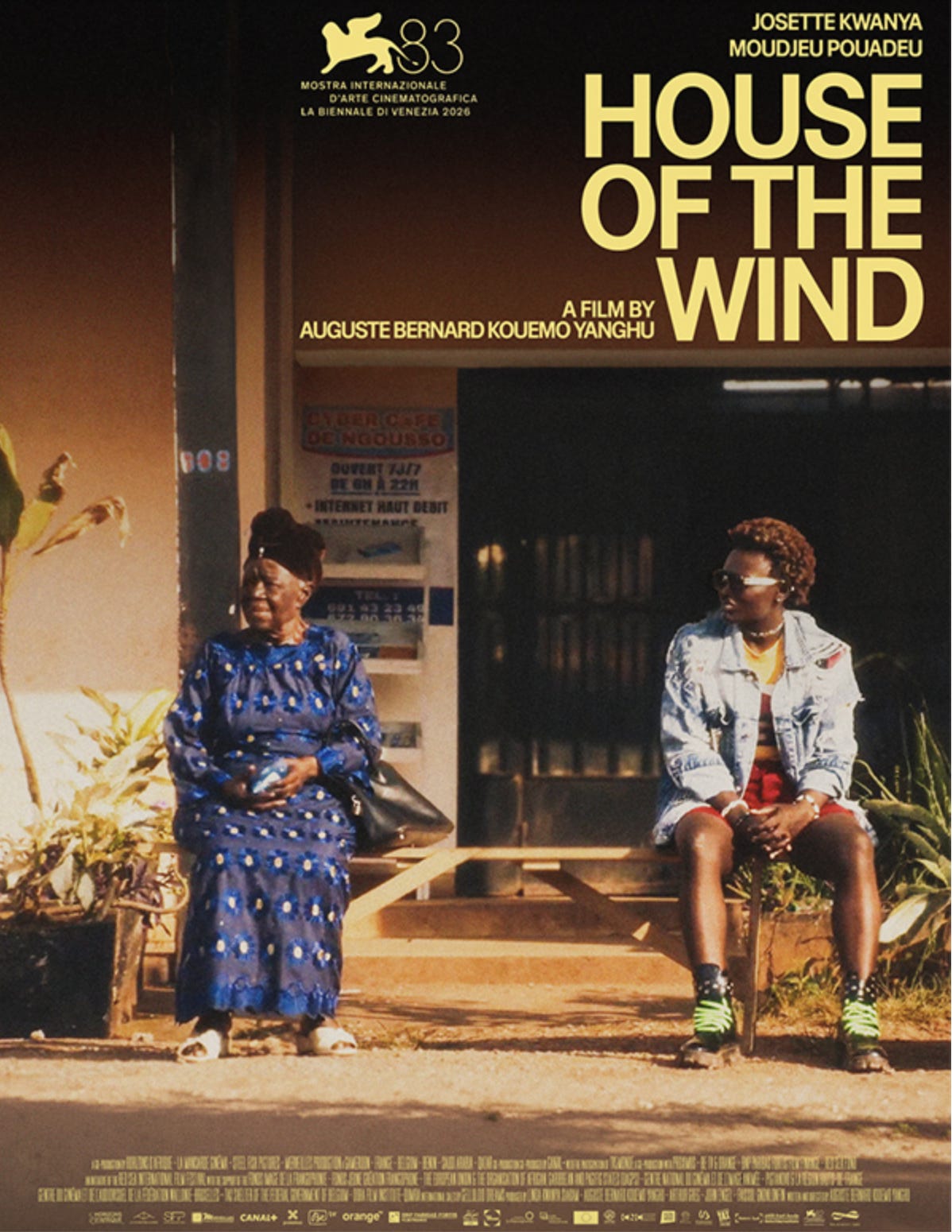
House Of The Wind — directed by Auguste Bernard Kouemo Yanghu (Cameroon), we gave this film the “Lion Of The Future” debut film award at Venice this year. This odd couple friendship tale between an elderly widow anxious for her adult children to return home (although we suspect they never will) and a young street vendor woman eager to marry and escape Cameroon, is anchored by a performance by the director’s mother, who died soon after photography. Not only does it feel true and specific to the land that helped birth it (and which I know little), but it too is willing to chances with form and narrative in a manner that landed the intriguing authenticity it carried with it.
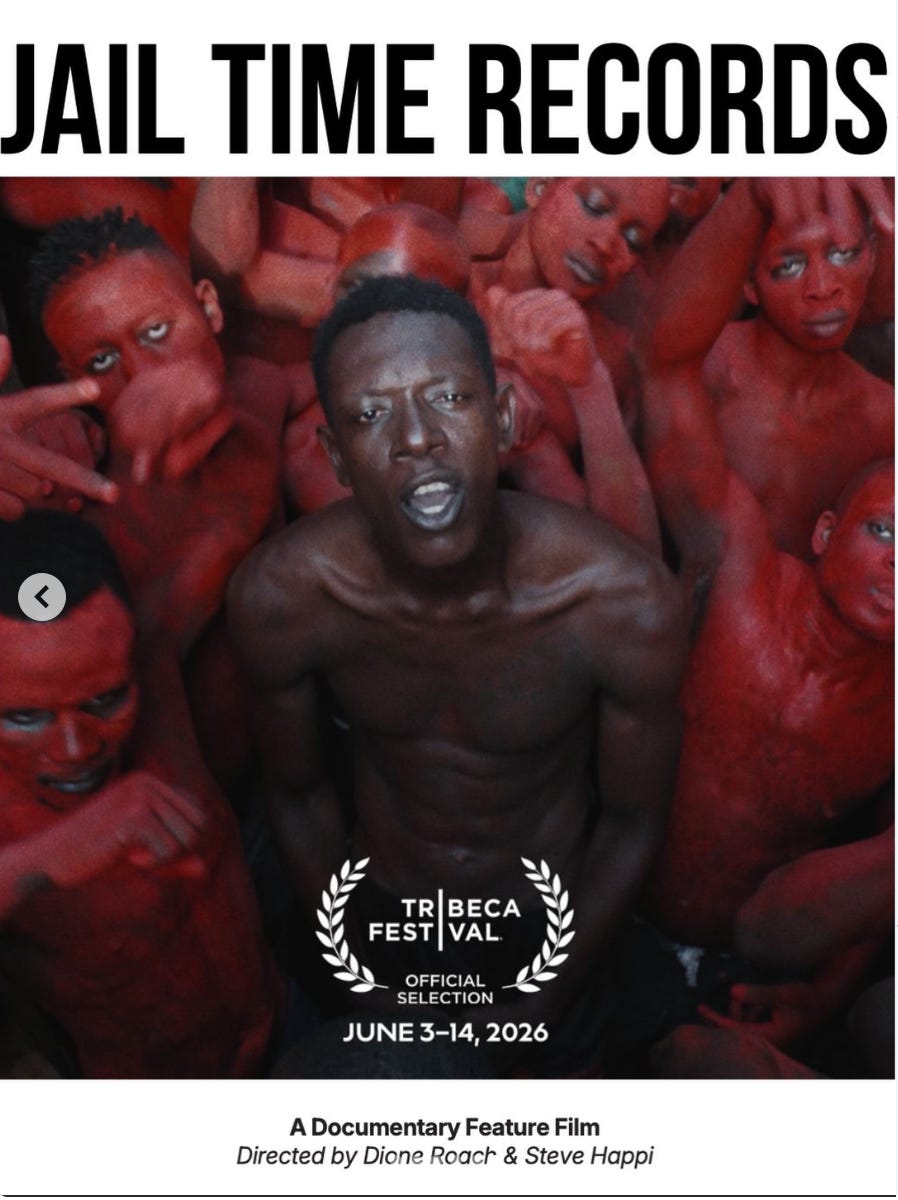
Jail Time Records— this nonfiction film, directed by Dione Roach and Steve Happi, is also from Cameroon. Go figure how often that happens. It also won a ton of awards at Tribeca and has been enjoying a strong festival run ever since. One of my favorite themes for film is the transformative power of art, and it is an even greater sensation to see it expressed in real life — particularly a situation like this criminally overcrowded prison in Cameroon — how effective art can be in people’s rehabilitation during incarceration. The co-director Steve Happi is a former prisoner, and he returns to set up a record label at the prison, in an effort to give the inmates a way to express themselves, and boy do they! Not only is the music great, but it offers the participant/subjects a chance to perform in other ways that is truly fascinating. The film is ground level with the prisoners, and is willing to fully lean into the fact that “the only thing you can film is people being filmed”. These characters are very much performing for the camera, and that’s what is being documented so why pretend otherwise as most films do? The film overflows with energy and passion. It is hard to say that in a situation so dire, that it can be hopeful, but that it is, and perhaps if we gave the incarcerated in this country a chance to express their full humanity as those in the film do, we might have a better record of rehabilitation. (In full disclosure, I have been volunteering my time to help them get better traction).
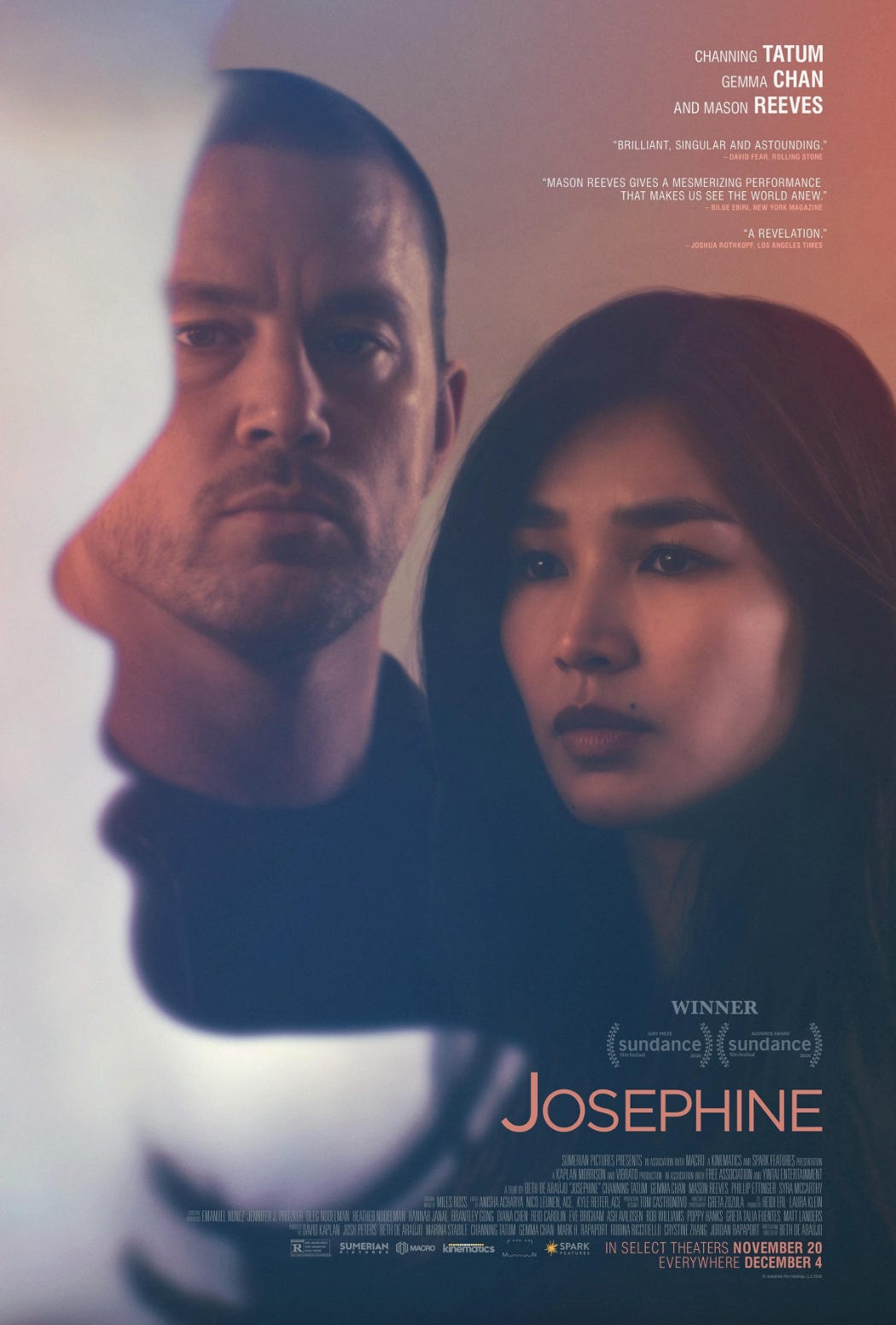
Josephine — Along with the aforementioned Filipiñana, Josephine was what I felt was one of the best directed films from Sundance this year. Written, directed, and produced by Beth de Araújo, it has has the still rare distinction of winning both the Grand Jury and Audience prizes there. It is not an easy film, being about a child’s witness of a rape, but rarely do you see a film with such a profound grasp of tone, let alone dealing with such a triggering subject or in a first feature. It is another great example — one which all these movies have in common — of using all aspects of cinema well. Form and content align, with the design, cinematography, score, and editing all refusing to play it safe while simultaneously reinforcing the cinema at hand. A director not only to watch, but to root for. Hopefully Hollywood empowers de Araújo fast.
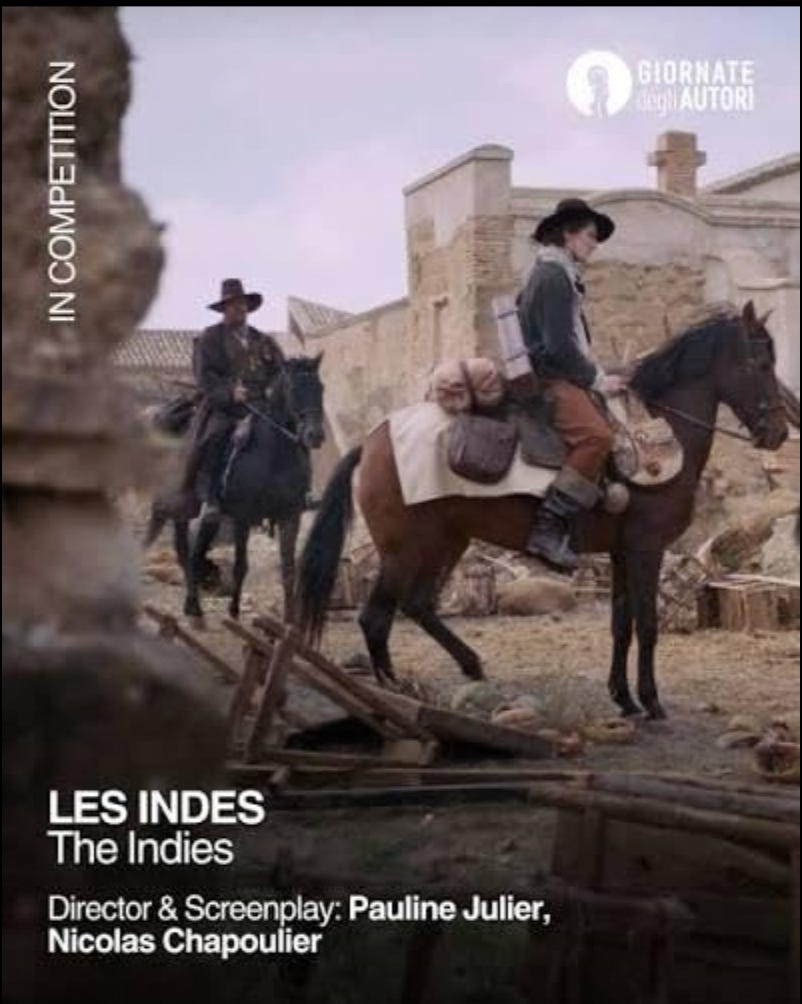
Les Indes — Without doing a scan of all my memory files, I only find Peter Greenway’s The Draftman’s Contract and his other similar work for historic movies with a distinctly modern approach. Co-directed by Pauline Julier and Nicolas Chapoulier, I got to see this tale of a cross-country effort to deliver peace and unification via the delivery of a single image (a painting of the princess) at Venice. Although by no means a cinema of poverty, Julier & Chapoulier tell an epic with precision, economy, boldness, and a great understanding (and playfulness) of cinematic language.
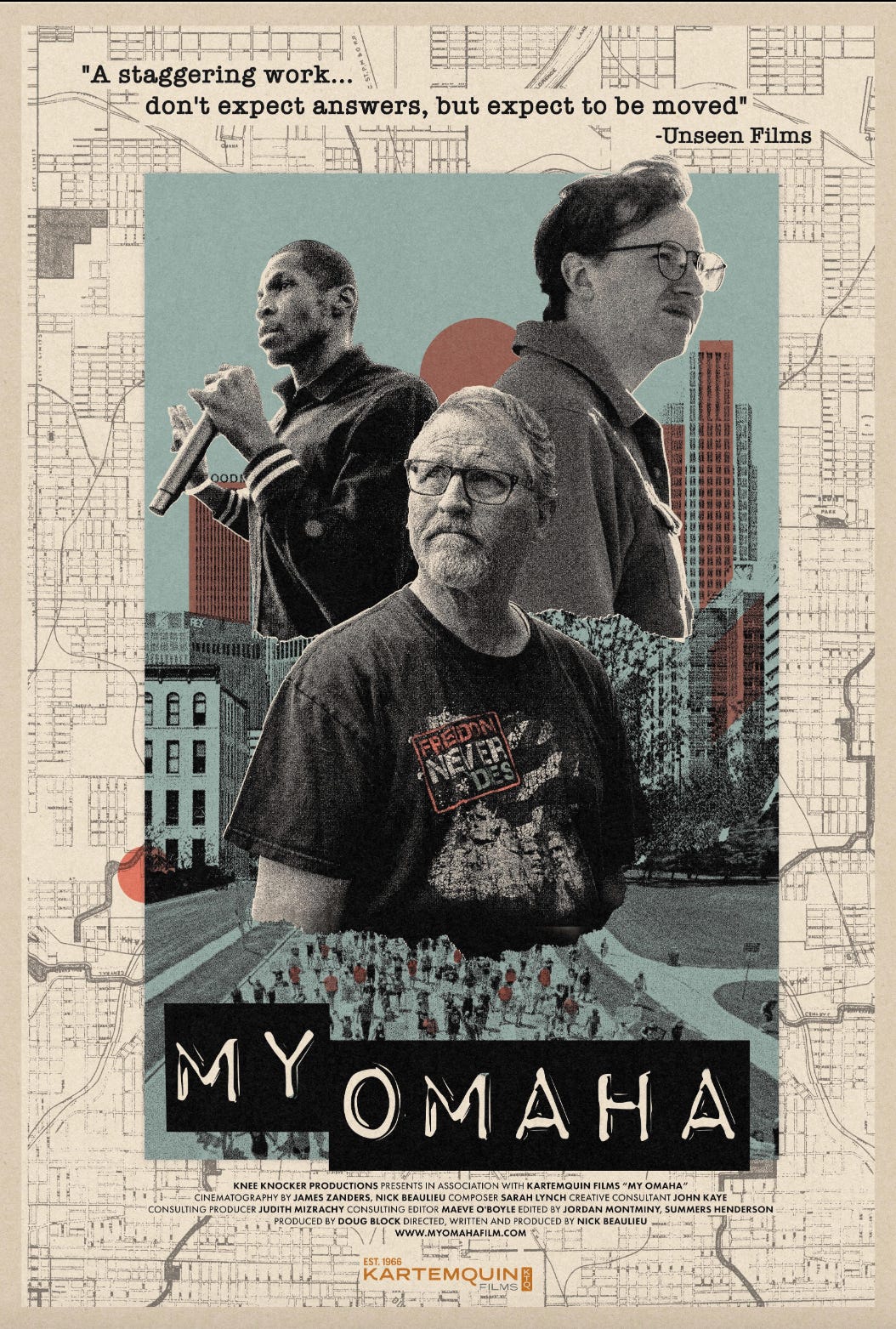
My Omaha — You can stream this film right now on PBS’ Independent Lens’ YouTube channel. , the director (and FilmStack newsletter author) spent eleven years on this personal documentary. I don’t know about you, but I am not a fan of the current trend among so many commissioned doc works that seem to know what they want to say before they get a chance to say it. Me, I am a fan of those that have the courage to tell a story before knowing where it will end; it is one of my favorite aspects of docs. This is that sort of film. I also love when filmmakers take on a big subject but keep it personal. This is also that sort of ilm. To me, everything is about process, and the only way one can remain honest is to reveal the process in the telling. Yes, this is also that, and believe me, none of it is easy to pull off well. Beaulieu delivers with talent, grace, patience and a profound amount of emotional intelligence and commitment.
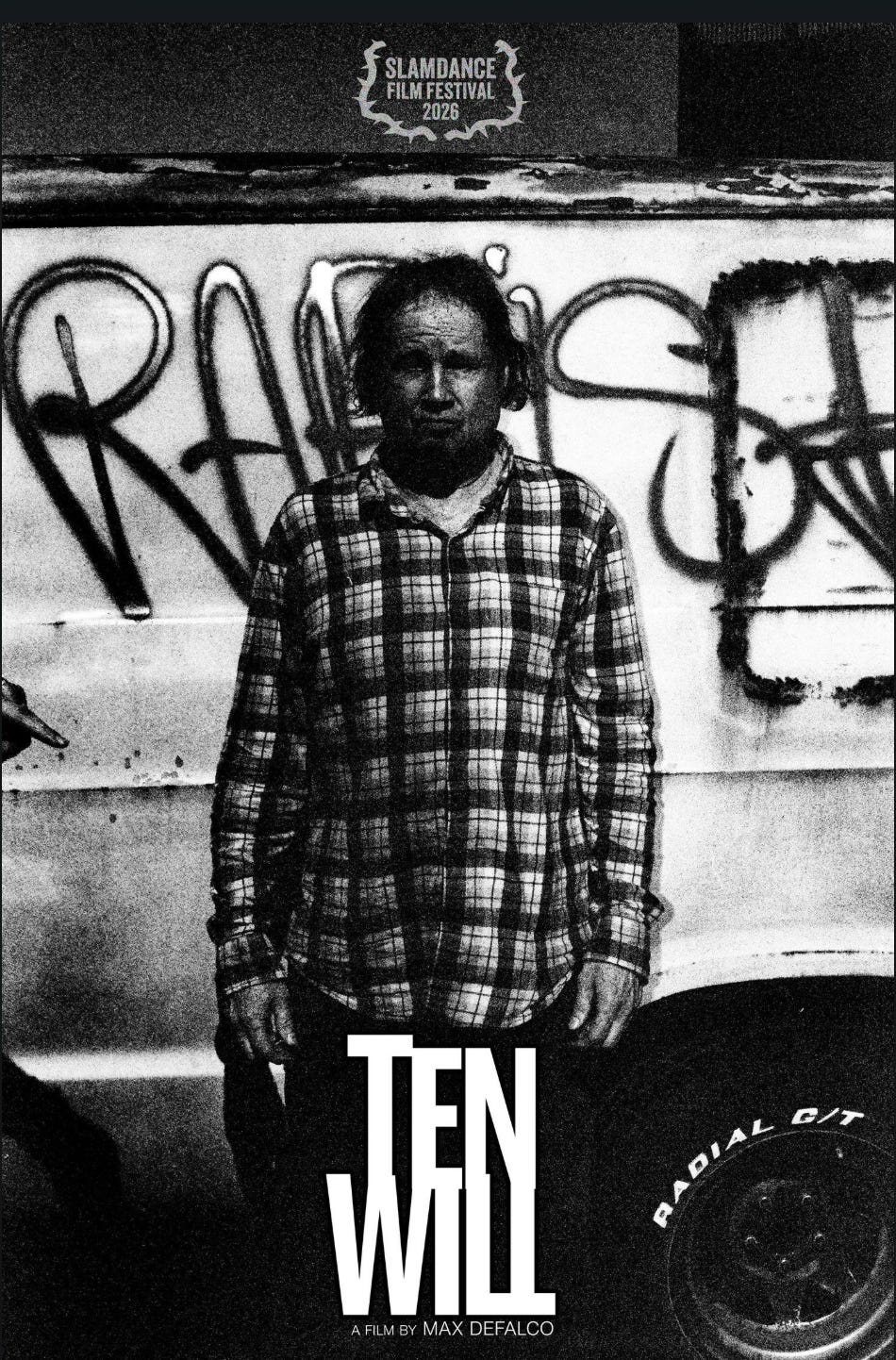
Ten Will – Max DeFalco’s feature debut premiered at Slamdance this year (where I saw it) and is now doing a release in LA, where it’s earned a glowing LAT review and comparisons to such provocateur faves of mine as John Waters, Todd Solondz, and the Safdies. What can I say, but I like to squirm in my seat! Seriously though, like the other filmmakers listed here, DeFalco’s in control of all the aspects of cinema, and is willing to be bold with each and everyone. His choices are courageous, and I think 100% right on for this tale of a sex offender fresh out of prison. He maintains a challenging (dare I say, fun?) tone throughout and he doesn’t compromise. I was convinced in this day and age we’d have a sell-out ending, but not here we don’t.
What did I miss (but please don’t mention your own film!)?
And if debut features are your jam, I’ve got plenty more for you!