

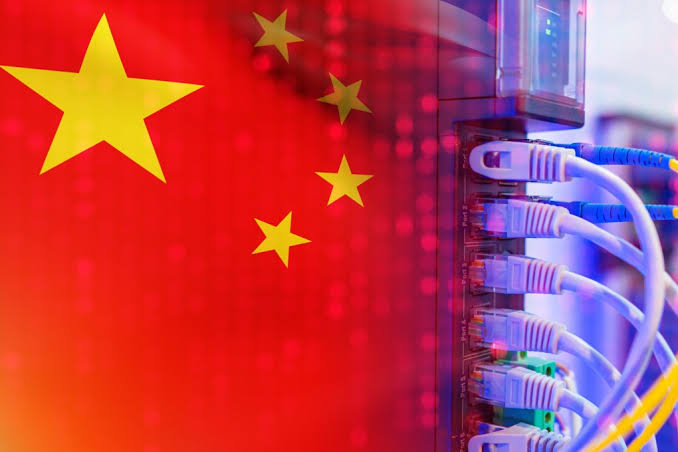
Data is no longer just information. It has become one of the most powerful forces shaping modern China. It fuels businesses, drives innovation, influences government decisions, and accelerates the nation’s push toward technological dominance. While much of the world is still debating what the future of technology will look like, China is already building it at astonishing scale, speed, and ambition.
At the heart of this transformation is big data. It is no longer a supporting tool operating behind the scenes. It has become the engine powering one of the most ambitious digital revolutions in the world. From artificial intelligence and smart cities to finance, manufacturing, and e commerce, China is showing how data can reshape an entire economy and turn a nation into a global digital powerhouse.

Data Elevated to National Superpower Status
China has made a move that could fundamentally reshape the global economic landscape by elevating data from a byproduct of economic activity into a strategic resource and a core factor of production, alongside land, labor, capital, and technology. This is more than a statement of ambition. The creation of the National Data Administration, the landmark “Twenty Data Measures,” data assetization, and the rapid expansion of state backed data exchanges all point to a coordinated national strategy designed to turn information into measurable economic value and national power. China is building the institutions, markets, regulations, and infrastructure needed to unlock the enormous value contained within its digital resources.
The scale of that resource is extraordinary. China generates vast amounts of data through its massive population, highly connected society, manufacturing base, financial system, e commerce platforms, and expanding artificial intelligence ecosystem. With internet penetration above 80 percent and hundreds of millions of generative AI users, the country is creating a continuously growing reservoir of real world information. What makes this especially significant is how that data can be connected and applied across industries, from improving factories and logistics to transforming finance, healthcare, commerce, transportation, and public services. China is therefore not simply collecting data. It is building a system designed to turn data into intelligence, intelligence into innovation, and innovation into economic and strategic power.
Computing Power That Matches Ambition
Intelligence needs computing power, and China is rapidly building it. The country’s intelligent computing capacity has surged to 1.59 million PFLOPS, placing it among the world’s leaders and putting it within striking distance of the top position. Massive computing clusters, the “East Data, West Computing” initiative, and plans for interconnected national data center networks are creating the infrastructure needed to turn enormous volumes of data into real time intelligence. Regions such as Guizhou have emerged as major computing hubs, demonstrating how large scale digital infrastructure can be developed alongside efforts toward greater energy efficiency. This infrastructure is not simply designed to store information. It provides the computing power needed to train advanced AI models, operate industrial AI systems, and help Chinese companies develop and deploy new technologies at remarkable speed.
The Real Economy Reborn Through Data Intelligence
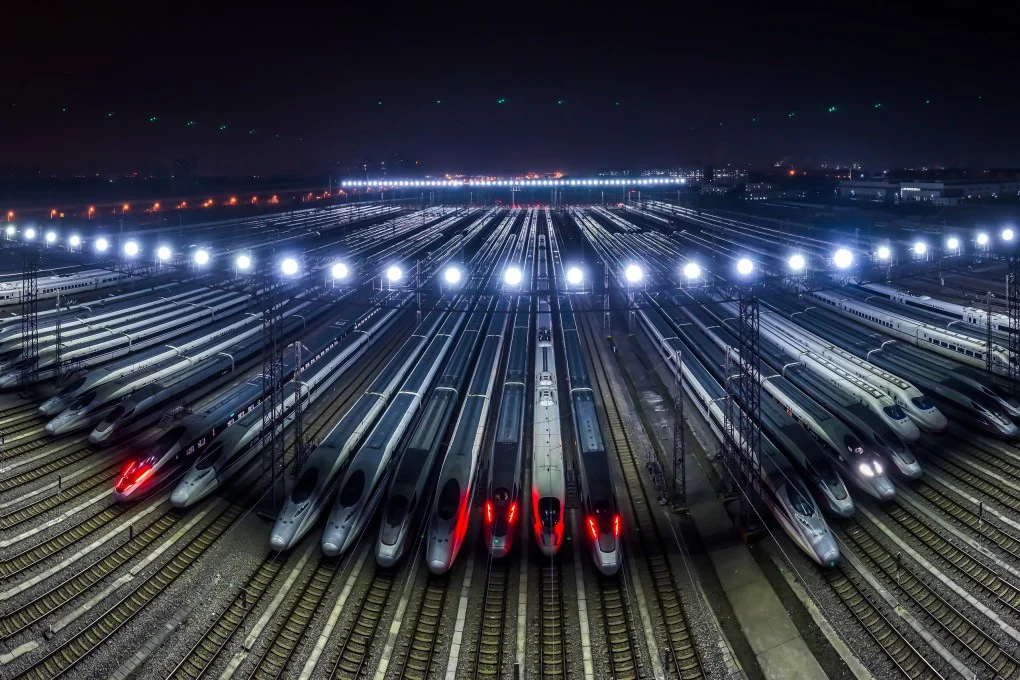
The most important transformation is happening where data meets the physical economy. China’s “Data ×” strategy is accelerating the integration of data and artificial intelligence across manufacturing, logistics, energy, agriculture, finance, and urban development. Factories can analyze production data in real time, supply chains can anticipate disruptions, and digital twins can allow companies to test products and processes before committing to expensive physical prototypes. At the same time, China’s digital industries continue to become a larger part of the national economy, while the “AI Plus” initiative is pushing artificial intelligence into traditional industries and emerging sectors such as robotics, semiconductors, and the low altitude economy. The result is a broader transformation of productive capacity, with data becoming an increasingly important source of efficiency, innovation, and competitiveness.
Markets That Turn Data into Wealth
China is also building markets designed to turn data into an economic asset. Instead of allowing valuable information to remain trapped inside companies or government institutions, policymakers are developing systems through which data can be valued, shared, licensed, and traded under controlled conditions. Public data is increasingly being opened for commercial and social applications, while specialized datasets are being developed to support artificial intelligence and other advanced technologies. Data exchanges across the country are creating new channels for transactions, helping transform information that once had little direct economic value into a resource capable of generating revenue, supporting innovation, and creating entirely new business opportunities.
A Vision Larger Than Borders
China’s data strategy extends beyond its domestic economy. By developing large, high quality datasets and expanding its capabilities in artificial intelligence, China is positioning itself to influence the technological systems that will shape the next generation of the global economy. Its growing digital cooperation with countries in the Global South could also expand the reach of Chinese technology, infrastructure, and data capabilities. At home, the same systems can support smarter public services, more efficient industries, and faster responses to economic and social changes. Significant challenges remain, including data security, quality, interoperability, privacy, and technological self reliance. Yet China continues to treat these challenges as problems to be solved through policy, investment, and technological innovation.
The Intelligence of the Future Is Already Here
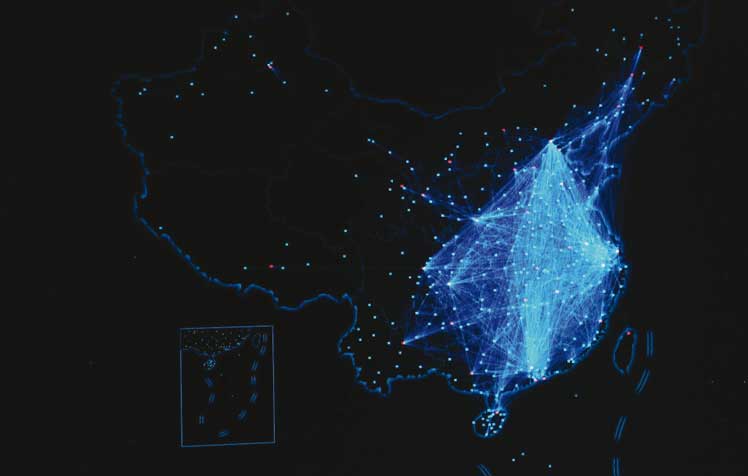
China has transformed big data from a digital resource into a central component of its economic strategy. Its enormous data generation, expanding computing infrastructure, rapidly developing AI capabilities, and deep integration with manufacturing and other industries are creating a powerful foundation for the next stage of economic development. The significance of this transformation goes beyond technology. It points toward a new form of national power in which the ability to collect, process, understand, and apply information becomes just as important as traditional measures such as industrial capacity and economic output. China is therefore not simply participating in the digital age. It is building an increasingly intelligent economy in real time, and the consequences could reshape competition, innovation, and economic power around the world.