

So much of what we do at The Free Press is try to make sense of a world where trust is broken. What many see as a crisis of trust we think is, first and foremost, a crisis of trustworthiness. From government and the media to education and medicine, institutions that fought hard to earn the public’s trust have squandered it.
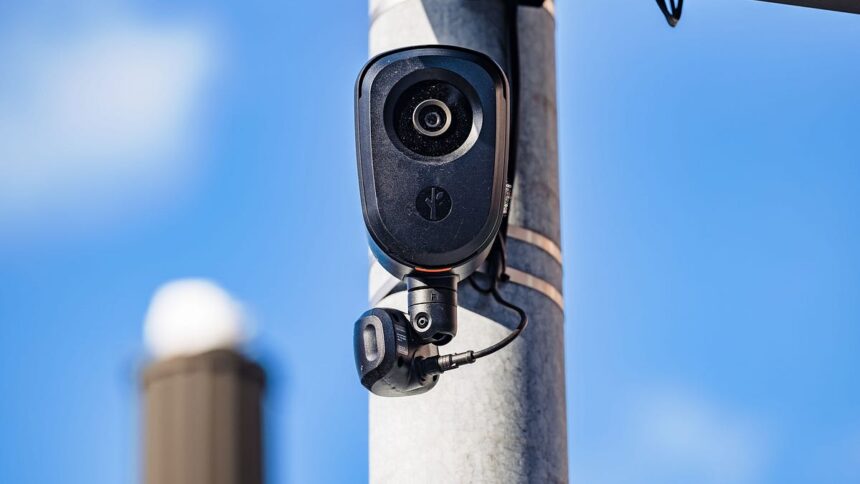
That change is arguably the story of our time, and once you understand it, you see it everywhere—including in two of the most contentious debates of this moment: over data centers and Flock surveillance cameras. We’ve covered both of these fights here at The Free Press. At root, they get at something much deeper than the technology itself. What’s really at stake is whether trust, once spent, can be earned back at all.
That’s why, when we read Erick Erickson’s essay tracing this breakdown back to the pandemic, we decided to reprint it in our pages. His analysis is unsparing in identifying who’s responsible on both sides of the aisle, and clear-eyed about what it will take to win the public back. We are pleased to bring it to you today. —The Editors

In April of 2020, San Clemente, California, dumped 37 tons of sand into a skate park to keep teenagers out of it. Other California cities followed suit. Up the coast, sheriff’s deputies arrested a man for paddleboarding by himself in the Pacific Ocean. Cities unbolted basketball rims. The mayor of Los Angeles told people that “snitches get rewards” and, God help us, people snitched, calling the tip lines on the neighbors whose grandkids came over. Months later, Gavin Newsom violated his own Covid-19 protocols and enjoyed a dinner at The French Laundry.
The sand, the arrest, the missing basketball rims, the rewarded snitches, and the elite hypocrisy explain a lot about where we are as a nation, including things that look like they have nothing to do with Covid, like data centers and Flock cameras.
In March 2020, Americans did as they were told. People closed businesses, local governments closed schools, and families canceled funerals. They waited for instructions from their elected leaders and public health officials because those officials said we needed two weeks to stop the spread. People generally trusted their institutions. Civic trust is a limited resource in a free nation. The press, politicians, bureaucrats, experts, and elite violated that trust until it was gone.
Read more