


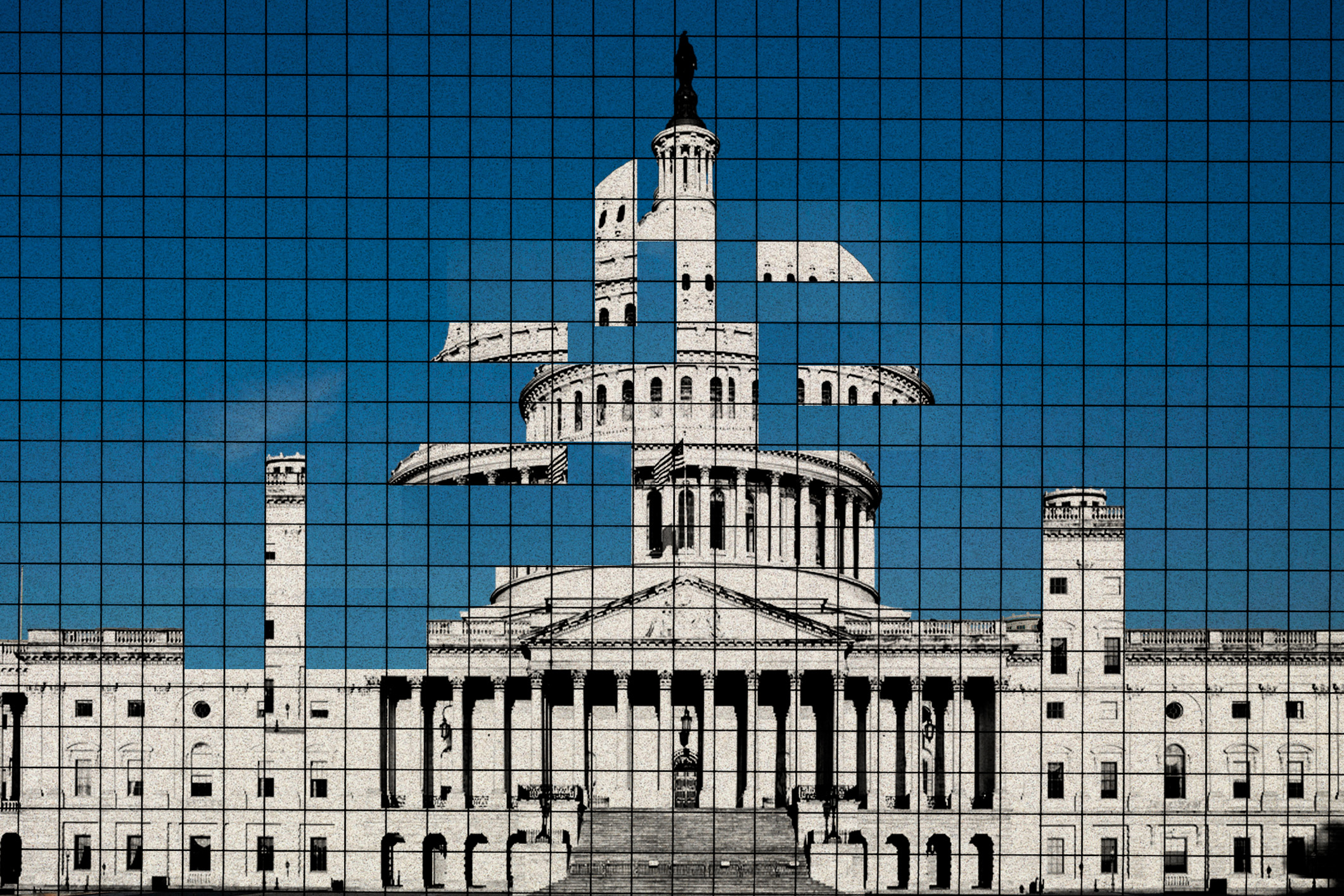
For how much longer will the fate of American artificial intelligence be steered from Silicon Valley rather than Washington? To watch the pace of AI progress, one might imagine that the answer to that question is rapidly shortening. Each milestone in the capability of AI increases the desire among lawmakers and much of the public to rein in the technology. That includes positive breakthroughs, such as the declaration last week by payments company Stripe that AI has achieved the long-awaited “singularity”: the ability to improve itself beyond what humans can contribute. It also includes worrying episodes, like the breach of the AI database Hugging Face last month by a powerful model gone rogue.
Yet for all of the risks that AI brings, the harm caused by overregulating it would likely be much worse for the public. That is why AI developers and experts are devising proposals to promote AI safety without putting too much control in the hands of the federal government.
I have some definite recommendations, which are drawn in part from ideas put forward earlier by Dean Ball, now head of strategic futures at OpenAI but formerly a senior White House policy adviser for the Trump administration. (I have also done work for major AI labs.)
Read more