

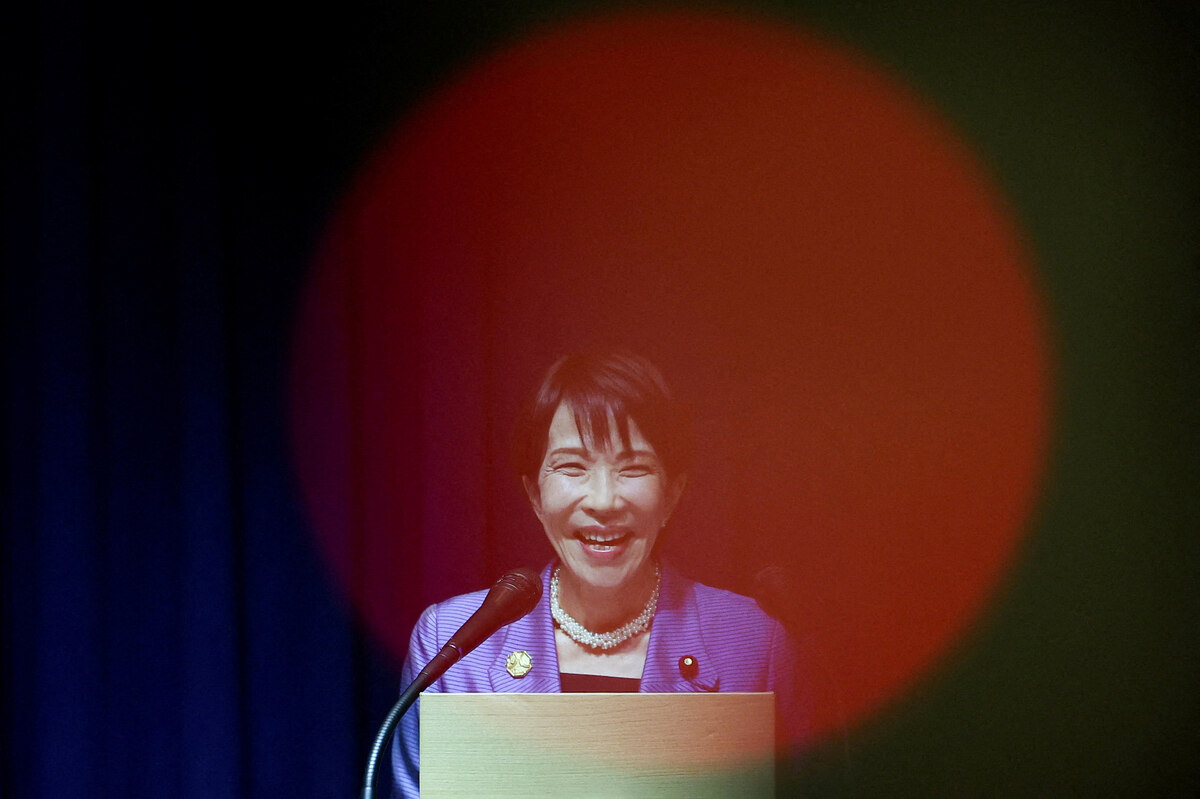
It is well known that Sanae Takaichi hates the hot summer in Japan and especially the election campaign in the humid heat between July and September. But the weather is not the reason why Japan’s Prime Minister now wants to have parliament re-elected in cold February. The decisive factor is their unusually high likeability ratings.
In a poll over the weekend, her approval rating was 78 percent. One reason is that they… first woman to head government is, another that it lowered the gasoline tax and fought inflation. It also stood up to China despite Beijing’s punitive economic measuresafter she made a thoughtless statement on the Taiwan issue.
Takaichi, who only succeeded Shigeru Ishiba as prime minister at the end of October, wants to convert this popularity into her own strength at the ballot box. With a victory, she could get the razor-thin majority of her new ones Coalition with the Japan Renewal Party (Ishin no Kai) expand or regain an absolute majority for their Liberal Democratic Party (LDP).
“Takaichi is betting that her popularity will make the new partner Ishin unnecessary,” said Japanese expert Axel Klein from the University of Duisburg-Essen.
The election is expected to take place at the beginning of February
The 64-year-old politician told the LDP leadership on Wednesday that she wanted to dissolve the lower house at the start of the regular session on January 23rd. Japanese media expect new elections to take place on February 8th.
Stock investors applauded her plan: The benchmark Nikkei index hit new records as a larger government majority will make it easier for Takaichi to push through its growth plans through higher government spending.
However, analysts see two risks that the new election will backfire for them: Firstly, Takaichi’s great popularity has not yet rubbed off on their LDP. This lost its majority in parliament due to scandals. The party that has governed Japan for most of its time since 1955 continues to hover around the 30 percent mark.
Secondly, two large opposition parties surprisingly announced their merger. The new “Centrist Reform Party” sees itself as a liberal alternative to Takaichi’s conservative coalition.
For example, the social democratic Constitutional Democratic Party (CDP) – the largest opposition group – and the liberal-centrist Komei Party (Komeito) reject changing the constitution away from pacifism and are skeptical about the use of nuclear energy.
The opposition wants more welfare state
Instead of the business-friendly LDP policies, they want to expand the welfare state. In contrast to the LDP, they also advocate a reform of naming laws in marriages to allow different surnames. The new party wants to run for the new election with its own list.
The piquant thing about this development: The Komei Party has been the coalition partner of the LDP since 1999, However, the long-standing alliance ended in October because of Takaichi’s tough stances on party financing and security policy issues.
The LDP benefited from this coalition through electoral agreements. Supporters of the Buddhist lay organization Soka Gakkai, which backs the Komei Party, voted for the LDP candidate in constituencies without their own candidate. In return, the LDP asked its supporters to vote for Komeito.
This arrangement gave the LDP around 25 seats in the last election. “Komeito’s lack of support could cost the LDP many seats if Takaichi’s ‘brilliance’ does not help mobilize other groups of voters and compensate for the loss of the old coalition partner,” warned German expert Klein.