Translate this article to English
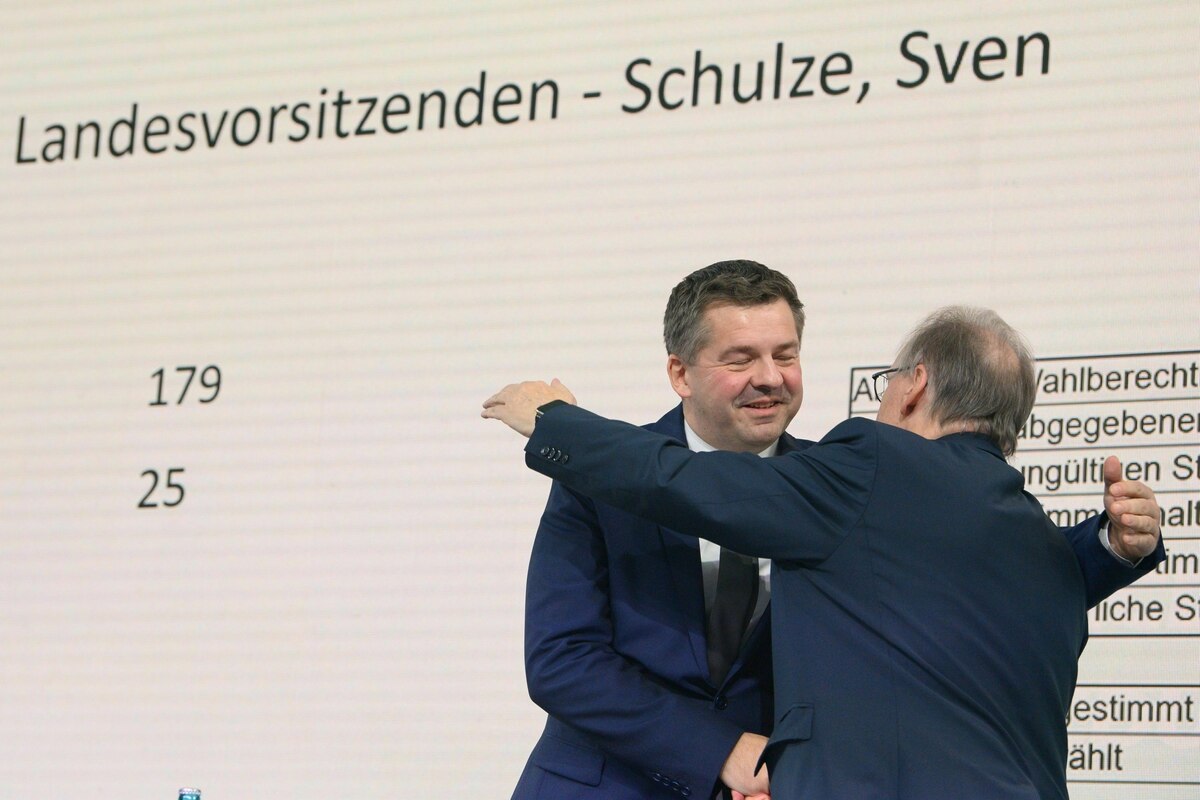
D This can probably be called a panic move without exaggeration – by everyone involved. The SPD and FDP agreed on Monday evening to elect a new Prime Minister in Saxony-Anhalt this month, just as the CDU has just proposed in a rapid U-turn. In itself, it is a good idea to let a top candidate go into the election campaign with an office bonus. But the circumstances and timing of this decision are a disaster. And for many reasons.
On the one hand, the CDU is losing a lot of credibility with its decision that comes too late. Reiner Haseloff, the respected CDU Prime Minister, had emphasized until the end that he would remain at the head of his “Germany coalition” for the entire legislative period, i.e. until a new government was formed after the state elections in September.
Whether this was because he did not want to break his campaign promise from five years ago or did not want to give up control early, or whether, as is also rumored, the coalition partners have not yet been prepared to to help a successor into officeit remains to be seen.

The whole Secondly, it provides a lot of fodder for the AfD’s narratives. The fact that the other parties are shaking in fear in view of the threateningly good poll numbers for the right-wing extremists, that they believe that they can only keep the AfD away from power using not entirely clean methods and that they cannot be relied on anyway, but are only interested in maintaining their own power.
Thirdly, because the change was made much too late, it is also questionable whether the tactical goal of this maneuver can even be achieved. It will indeed Make Sven Schulze, the CDU’s top candidate and previous state economics minister, a little better known. But you have to earn an official bonus, and that is not easy, as Haseloff also had to experience at the beginning of his term in office. You don’t go from economics minister, whom hardly anyone knows, to popular father of the country within a few months.
So is the whole maneuver wrong? Not necessarily. If Schulze is elected at the end of January, it will probably be the lesser of two evils. And at least Haseloff, Schulze and their state CDU seem to have finally realized – also with the help of pressure from the federal party – that they really have to pull out all the stops in this election campaign if their country is to be the first in the country not to fall to the AfD. But with a little more foresight, the chances of success would have been significantly better.