
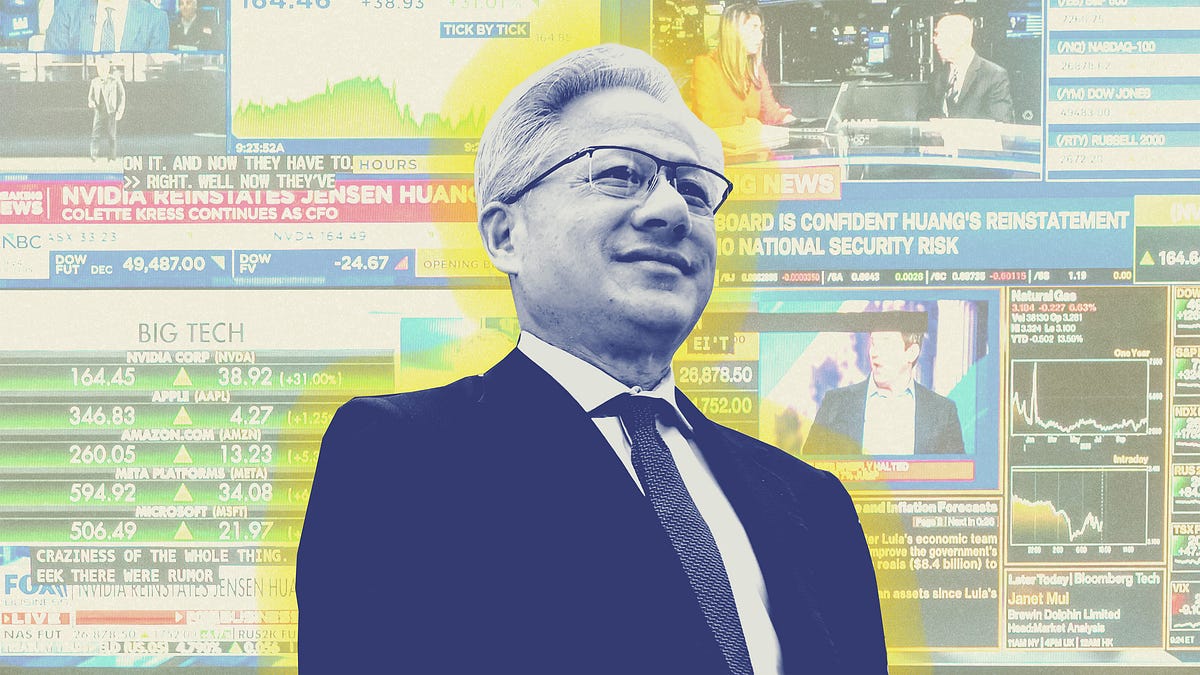
Nvidia CEO Jensen Huang offered an apology on Tuesday, admitting to making terrible mistakes just a day after returning to lead the microchip manufacturing giant. Huang stated that he is currently undergoing daily therapy as the technology sector grapples with unprecedented fallout over global trade policy, artificial intelligence competition, and national security investigations involving China.
The controversy surrounding the semiconductor executive comes on the heels of major federal action by the Trump administration. On Monday, the U.S. government banned Singapore-based Megaspeed from acquiring advanced semiconductor chips. Federal authorities launched the new trade restrictions following allegations that Nvidia and Huang funneled prohibited microchips to China through Megaspeed's regional office.
The fallout has drawn sharp analysis from various commentators regarding corporate governance, government intervention, and geopolitical tech competition. Observers including Joe Nocera, Aaron MacLean, and Niall Ferguson have weighed in on whether Nvidia was simply too big to fail and if the White House endangered national security by facilitating Huang's return to the corporate helm. Additional commentary from Matt Pottinger and Ross Douthat examined the broader trajectory of artificial intelligence infrastructure and market stability.
Alongside the corporate turmoil at Nvidia, the U.S. government is monitoring multiple foreign policy and national security fronts this week. The Pentagon is reportedly engaged in discussions with major automotive manufacturers General Motors and Ford to rapidly accelerate the production of military drones. This potential partnership aims to alleviate ongoing shortages in American military arms supplies.
In the Middle East, the U.S. government is investigating potential Iranian involvement in a fresh wave of maritime cyberattacks. Up to fifty commercial vessels carrying oil, chemical products, and hazardous materials have been targeted as regional conflicts persist. Meanwhile, the Trump administration is reportedly preparing to implement higher tariff rates against China and numerous other trading partners during this Thanksgiving week over domestic industry protections.
Domestic and international developments also highlighted civil liberties and legal actions this week. Iranian singer Parastoo Ahmadi was subjected to 74 lashes by the Iranian government, a punishment stemming from a 2024 virtual concert where she performed without wearing a hijab. In Iowa, federal judges ruled unanimously in favor of an Army plan to detonate degrading explosives in the southeastern part of the state on Wednesday, dismissing environmental legal challenges that cited potential spontaneous combustion risks.
In Washington, President Trump awarded the Presidential Medal of Freedom to former New York City Mayor and defense attorney Rudy Giuliani on Tuesday. The White House commended Giuliani for his leadership following the September 11 terrorist attacks and his municipal crime reduction policies. Concurrently, South Korea instituted a financial bounty policy offering payments up to $375,000 for identifying students using artificial intelligence to cheat on college entrance examinations.