


Artificial intelligence is reshaping the kinds of content we consume, from books and op-eds written with AI to films generated by it. But nowhere is this shift more visible than on social media, where it has become increasingly difficult to tell what’s real and what’s not. As AI becomes more ubiquitous on these platforms, what happens when people realize something they’re engaging with was made using it? Olivia Moore, a tech investor, set out to test that question by creating an AI-generated influencer and watching how people reacted. Read her piece to see what it reveals about how people engage with AI once they know it’s there. —The Editors

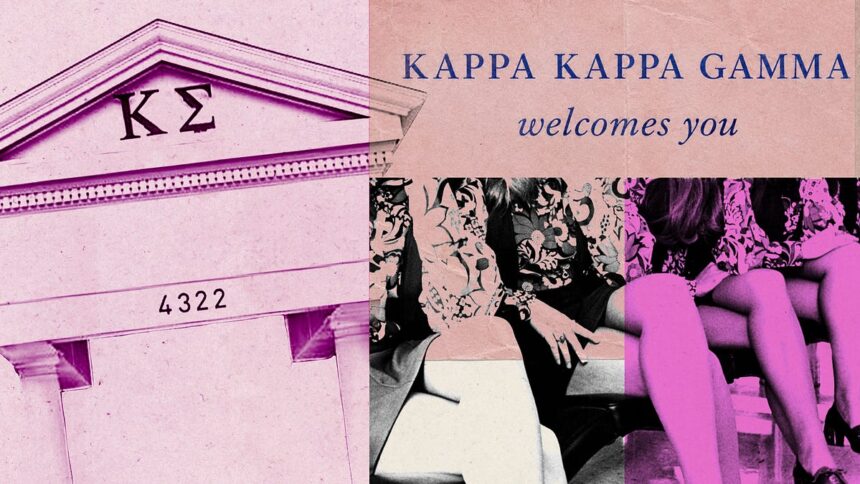
Earlier this month, a 19-year-old, curly-haired student named Janie went through Bama Rush, the University of Alabama’s annual sorority recruitment. Like many of the 2,500 prospective new members (PNMs), she posted “outfit of the day” videos, breathless recaps of house visits, and clips fumbling her way through trending dances on social media. Janie created a TikTok account just for rush, and within a week, she was averaging tens of thousands of views per video.
There was just one difference between her and all the other girls vying for a spot in the top-rated houses.
Janie wasn’t real.
She was born out of a single image generated by ChatGPT, and every one of her videos was prompted by me. Janie worked, in large part, because of RushTok, the annually occurring online spectacle surrounding Alabama’s sorority recruitment.
Every August, thousands of college women go through an arduous process to join one of the University of Alabama’s sororities, moving through a series of themed rounds of interviews with current members. The process culminates in “bid day,” when PNMs open offers of membership.
Read more