


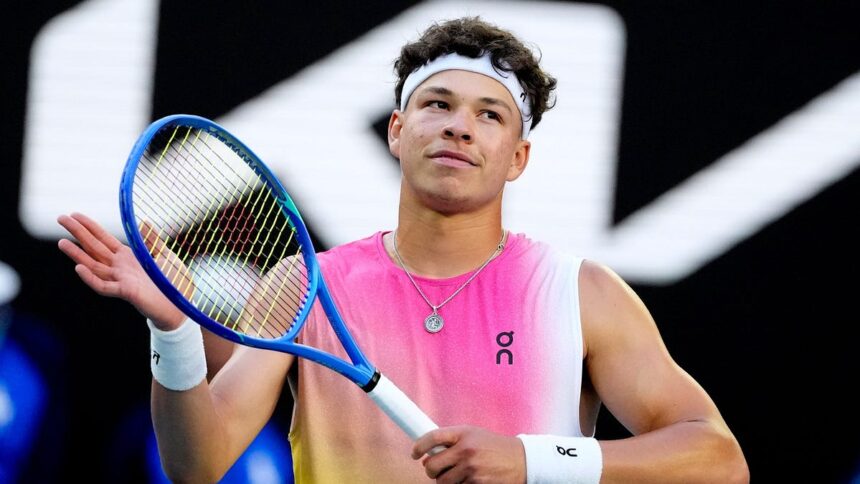
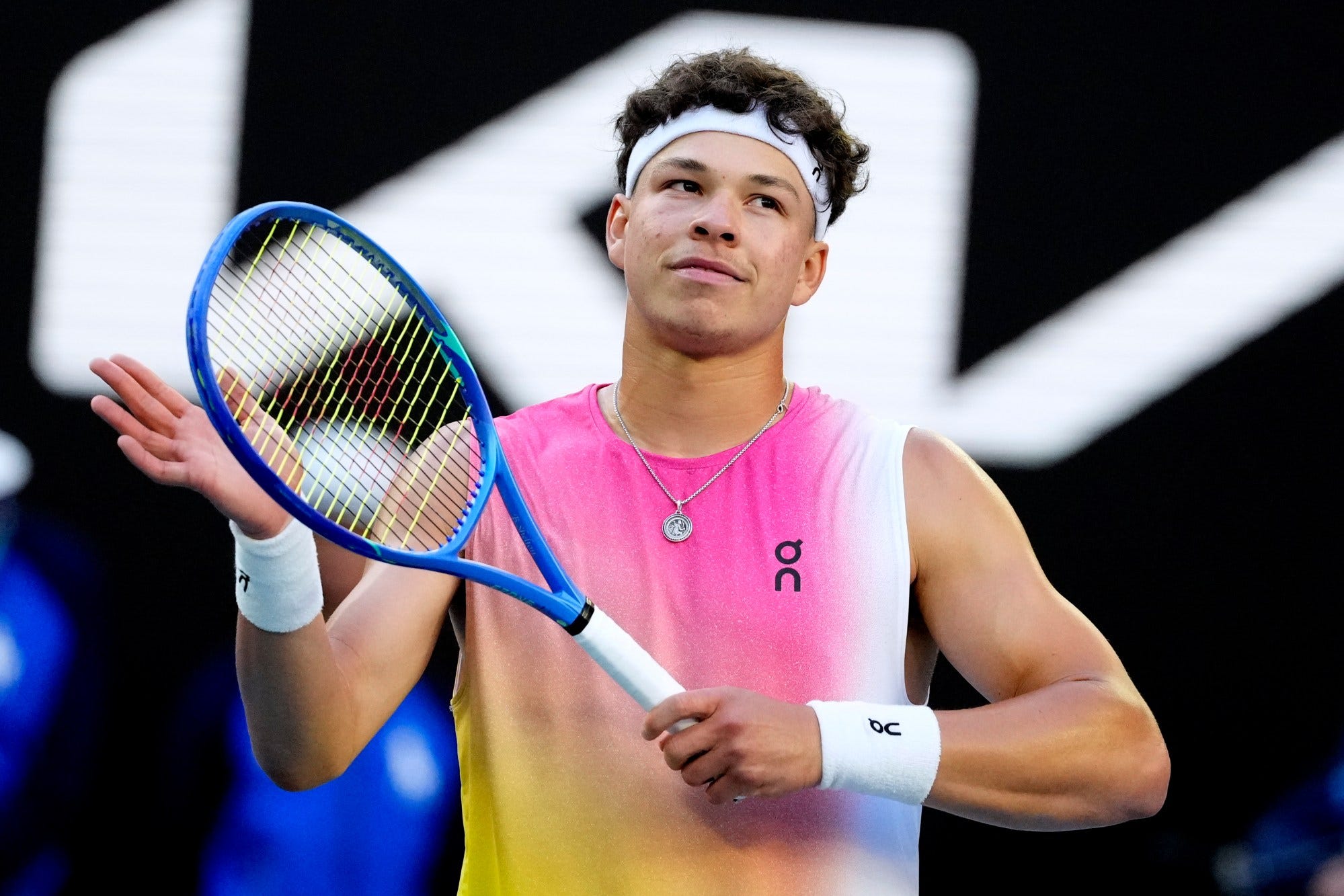
Ben Shelton will finish 2026 as one of the world’s top five men’s tennis players, and now the 24-year-old American will get paid like it.
According to Hard Court, Shelton is leaving On after four years to sign an endorsement deal with New Balance. Along with a signature shoe, Shelton’s deal with New Balance includes a $5 million annual retainer. New Balance will also pay Shelton a yearly bonus based on where he finishes in the rankings — a $5 million bonus if he finishes No. 2 to No. 10 and a $13 million bonus if he finishes at No. 1 — which could bring his total compensation to $18 million. If Shelton hits those bonuses, it would be one of the largest endorsement deals in tennis.
This is a big deal for Shelton, but it might be an even bigger deal for New Balance. The 120-year-old brand that made dad shoes famous has spent the last few years building one of the most impressive athlete endorsement rosters in sports. That list includes fellow American tennis player Coco Gauff, along with Shohei Ohtani, Josh Allen, Cooper Flagg, Kawhi Leonard, and Tyrese Maxey.
New Balance isn’t just spending cash for marketing buzz, either. With nearly $10 billion in annual revenue and a higher average selling price per item than Nike, the family-owned company has shifted from a sportswear afterthought to a premium, high-growth brand consumers love and competitors are starting to fear.
So for today’s newsletter, I’ll explain how an old brand like New Balance became one of the industry’s fastest-growing companies. We’ll start with some high-level details around revenue growth, but then I want to get into the good stuff, including how New Balance increased its average selling price from $58 to $83, why the company continues to rely on retail stores when all its competitors are going direct-to-consumer, and how one family still controls 95% of the business.
Let’s get into it…
Read more