


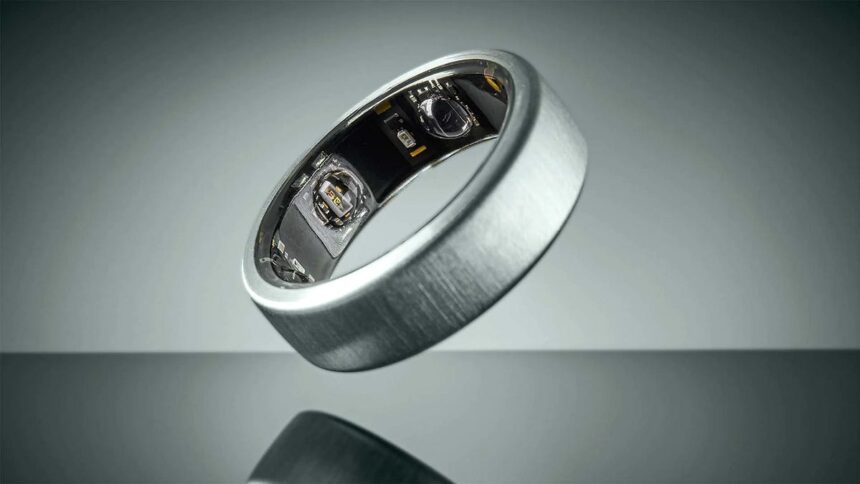
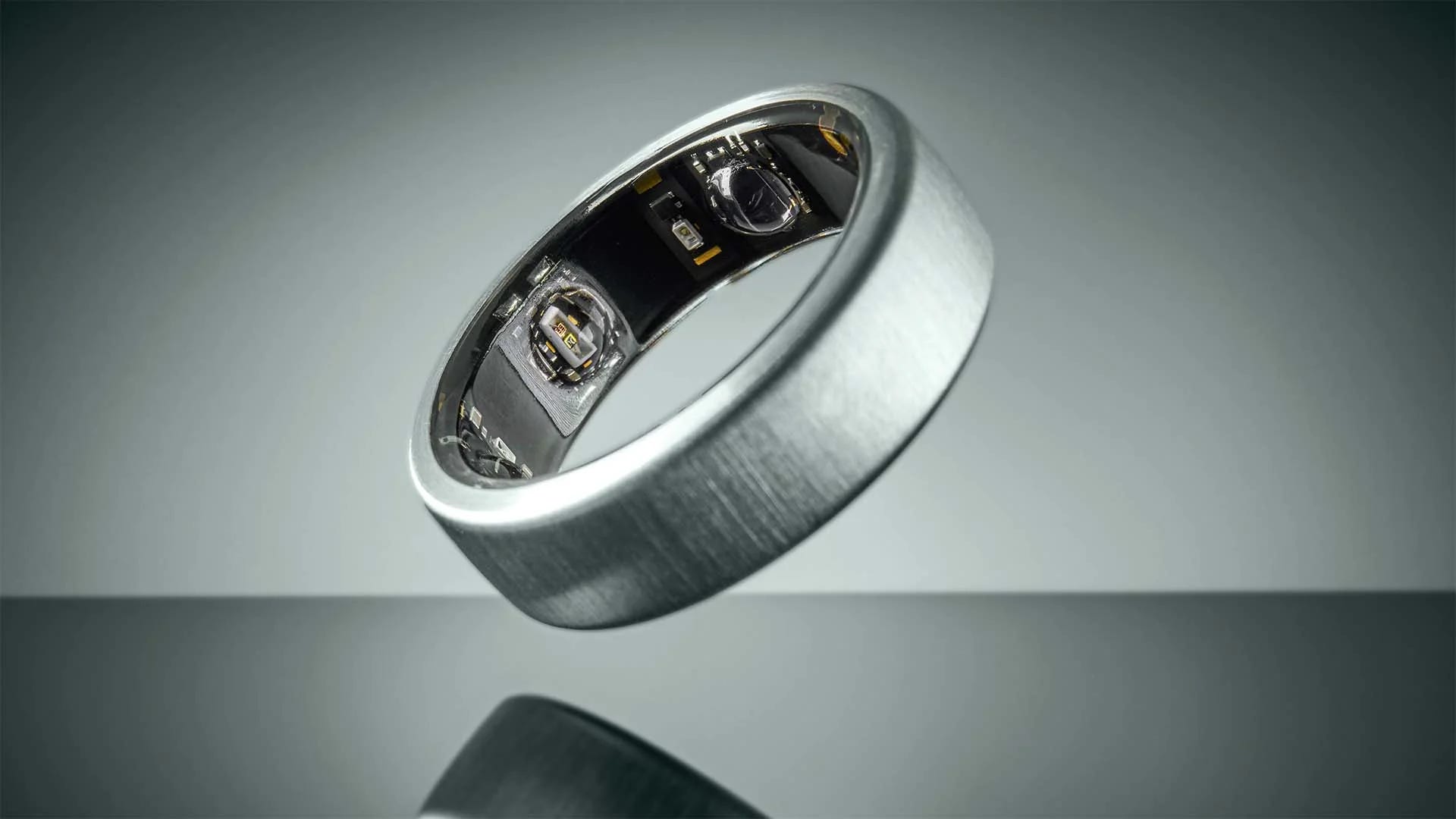
Smart-ring maker Oura is set to go public this month, so I read through its S-1 filing, and the numbers are impressive: $1.215 billion in revenue this year (+74% YoY), 5 million paying members (up from 2.5 million in 2025), 85% membership retention after one year, and hardware sales (80% of revenue) cover customer acquisition costs while subscriptions (20% of revenue) have 89% gross margins.
I assume we all know what Oura does. Founded in 2013, Oura sells smart rings that track everything from your heart rate and sleep to daily movement, stress, and reproductive health. Unlike an Apple Watch or Whoop, which usually sit on your wrist, Oura says it intentionally designed a ring rather than a watch because human fingers are highly vascularized, allowing the company to capture a signal up to 100 times stronger than from the wrist. As a result, Oura says it has achieved research-grade accuracy of approximately 99% for heart rate, 98% for heart-rate variability, 96% for ovulation tracking, and 96% for sleep tracking.
That sounds great. As consumers shift from reactive health to preventative and proactive health management, having 1,000+ patents for one of the world’s most accurate wearables is a valuable asset. But the better question is: Does that make Oura a good business? And more importantly, is that business worth $14 billion?
So for today’s newsletter, I’ve done a deep dive into Oura’s IPO. We’ll start by discussing how the company makes money, its margins, and its growth. But then I want to get into the fun stuff, including how many hours a day Oura’s customers wear the device, what percentage of customers eventually convert to paying subscribers, what share of the global wearables market Oura owns today, potential risks IPO investors need to watch out for, and whether the company is actually worth its lofty valuation.
Let’s get right into it.
Read more