

C atherine Babyre sits outside a gym in Uganda’s capital Kampala and waits for her daughters’ ballet class to end. The 34-year-old single mother usually uses this time on her cell phone for her online shop, where she markets skin creams and hair care products. But Uganda’s government last week shortly before the electionsthe Internet was switched off, even VPN applications were blocked. It was only partially restarted on Sunday. Social media platforms are still unavailable.
“My business basically came to a standstill,” sighs Babyre. “I usually post my products in the morning, customers contact me via WhatsApp, pay via mobile money transfer, and I order a motorcycle taxi via an app, which then delivers,” she explains. “So nothing works for me without the internet.”
Uganda’s five-day internet lockdown has severely damaged not just Catherine Babyre’s business, but the entire economy. Mobile money transfers via cell phones were no longer possible. These are now more popular than cash payments. “I just didn’t expect that,” says Babyre. She didn’t even have enough cash to buy her children something to eat.

This text comes from the weekday. Our weekly newspaper from the left! Every week, wochentaz is about the world as it is – and as it could be. A left-wing weekly newspaper with a voice, attitude and the special taz view of the world. New every Saturday at the kiosk and of course by subscription.
After all, since the Internet was already offline during the 2021 elections, she had VPN applications pre-installed, which at least now allows her to access social media again. “And the next shutdown I’ll have more cash on hand.”
Hard, even by Ugandan standards
Because the people in Uganda are actually prepared for such failures, says Babyre. And laughs a bit about the recent power outage in Berlin. “Many people in western countries don’t even know what it’s like anymore.” In Uganda, such outages occur once or twice a week, depending on where you live. More common in the rainy seasons because masses of water destroy the overhead power lines or cause the underground water pipes to burst due to pressure. This is why most businesses, hotels and supermarkets have diesel generators. Wealthy Ugandans have installed solar cells on their roofs. Cooking is done with charcoal or gas anyway.
Uganda’s electricity problems have been a problem for decades. In 2010, the country generated so little electricity that the government could only supply each district for a few hours per day. The population protested against this in 2011. Hydroelectric power plants were built on the outflow of the Nile from Lake Victoria. Now Uganda is even exporting the surplus to neighboring countries. The power still goes out because the network is dilapidated.

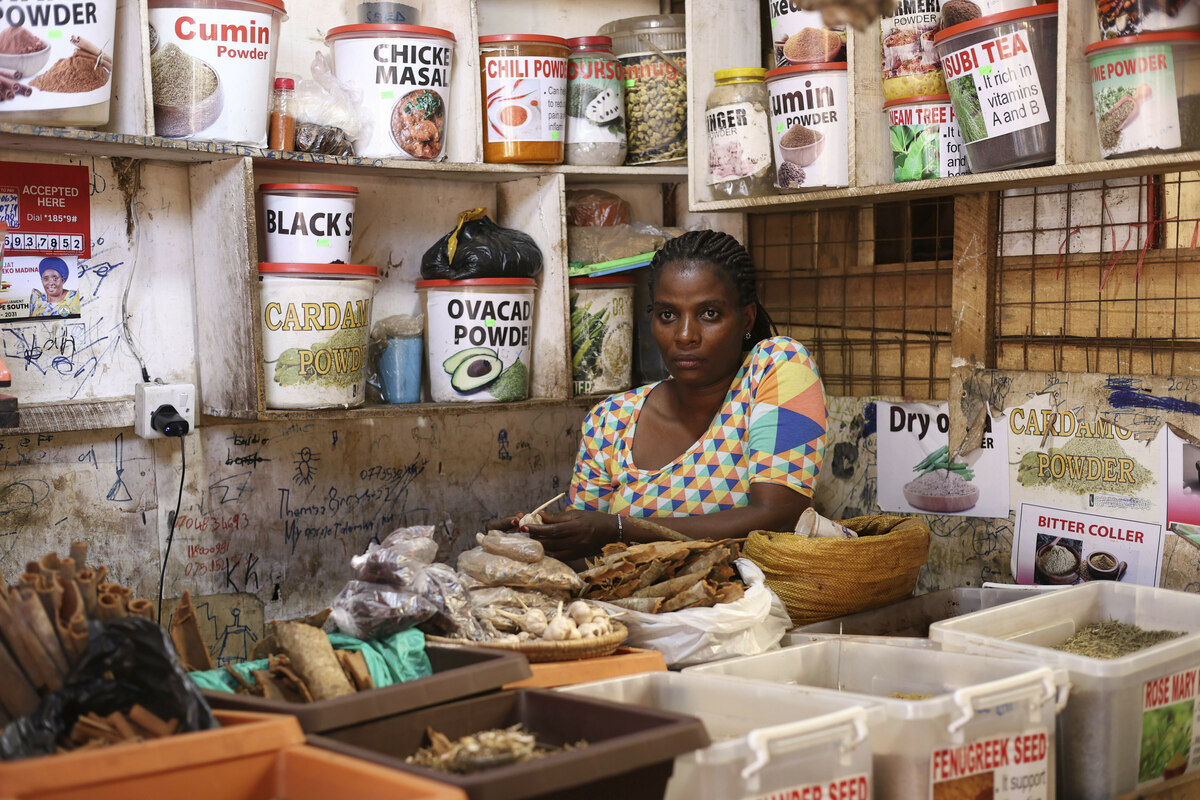
Make quick panic purchases: Uganda’s government ordered the internet to be blocked in Kampala on January 14, 2026
Photo:
Samson Otieno/ap/picture alliance
Last year, the government did not extend the concession of the private South African electricity company Umeme after 20 years. A state authority has taken over sales, but cannot keep up with repair and maintenance work. Once again the Ugandans are left in the dark. “You can deal with it,” says Babyre, pulling out her mobile power bank. She uses solar lamps at home and always has a few cans of water in reserve. “Recently the water pipes were cut off for two weeks due to road work,” she sighs. She then sent motorcycle taxis with canisters to the nearby well.
But last Saturday everything came together: the internet was already switched off. The water was gone in the morning and the electricity was gone by midday. “That was very tough, even for Ugandan standards,” says Babyre and smiles. Given climate change and increasing conflicts around the world, she adds, “we all need to be much better prepared for such scenarios.”