

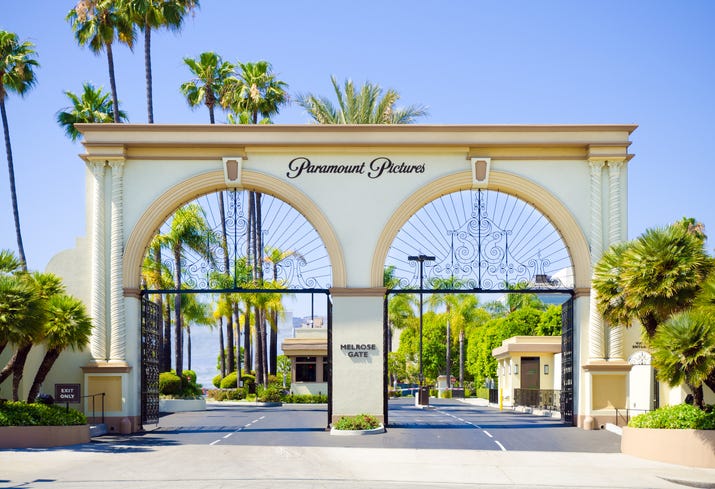
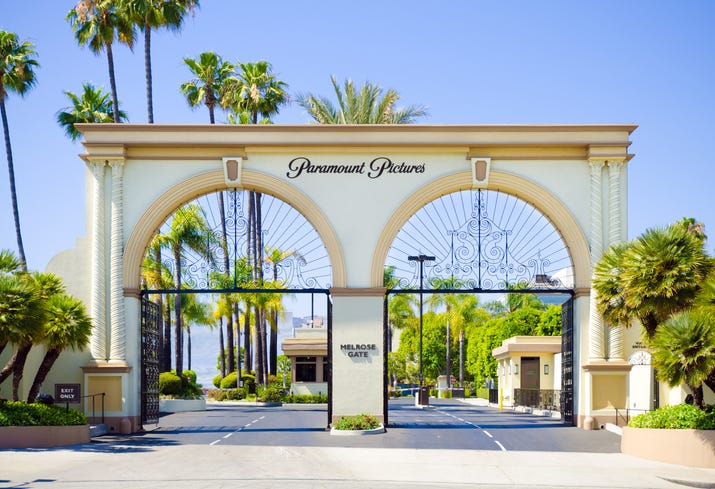
On Monday, Paramount struck a deal that will pave the way for its acquisition of Warner Bros. Discovery.
The agreement will put an end to an antitrust lawsuit brought by 12 state attorneys general, led by Rob Bonta of California, that could have potentially blocked the $111 billion merger.
“Let me be clear: This settlement is not a vote of support for this merger,” Bonta said in a statement Monday. “But we believe this settlement, which resolves our antitrust concerns in every market alleged in our case, protects competition and consumer choice, and puts workers’ needs, concerns, and futures first, is the best course of action.”
The deal will create an entertainment behemoth and will make David Ellison, son of Oracle co-founder and Trump ally Larry Ellison, one of the most powerful men in Hollywood. It will put CNN under the control of the same people who took over CBS News last year and threw a dinner “honoring the Trump White House” in April.
It will unite two of Hollywood’s oldest and biggest studios, Paramount and Warner Bros., three major streaming services, and more than fifty cable channels under the same corporate banner. The Paramount-Warner Bros. merger would almost certainly lead to thousands of job cuts as the companies eliminate redundancy in the executive ranks.
The Block the Merger Coalition issued a statement denouncing the deal:
“We vehemently oppose the agreement to allow David Ellison to take over Warner Bros. Discovery. This is a bad deal for the future of film, entertainment, independent journalism, and a strong democracy in this country. We are disappointed and angry that the interests of average Americans have been trampled to benefit oligarch billionaires.”
As part of the settlement, Paramount agreed to release 30 films a year, spend an additional $1.5 billion on domestic film production over the next five years, contribute $47.5 million to a fund for workers “displaced” by the merger, and establish a “News Editorial Independence Board to help CNN and CBS maintain editorial independence.”
Although the lawsuit focused on the entertainment side of the business, critics of the merger remain deeply concerned about the fate of CNN and the ongoing transformation at CBS News. CNN was kicked out of the White House press pool just last week and is now filing suit against the Trump administration. Meanwhile, Bari Weiss, who was handpicked by David Ellison, continues to make sweeping changes at CBS and its flagship broadcast 60 Minutes.
Bonta reportedly began to push for a settlement late last week, as Ellison threatened to move Paramount’s headquarters away from California, which has already seen a sharp decline in entertainment jobs in recent years (largely due to consolidation). More than 5,000 members of the industry signed an open letter opposing the merger.
Top California Democrats, including Los Angeles Mayor Karen Bass and Governor Gavin Newsom, have been publicly pushing for a settlement for weeks.
“The Democratic establishment in California has completely failed,” said Jessica J. Gonzalez, co-CEO of Free Press, a media reform organization that played a key role in the Block the Merger coalition, in an interview Monday. “They’ve capitulated to this company that is run by oligarchs who are tight with Donald Trump and who are willing to use their media empire to censor stories critical of the administration.”
In a statement, she said the deal “will cut jobs and raise prices” and “contains nothing but unenforceable, empty Paramount promises. It abandons the thousands of creatives and workers who risked speaking out, and the tens of millions of consumers the attorneys general should be fighting for.”
The statement continued: “Americans across the political spectrum are fed up with corruption and consolidation, and billionaires calling all the shots while everyone else struggles. People won’t forget who stood up for them and who capitulated.”
According to the antitrust lawsuit filed in July, the merger would eliminate competition between Paramount and Warner Bros. and “inflict substantial harm on movie theaters, basic cable distributors, and, ultimately, audiences nationwide.”
At a press conference in front of the Hollywood sign in July, Bonta warned that “audiences on every sofa and in every movie seat would feel the impact of this unlawful merger.” Just last month, he described Ellison’s threat to move Paramount out of the state as “blackmail.”
Connecticut attorney general William Tong, who was reportedly one of the last holdouts opposing the deal, issued a statement Monday saying that the state had “led the fight to the bitter end to protect the editorial independence of CNN and CBS News.”
“We fought aggressively for that remedy,” he said. “I am deeply disappointed that we could not do more.”
Meredith Blake is the culture columnist for The Contrarian