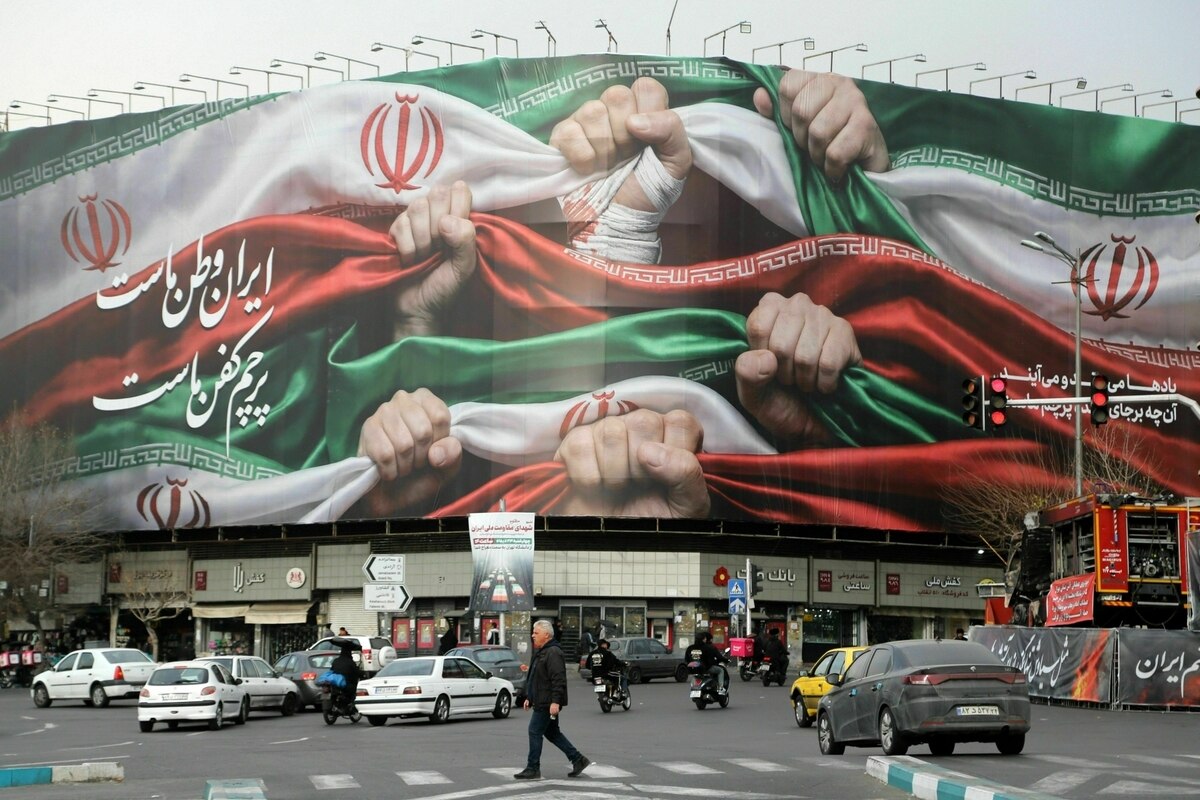
Siavash Shirzad is a Kurd from Bukan, a city in northwest Iran. On January 9, he stands in Punak Square in Tehran, amid nationwide protests against the regime. He and dozens of other people dance a Kurdish line dance. It is an open act of resistance against a state that systematically suppresses Kurdish culture.
The video of the scene is spreading rapidly on social networks. Now it is clear: security forces opened fire on the dancing protesters. Siavash Shirzad and other people were killed.
The human rights organization Iran Human Rights (IHRNGO) describes what has been happening on the streets of Iran for more than two weeks Mass murder. According to their latest research, state forces used heavy military weapons against civilians between January 8 and 11, including DSchK machine guns. Eyewitnesses report targeted attacks on fleeing demonstrators and shootings on the street.
At the same time, sources from numerous cities report massive militarization of public spaces. In Tehran, Karaj, Hamadan, Qazvin and other cities, curfews were imposed, streets were sealed off and freedom of movement was drastically restricted. In the evening hours, measures that IHRNGO describes as de facto martial law apply. Security and military forces patrol residential areas, checkpoints dominate the cityscape.
Especially young people
The number of deaths is difficult to estimate. According to information reviewed by IHRNGO, at least 3,428 protesters have been killed and thousands more injured since the protests began. The victims are predominantly young people, including minors and women. The organization believes the actual number is significantly higher.
Unconfirmed estimates put the number between 5,000 and 20,000 deadaccording to YOUR NGO. An independent review is currently almost impossible due to the ongoing complete internet shutdown. “The horrifying eyewitness accounts of protesters being shot as they fled, the use of military weapons and the killing of the wounded in the streets indicate crimes aimed at the mass killing of civilians,” said Mahmood Amiry-Moghaddam, director of Iran Human Rights. According to him, Supreme Leader Ali Khamenei and all institutions acting under his authority are responsible.
Parallel to the violence, repression on a legal level is escalating. According to IHRNGO, around 20,000 people were arrested in connection with the protests. According to public statements by the head of the judiciary, the leadership of the judiciary has called for accelerated death sentences against demonstrators. The Islamic Republic’s justice minister summarily declared the arrested protesters to be criminals.
US President Donald Trump claimed at his press conference that executions had been suspended and violence against protesters had stopped. Human rights organizations and activists are outraged by this statement and warn against mass trials without constitutional standards and the imminent threat of executions. According to the Abdorrahman Boroumand Center, more than 2,000 people were executed last year. Since the beginning of the year, 55 people have been executed.