

It’s Wednesday, November 11. This is The Front Page, your daily window into the world of The Free Press—and our take on the world at large. Today: Spencer Klavan on why AI developers should find God. Kat Rosenfield on a trove of texts from the Cornell 7 case. Eli Lake reports on the Hegseth impeachment drama. And much more.
But first: A Veterans Day essay by Aaron MacLean.
America was founded on ideals that breed heroism: individuality, ambition, courage, and freedom. On Veterans Day, we honor the fullest expression of those ideals: the soldiers who put their lives on the line to preserve all that is precious about our country.
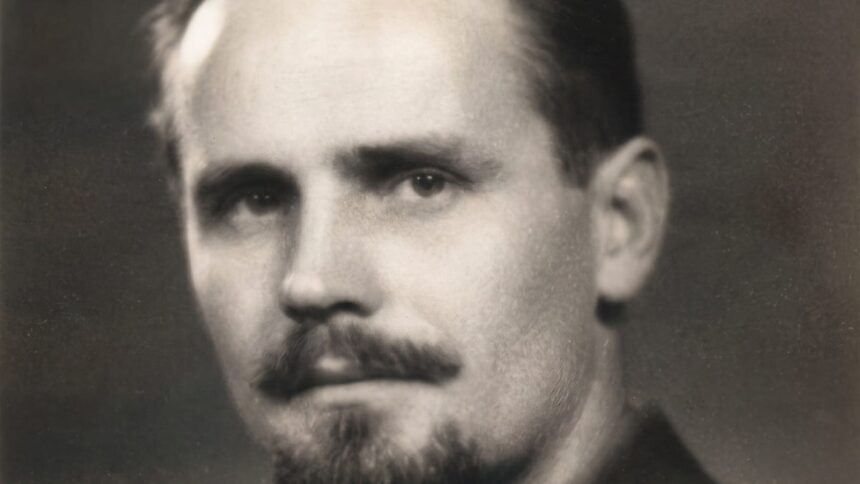
Aaron MacLean is a veteran himself. For seven years, he was an active-duty member of the U.S. Marine Corps, including one year as an infantry officer in Afghanistan. But when we asked him to write in honor of Veterans Day, he chose to tell the story of another American hero. Today, Aaron introduces us to Johann “Hans” Kasten, who fought in World War II, died in 2007, and will be honored next week at Arlington National Cemetery.
While being held as a POW by the Germans, Kasten was beaten for refusing to reveal which of his fellow American soldiers were Jewish. We are proud to bring you the story of this extraordinary man, just one of millions of heroes we celebrate today.
Johann Kasten is buried at Arlington National Cemetery. Next door at the Pentagon, Pete Hegseth is trying his best to survive an impeachment push and cling to his job as Secretary of Defense.
Yesterday, House Republicans managed to stop an effort to bring articles of impeachment against Hegseth, but the outcome was only a reprieve, with another impeachment vote likely in the new year. Meanwhile, ever since the midterms, Washington has been abuzz with speculation that Trump is going to fire Hegseth, the administration’s main salesman for the Iran war. Eli Lake explains why, paradoxically, the threat of impeachment may have bought Hegseth some time, as well as where the impeachment proceedings might lead.
—The Editors

The AI Pioneers Who Need God
Every week, ChatGPT receives more than 70 million prompts related to faith, scripture, and spirituality, according to new data from OpenAI. In other words, AI is an intermediary between many believers and God. But what about the faith of those people building our AI future? Spencer Klavan argues that faith needs to be the guiding light of Silicon Valley’s AI pioneers, many of whom believe in secular transhumanism, which views biological limits as problems technology can solve. Instead, Spencer writes, “We have to assert that our moral ideas aren’t just arbitrary preferences produced by our biology. They must be universal truths from a universal source.” Read his essay on why AI pioneers need God, the moral stakes of their transhumanist project, and why “without some kind of religious belief, they will probably make a mess of it.”
Some AI developers are already turning to the Catholic Church for guidance, according to Salvatore Cordileone, archbishop of San Francisco. Cordileone serves the city where some of the world’s most powerful AI systems are being developed. Today, he writes about what he learned in his sometimes heartening, sometimes scary conversations with AI workers—what he tells them, and the principles of faith it boils down to: strictly defining what is human, and protecting the most vulnerable among us.

MORE FROM THE FREE PRESS
THE NEWS
-
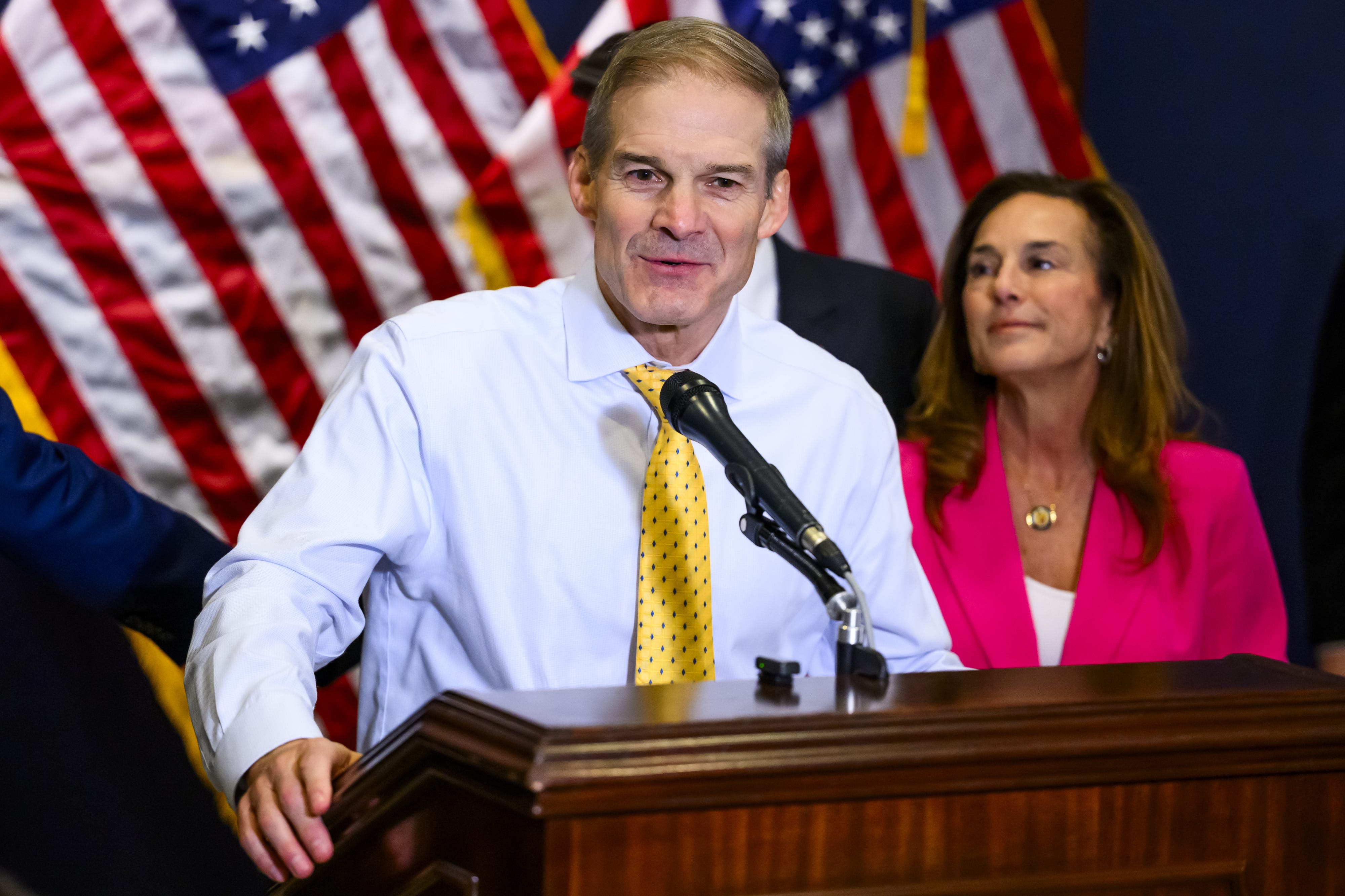
House Republicans on Tuesday elected Ohio congressman Jim Jordan to be the party’s minority leader starting in January, replacing Speaker Mike Johnson. Jordan, a close ally of President Trump, defeated Louisiana’s Steve Scalise, the No. 2 Republican, who has served in leadership roles since 2014.
-
“I know how much you love the American people.” So wrote Donald Trump in a letter to Joe Biden during his first week in office in 2021. The letter’s full text is revealed for the first time in Biden’s presidential memoir, Promise Me, America, being published next week. “You know, Joe, if it weren’t for politics, I believe we’d be good friends,” Trump told the new president, according to the book.
-
A federal judge is ordering New York City mayor Zohran Mamdani to share information with Immigration and Customs Enforcement (ICE) about some migrants with serious criminal records. The ruling puts the staunch ICE critic in a bind. If he complies, he will be collaborating with an agency he has publicly rebuked and threatened to sue.
-
California voters rejected a wealth tax at the ballot box in last week’s election, the Associated Press declared late Monday. The initiative proposed a onetime, 5 percent tax on the net assets of California billionaires, and would have raised an estimated $100 billion over five years to cover costs incurred by Trump’s cuts to Medicaid.
-
An American soldier suspected of spying for Russian intelligence was arrested in the United Kingdom, British authorities said on Tuesday. The reason for the arrest of the 41-year-old man concerns “allegations of espionage,” FBI director Kash Patel said.
-
Americans’ credit card debt soared to a record high this past quarter, topping out at $1.29 trillion, according to the Federal Reserve Bank of New York. The average credit card balance per borrower climbed to $6,678, according to another report.
-
Stanley Zabar, the pioneering grocer behind New York City’s iconic Zabar’s market, died on Monday at 94, a little over a year after his brother Saul. Read our collection of tributes published last year from Jerry Seinfeld, David Mamet, Richard Kind, Colin Quinn, and Leah McSweeney.