
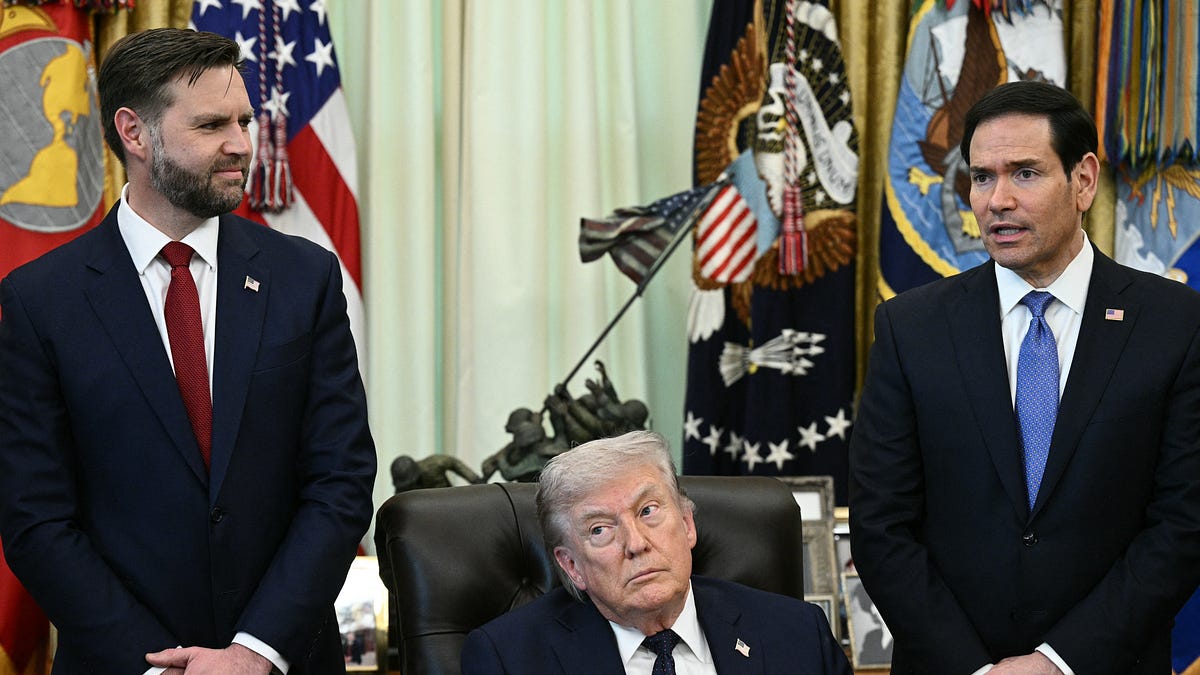
With Donald Constitutionally barred from seeking a third term, the 2028 Republican presidential primary field is already drawing intense interest from numerous high-ranking officials and prominent party figures. While many potential contenders hold key roles in the current administration or other public offices, their private political ambitions are actively influencing their public behavior and policy stances.
Vice President J.D. Vance occupies a complicated middle ground as a potential frontrunner. While backed by powerful donors like Peter Thiel and positioned as a natural successor, Vance must navigate between loyal primary voters and a general electorate that demands distance from Donald. Vance previously pointed to the ongoing war as a primary factor in midterm losses and suggested shifts in U.S. relations with Israel, though he later walked back perceived disloyalty by insisting there is no daylight between him and the president.
Secretary of State Marco Rubio brings an extensive foreign policy portfolio to a potential bid. Addressing the Federalist Society, Rubio recently issued a stern warning to the International Criminal Court against targeting Americans, invoking a might-makes-right philosophy that drew praise from hardline allies.
Outgoing Florida Governor Ron DeSantis, who mounted an unsuccessful primary challenge in 2024, is leaving Tallahassee after an eight-year tenure. DeSantis recently touted Florida's red-state resilience while warning that the erosion of conservative strongholds like Texas could threaten national viability, attributing recent Republican electoral setbacks to Washington-specific controversies.
Texas Senator Ted Cruz has openly acknowledged his ambition to run in 2028, viewing Vance as a primary rival. Cruz publicly rebuked Vance's post-election analysis regarding Israel during an address to the Jewish Leadership Conference in Manhattan, emphasizing continued support for Tel Aviv.
Media figure Tucker Carlson has also used his platform to stake out a distinct lane, appealing to the isolationist wing of the movement. Carlson has broken with the president over foreign conflicts, criticized U.S. foreign policy regarding Israel, and maintained ties with prominent right-wing figures while building a base outside traditional party structures.
Texas Governor Greg Abbott saw his standing altered following a defeat in November's statewide contests. Despite losing the governorship, Abbott retains strong ties with major donors like Elon Musk, for whom he recently unpaused air permits to greenlight a massive SpaceX data hub in South Texas.
A broad array of other figures are also weighing potential campaigns, including Robert F. Kennedy Jr., former Director of National Intelligence Tulsi Gabbard, conservative influencer John McEntee, former Secretary of State Mike Pompeo, and several sitting U.S. senators and governors such as Josh Hawley, Rand Paul, Brian Kemp, and Sarah Huckabee Sanders.