

Following the 2026 midterm elections, Bart Hutchins, the chef and co-owner of Butterworth’s in Washington, D.C., is navigating a transformed political and regulatory landscape. His restaurant, situated within walking distance of the U.S. Capitol, has spent the last two years as a primary gathering place for the MAGA movement. However, a significant Democratic victory and a new local mandate are forcing the establishment to confront a more hostile environment.
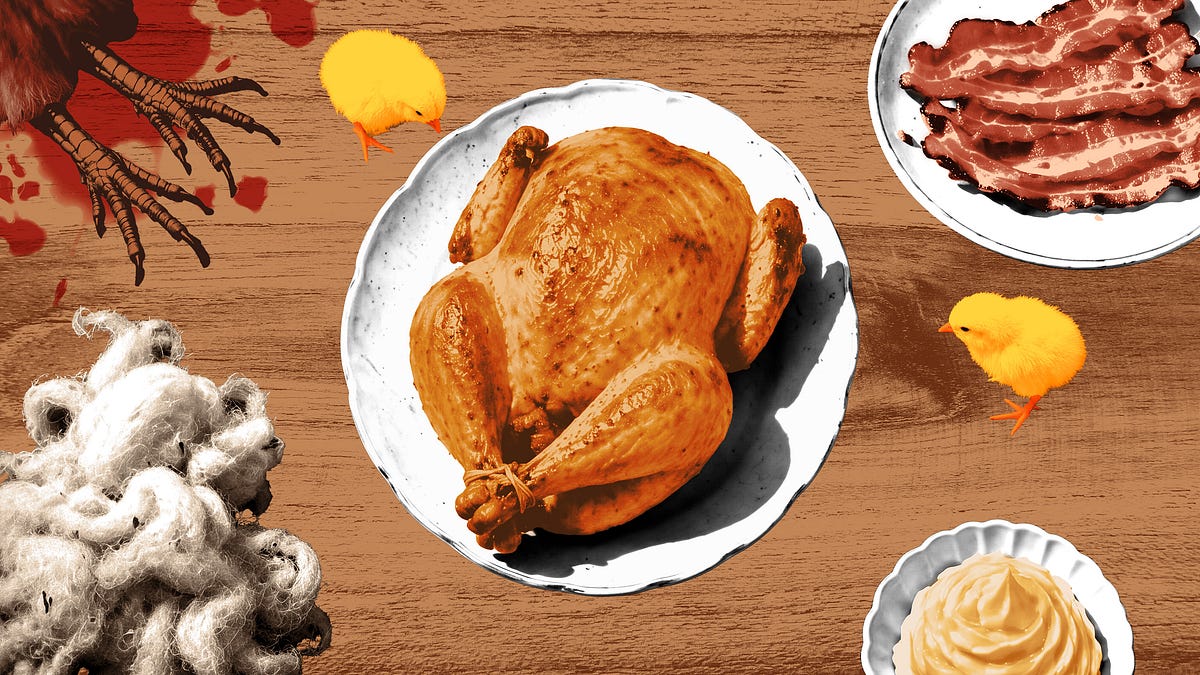
The election results, described as a blue tidal wave, coincided with the passage of Initiative 86 by District of Columbia voters. The ballot measure bans the production and sale of foie gras, a culinary staple made from the liver of ducks or geese that have been specially fattened. Hutchins emerged as a prominent voice against the measure, defending the traditional French delicacy against claims of animal cruelty.
The Battle Over Initiative 86
During the summer leading up to the vote, Hutchins took his defense of the industry to the pages of The Washington Post. In an op-ed, he argued that gavage—the process of force-feeding poultry to produce foie gras—is not as inhumane as animal rights organizations suggest. His public stance drew immediate and sharp criticism from the local community and potential diners.
Public reaction to Hutchins’s advocacy highlighted the deep political divisions surrounding his business. Online commenters labeled Butterworth’s as a "MAGA McDonald’s," while others expressed surprise at his position, stating they would no longer patronize the restaurant or host events there. This backlash mirrors the intense scrutiny faced by other public figures who find themselves at the center of cultural and political firestorms, much like the experiences of individuals such as Rachel Dolezal when navigating public identity and controversy.
A Canteen for the MAGA Movement
For two years, Butterworth’s served as an unofficial headquarters for Republican loyalists in the nation’s capital. The restaurant provided a space where members of the movement felt at home, a rarity in a city that leans heavily Democratic. The recent midterm losses for Republicans nationwide have now left the restaurant’s primary clientele with diminished influence on Capitol Hill.
The intersection of high-end dining and hardline politics has made Hutchins a target for activists who see the foie gras ban as both an animal welfare issue and a symbolic victory against the restaurant's political brand. Despite the legislative defeat and the sting of the election results, Hutchins remains a central figure in the D.C. dining scene, even as he faces a future without one of his signature menu items.
The shift in D.C. reflects a broader trend of political polarization affecting private enterprises. Business owners who align themselves with specific movements often find that their commercial success becomes tied to the fluctuating fortunes of those political factions. As the capital prepares for a new legislative session under different leadership, the survival of Butterworth’s will depend on whether it can maintain its identity or if it must pivot to survive in a city that has signaled its disapproval at both the ballot box and the dinner table.