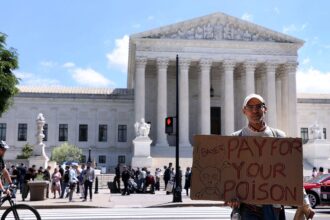
Steve Kronberg voted 10 years ago to legalize recreational marijuana in his home state of Massachusetts, hoping that it would lead to a boost in tax revenue and a “cleaner product” compared with black-market weed. “I thought it seemed like common sense,” he told me.
But next Tuesday, Kronberg, 63, will vote to make recreational cannabis illegal again. He plans to vote yes on Massachusetts Question 8, which would “prohibit the legalization, regulation, and taxation of the retail sale of adult recreational use marijuana” while keeping possession of small amounts legal.
Massachusetts was the sixth U.S. state to permit the sale of recreational marijuana. Today, weed is legal in 24 states—and the Bay State could soon be the first one to reverse course. Since the vote to legalize cannabis took effect in 2018, Massachusetts’ marijuana industry has generated about $10 billion in revenue and $2 billion in state and local tax revenue, according to the state’s Cannabis Control Commission. The 943 licensed marijuana businesses in Massachusetts range from small family farms and cannabis-infused gummy manufacturers to delivery couriers and posh retail shops.
Mark your calendars. The Free Press and 2WAY are teaming up for a real-time interactive election night special, November 3 from 8 p.m. ET until late. See you there.
But there have been problems, too. A Massachusetts General Hospital study found that psychiatrist emergency hospital visits among young people between 12 and 17 rose sharply after the sale of recreational marijuana became legal in Massachusetts. (Marijuana sales are legal only for people who are 21 and older.) A separate study found that hospital admissions for cannabinoid hyperemesis syndrome, a condition caused by heavy marijuana use that entails vomiting, nausea, and intense cramps and can last for days on end, jumped 1,350 percent after legalization.
Read more