

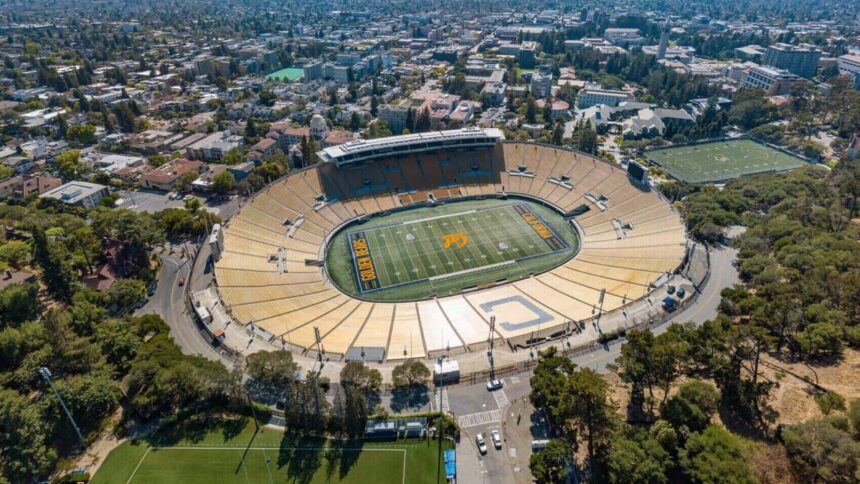
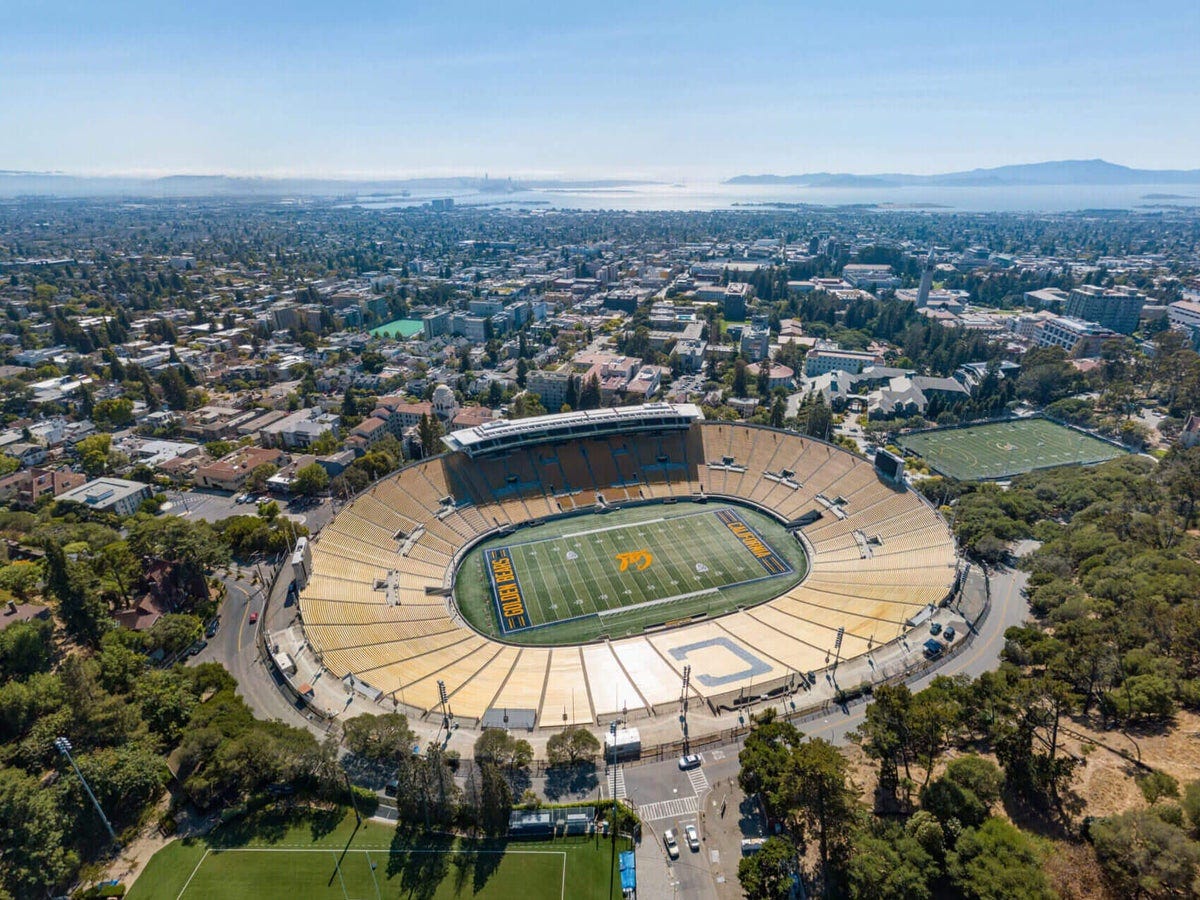
In 2021, Cal announced an agreement with FTX for the first-ever collegiate cryptocurrency naming-rights sponsorship. Cal agreed to rename its football field “FTX Field at California Memorial Stadium” in exchange for $17.5 million over 10 years. But instead of receiving that money in cash, Learfield, which brokered the deal between FTX and Cal, agreed to accept the $17.5 million entirely in crypto.
The logic was simple: FTX was a prominent cryptocurrency exchange, so by announcing the deal as the first-ever naming-rights sponsorship paid entirely in crypto, both FTX and Cal would get significantly more publicity. FTX was also worth $18 billion at the time and had received investment from blue-chip venture capital firms like Sequoia Capital and SoftBank. Learfield would immediately convert the crypto into cash upon receipt and then pay Cal its share in US dollars.
“We believe we have found a great partner in FTX,” Cal Director of Athletics Jim Knowlton said at the time. “FTX is a growing company at the forefront of innovation in an emerging technology, one that fits well at both Cal and in the Bay Area.”
Of course, we know what happened next. FTX went bankrupt. Sam Bankman-Fried went to jail, and Cal’s deal ended immediately. The school removed FTX’s name from its football field before the bankruptcy and court case were finalized.
This context matters because many people are now saying that Cal didn’t learn from its mistake. With its athletic department reporting a $24 million deficit for 2024-25 after moving from the Pac-12 to the ACC, Cal has tried to stop the bleeding by agreeing to another naming rights deal for its football field.
On September 24, Cal announced a new naming rights deal with Databricks. The financial terms have not been disclosed — reports indicate the deal is worth up to $22.8 million over as many as 10 years — but like the FTX deal, Cal isn’t receiving all of it in cash. The school is becoming a shareholder in Databricks. Or, in other words, Cal agreed to accept some of that $22.8 million payment in equity.
So is this another bad deal by Cal’s athletic department? Why does the school keep accepting illiquid currency? And why would a B2B enterprise software company even want the naming rights to a football field in the first place?
Read more