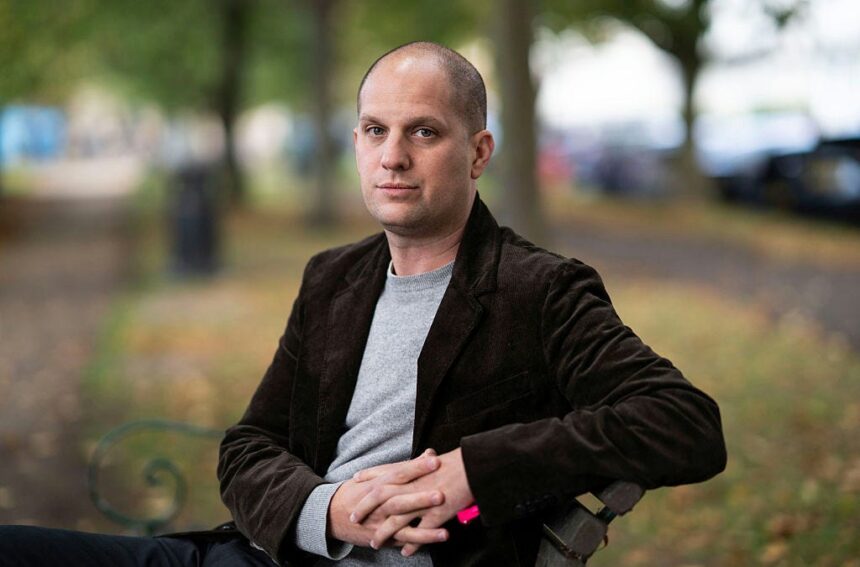
“Well, there’s nothing much I can do. I’m here, I can’t get out of here, and honestly, it’s interesting. I get to see the system from the inside. I’m a reporter, after all—a voyeur—and this is the ultimate voyeurism.”
That’s what Wall Street Journal reporter Evan Gershkovich told himself at the end of his first 24 hours in Moscow’s Lefortovo prison, where he landed shortly after the FSB, Russia’s primary domestic security and intelligence agency, arrested him on trumped-up espionage charges in March 2023. Then he turned on the TV in his cell and found a state talk show discussing his case. “As cynical as it sounds,” one host said, “we’ve replenished our [prisoner] exchange fund.”
The exchange itself came 491 days later, in August 2024, in the form of the largest prisoner swap between Russia and the West since the Cold War. Gershkovich’s account of those days, and of the country that took him as a bargaining chip four decades after his parents left it, is the subject of his new memoir, This Cursed Beautiful Land.
I spoke to Gershkovich this week, at a time when Moscow appears to be replenishing its exchange fund once again. On October 13, Russia announced it had detained a Japanese correspondent on the same espionage charge it used against Gershkovich. Four days earlier, Montenegro detained and promptly expelled a Kremlin-linked Russian war blogger. The same day, Dmitry Medvedev, the former Russian president who is now deputy chairman of the Security Council, wrote on Telegram that Russia would now likely have to “replenish the exchange fund from European and American morons to get back ours.”
Gershkovich and I talked about hostage diplomacy, the sting that led to his arrest, his life in Lefortovo, why he thinks Vladimir Putin genuinely believes he was a spy—and why he’s leaving the Russia beat.
Watch highlights from our interview below. And scroll down to read our conversation, which has been lightly edited for length and clarity.

Tanya Lukyanova: I want to start by getting your take on the recent news. Last week the FSB detained Yuki Imai, a 34-year-old Japanese correspondent, accusing him of gathering information on Russian servicemen for Japanese intelligence. The parallels to your story are uncanny. Like you, he was flown to Moscow, and he’s being held under the same espionage article, handed down by the same Lefortovo court. What do you make of this situation? Does this look like another swap in the making to you?
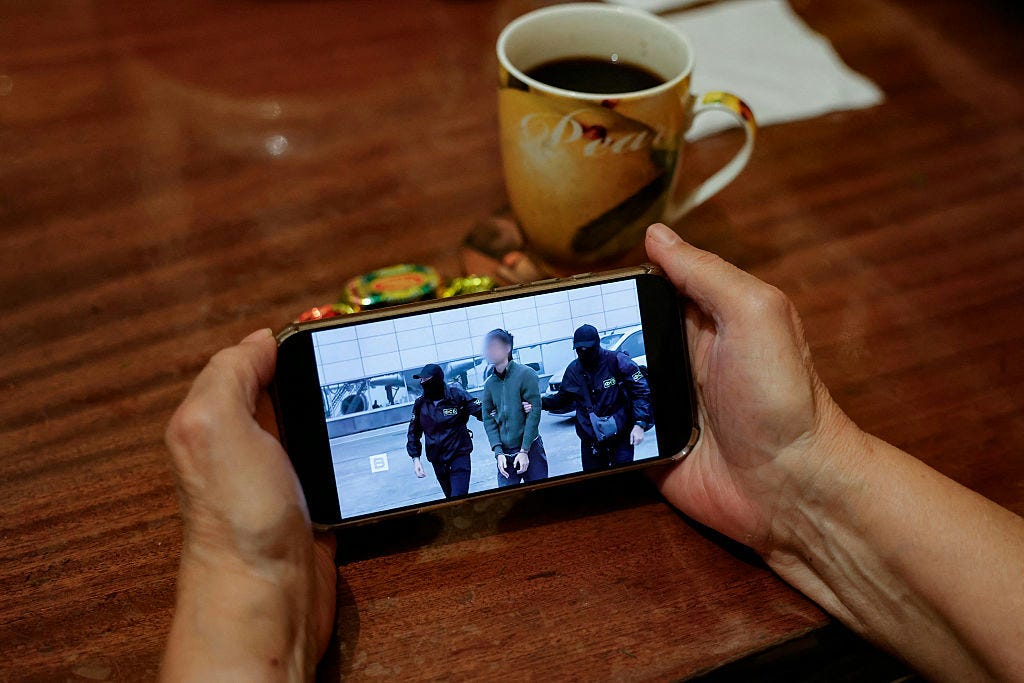
Evan Gershkovich: So I’ve been in touch with his family since this happened, and I’ve been speaking with the Japanese media. I think there’s a difference in Japanese society versus American society in terms of understanding what this is about. There’s a shock that his colleagues are going through right now in terms of understanding the concept of hostage diplomacy.
Read more