


In September 1787, on the last day of the Constitutional Convention in Philadelphia, Benjamin Franklin was approached by a woman who wanted to know what kind of government they’d decided on. He replied, famously, “A republic, if you can keep it.”
He might have added—and if you can stand it.
The ability to tolerate our fellow man has long been understood to be an essential ingredient of a free and open society. And yet a tolerant society can only protect and preserve itself by bringing its boot down on the face of intolerant ideologies, and the intolerant people who believe in them. This is the so-called paradox of tolerance. And it is a central premise of Fjord, a film by director Cristian Mungiu in theaters this month.
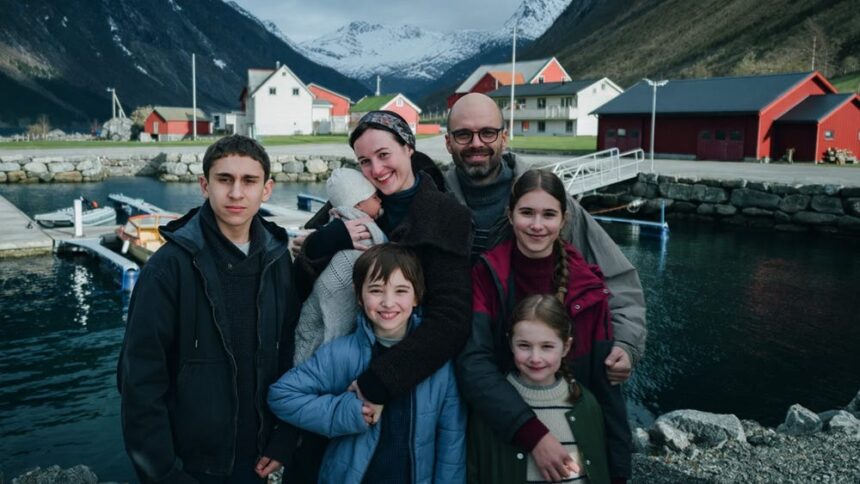
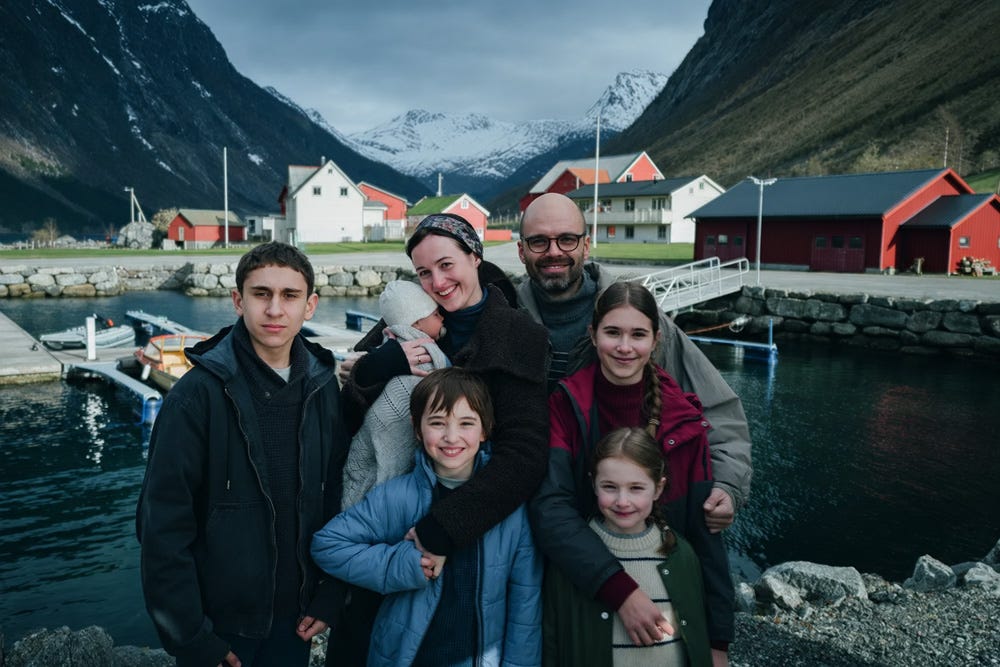
Based on a true story, the movie follows a devoutly Pentecostal couple, Mihai and Lisbet Gheorghiu, who emigrate along with their five children from conservative Romania to a remote village in liberal Norway, where Lisbet’s family lives—only to have their children taken away by the state, which objects to their traditional approach to parenting. Initially, the authorities claim that their investigation stems from credible allegations that the Gheorghius are beating the children by way of disciplining them. However, the ensuing trial reveals a deeper and thornier conflict, one between the religious values of the Gheorghius and the progressive ones favored by the Norwegian government—and becomes a microcosm for the frictions of cultural mixing in an age where welcoming immigrants has become a fundamental tenet of left-wing and progressive thought globally, but where the new arrivals often come armed with values, beliefs, and practices that make progressives profoundly uncomfortable.
Read more