


Nike’s stock just hit its lowest level in more than a decade. After reaching $177/share during the pandemic, Nike’s stock is now at $35/share. That’s an 80% decline in less than five years, and it might get worse before it gets better.
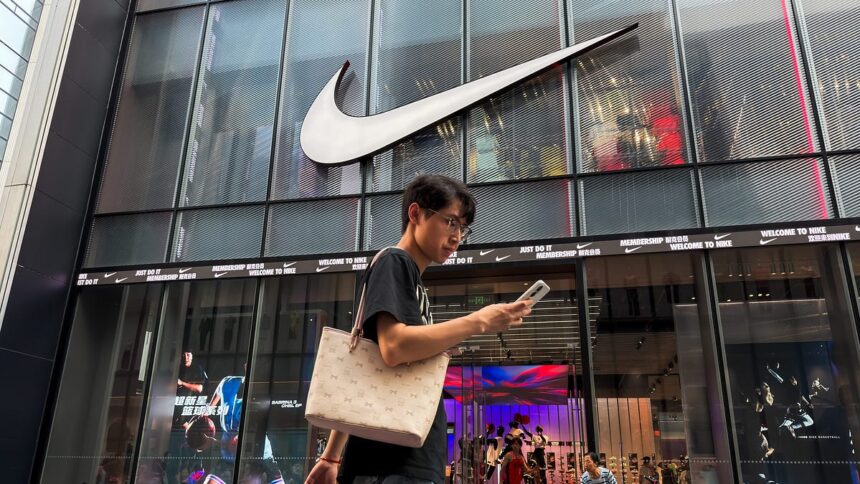
Just look at last week’s earnings report. Nike missed revenue estimates. The company announced another round of layoffs, and its China sales have declined by so much (30% since 2021) that Nike will no longer report data from the region.
What you’ll read online is that Nike has destroyed its business. Some will say the company went woke, while others blame the decline on a lack of innovation. But neither argument explains what has actually gone wrong at Nike. The real story involves a shift to digital, the Jordan Brand, China, and too many discounts.
Here’s what you need to know (explained in simple terms):
-
Nike’s biggest problem goes back to the pandemic. John Donahoe was named CEO. Donahoe served 5+ years on Nike’s board before the appointment, but he was really a tech guy (former CEO of eBa and ServiceNow + 20 years at Bain & Company). This context matters because Donahoe convinced Nike’s board to focus on improving margins. That meant selling apparel and shoes directly to customers. Nike told retailers it had been working with for decades to kick rocks. He removed product from their stores and forced customers to buy Nike gear online or at one of Nike’s own stores. The logic was simple. If Nike sells a shoe to a retailer for $60, that retailer will sell you the same shoe for $100. If Nike sells directly to customers, it collects the full $100. Expenses obviously go up because you now have to run stores and handle shipping, returns, and marketing, but you get the point. Profit margins improve, and Nike builds a direct relationship with its customers (think: data). This initially looked like a great strategy. Profits increased, and Nike’s stock hit an all-time high. But then the pandemic ended, and Nike faced a bigger challenge. The company underestimated how much its retail partners helped create demand. Retail partners replaced Nike with brands like Hoka, Brooks, and On Running. And since some shoppers simply walk into a store, try on several shoes, and then buy, Nike’s lack of presence in these retail stores meant another brand got the chance to make the sale. Nike is trying to mend these relationships now, but management says it will take several years.
Read more