


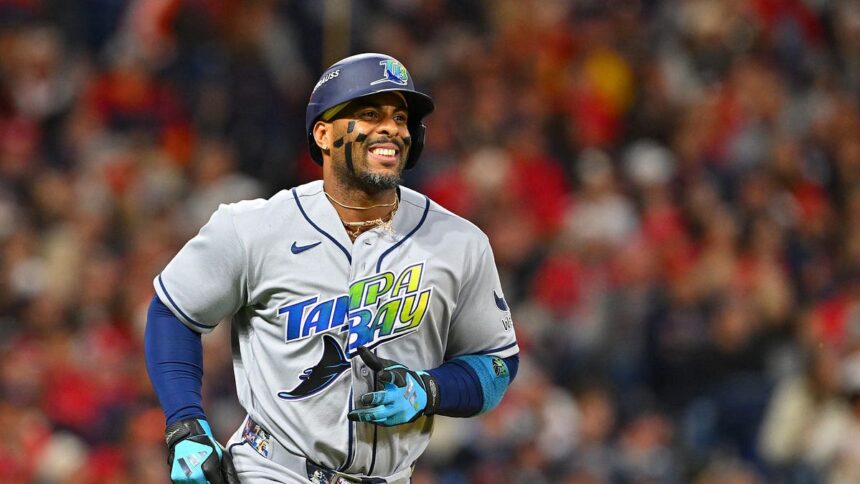
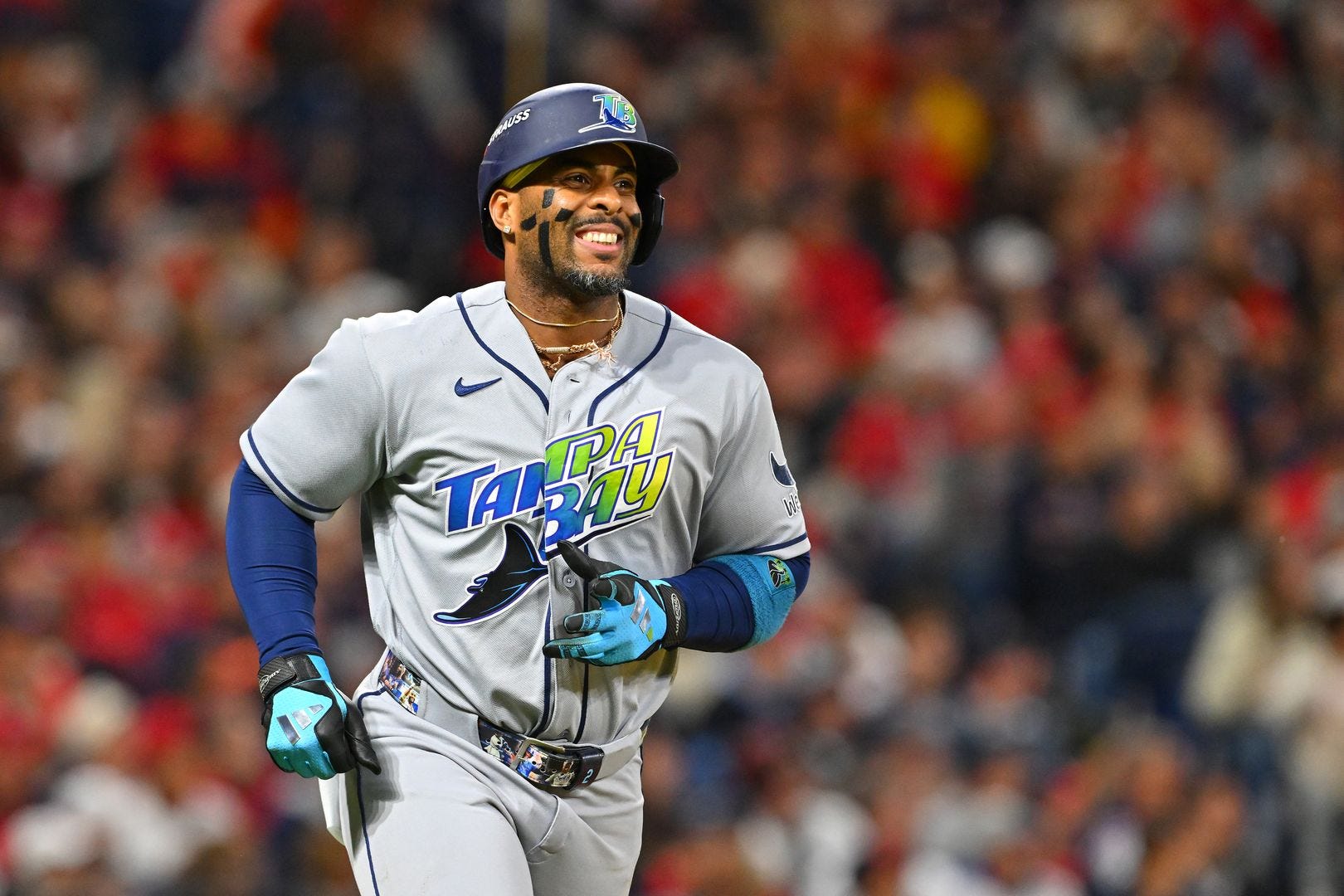
When Stuart Sternberg bought the Tampa Bay Rays for $200 million in 2004, many people thought he was catching a falling knife. The Rays were MLB’s least valuable franchise for a reason. They had lost more than 90 games every season since the team was founded, and the Rays had a payroll of just $30 million while teams like the Yankees and Red Sox spent around $125 million to $200 million.
The Rays were a disaster, plain and simple. They had the worst defense in MLB history. They couldn’t hit or get on base. Their stadium was terrible, and fans didn’t care. The business lost money every year, and the team had so much debt that Sternberg bought the franchise for just $50 million to $60 million in cash.
But then everything changed. Within just 3-4 years of Sternberg taking control, the Rays went from MLB’s worst team to one of its best. In 2008, the Rays won 97 games, beat the Yankees and Red Sox to capture the AL East crown, and went to the World Series with one of baseball’s youngest rosters. The Rays didn’t win the World Series that year, but a 31-win improvement in one season (66 wins in 2007 to 97 wins in 2008) is still the third-best single-season turnaround in MLB history.
So what happened? Well, Wall Street happened. Sternberg was an options trader who got rich when Goldman Sachs paid $6.5 billion for the Wall Street firm where he was a partner. Sternberg liked the idea of buying MLB’s worst team because of its financial upside. But he didn’t want to just sit back and let seasoned baseball executives run the show. That clearly wasn’t working. Instead, Sternberg sought to apply the same math and risk-based principles that made him rich to baseball.
Sternberg began his ownership tenure by hiring 29-year-old Matthew Silverman, a junior investment banker who worked for him at Goldman Sachs, as the team’s president. Andrew Friedman, Silverman’s high school classmate and a private equity investor who had never worked for an MLB team but played fantasy baseball, was then hired to run baseball operations for the Rays at just 28.
It’s not hyperbole to say that no one thought this would work. But it did. And it didn’t just work; the same approach, ideas, and concepts the Rays used in the mid-2000s to find inefficiencies are still used by MLB’s smartest front offices today. In fact, that’s precisely how the Milwaukee Brewers and Tampa Bay Rays made it to this year’s World Series, despite ranking 19th and 27th in payroll, respectively.
Let me explain…
Read more