

taz: Shortly after the fall of the Assad regime in Damascus, you told the taz: “This nightmare is finally over.” Has the interim government now become the next nightmare for you?
Siruan Hossein: No – but the warning signs are there. For me, the fall of the old regime was the end of a system that had been based on fear, violence and exclusion for decades. As a Kurdish-Syrian journalist, today I see a central government that is stuck in old ways of thinking: centralism instead of partnership, security logic instead of political dialogue, return of control instead of recognition of diversity. This raises legitimate concerns. Whether this becomes a “new spook” depends on whether the central government is prepared to allow real change: an inclusive national dialogue, constitutional guarantees for all components and a decentralized order that respects local societies.
taz: Straight The forces of the interim government are moving deeper and deeper into areaswhich were previously controlled by the Kurdish-dominated SDF. This shifts power to Damascus.
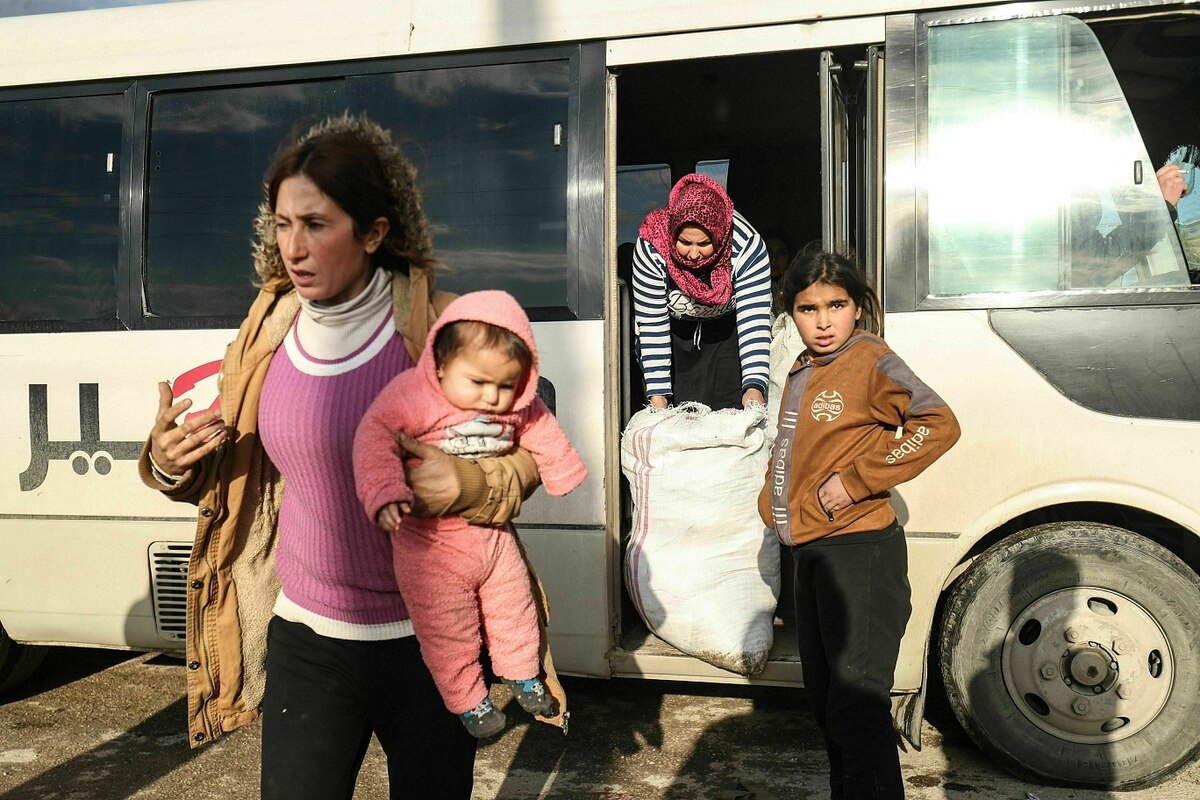
Siruan Hossein: Many now feel so threatened that they take up arms – out of the feeling that they have no other choice. It is a reaction out of fear – to that, what they saw on the coast among the Alawites, in the south with the Druze. Many families have left the city of Hasakah and fled towards Qamishlo and Amude. People are tired of war and want stability, but not at the price of new violence.
Siruan Hossein
is a Kurdish-Syrian journalist and lives in Germany and northern Syria. There he founded the radio station Arta FM in 2013, which reports in Kurdish, Arabic, Aramaic and Armenian.
taz: The government troops have so far taken the areas of Raqqa and Deir ez-Zor, and are now advancing into Hasakah. What does that mean?
Siruan Hossein: The Kurdish-controlled region in northeastern Syria symbolized something that hardly exists in the country anymore: Freedom of womenethnic and religious diversity, a certain degree of self-organization. The concern is that not only territory is being lost, but also a social model that has been painstakingly built. That’s why the mood is so tense: It’s not just about cities or front lines, but about the question of whether this region will continue to be a place where different communities can live together – or whether it will experience the next chapter of violence, displacement and fear.
taz: Speaking of living together: There was also repeated criticism from the Arab population under SDF control.
Siruan Hossein: Living together was never without conflict. Particularly in regions such as Raqqa and parts of Deir ez-Zor, Arab tribes have repeatedly complained that they did not feel sufficiently involved. These allegations must be taken seriously and are part of an honest balance sheet. At the same time, one must take the context into account: These areas came from the brutal rule of IS and were largely socially, economically and institutionally destroyed. In such a situation, it is extremely difficult to create security and build civil structures at the same time. Mistakes were made.
taz: What should have been done differently?
Siruan Hossein: The SDF and the self-government should have handed over power to local actors earlier and more consistently. In many Arab-dominated areas, the impression remained that key decisions were not made locally. In addition, problems that were actually social or political were treated militarily or administratively, which increased mistrust. Where there was abuse of power, discrimination or misconduct, quicker, transparent consequences would have been important to maintain credibility. Finally, more attention should have been paid to local identities, narratives and needs.
taz: The self-administration and the SDF were long considered partners of the Western states. What do you expect from them now?
Siruan Hossein: I expect that the USA and Germany will not only act based on naked interests, but will also take the protection of common values seriously. It’s about more than power and stability: about peaceful coexistence, diversity and the freedom of women. What is needed are clear red lines: protection of the civilian population, no massacres, no expulsions, no radicalization. If Rojava fails, it will not be because the idea was wrong, but because it was not protected.