

Come on, move, because the night is ahead of us,” AZ-YL croones into the microphone. She is small and dressed in a huge fur coat, behind her is a line of rappers on stage who nod in time to the song. Everyone is wearing baseball caps, baggy pants, mustaches, mullets and thick sunglasses – the classic Gen Z look.
AZ-YL’s actual name is Agatha Zygmańska and is part of the rap collective Natura2000. This evening a few weeks ago she was in Warsaw to perform as part of the Hidden Gems concert series. Natura2000, the five-member collective from Poznań, is part of a young, up-and-coming scene of Polish hip-hop heads. What they all have in common: a light-footed sound with catchy beats and rhymes about partying, your own youth and the beautiful sides of life. Her style is known as “matcha rap” in Poland.
The density of talent making a name for themselves in the Polish music scene with this special type of hip-hop sound has led critics to debate whether this is already a new subgenre. The hip-hop meme site “HIB HOB The Natura2000 collective is also there.
But what makes matcha rap so special? Is it just short-lived hype or a blueprint? And what role does it play that the young, largely unknown artists are using their music to change the Polish rap scene, which has so far been strongly influenced by patriarchy?
The albums:
Natura2000: “Ostatni Mixtape” (no label) 6.2.26 live in Gdansk
Hubert: “Colorful Houses” (Def Jam)
Taco Hemmingway: “Trójkąt Warszawski” (Taco corp) 8/05/2026 live in Wroclaw
Matcha has also been the trend drink in Poland in recent years. There are cafés that offer it on many corners, not just in big cities. It is particularly young, hip-dressed people who can afford to drink the tea drink, which actually comes from Japan. The tea comparison is certainly correct; matcha rap is a Tiktok trend that will soon fade away, some critics predict.

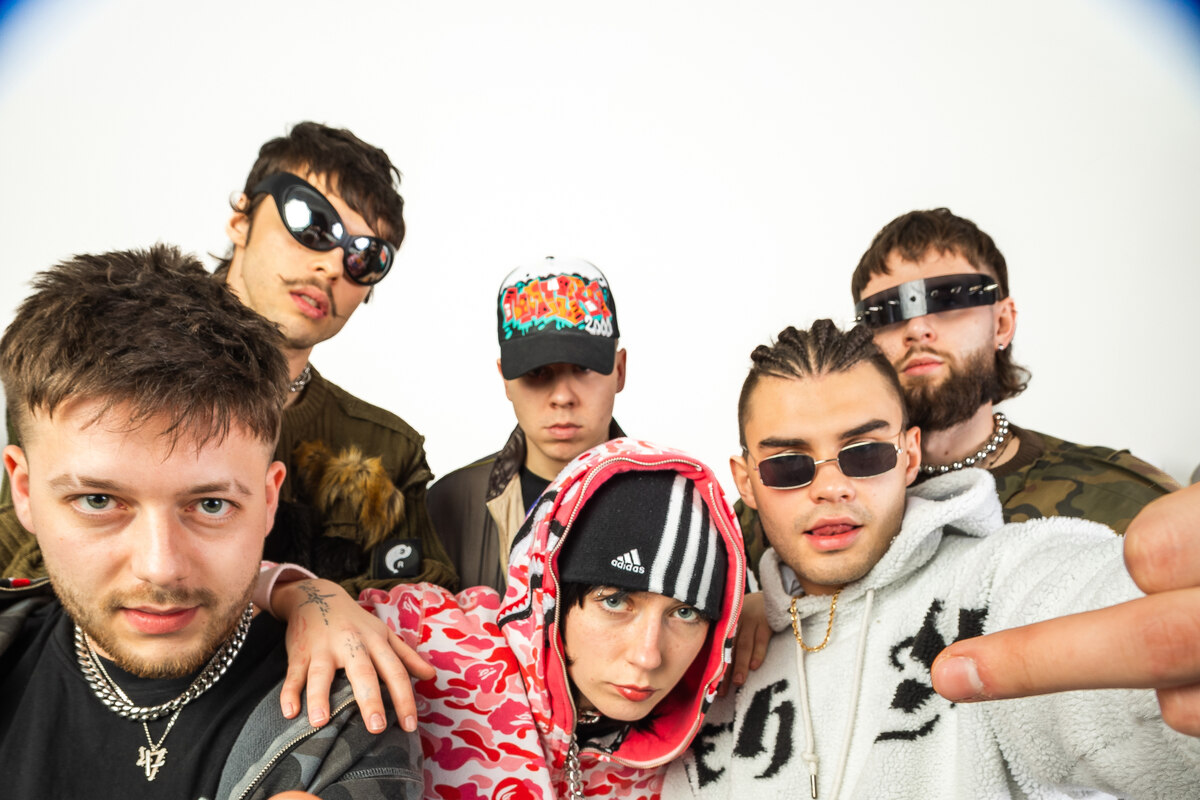
It doesn’t always have to be profound
Zygmańska doesn’t mind that her collective’s music is referred to as matcha rap. “I know a lot of fellow artists who are annoyed by this. But if it’s simply about music that you have fun with, then I don’t understand the negative attitude towards it.” The accusation that the rhymes of matcha rap are not very profound rubs off on the 22-year-old. “We make music that you can dance to and have a good time doing. And if I ever have a serious topic on my mind, I can always make my own rhyme about it and realize myself that way,” says the artist.
In addition to criticism, Zygmańska also experiences a lot of support from the scene for her music, but there is often a lot of envy from outside. “It’s so easy to produce 15-second snippets on Tiktok and be celebrated as a one-hit wonder. This also attracts people who only make music for the money,” she says.
One of the Polish artists who has become famous in recent years, especially through social media, is Hubert. He is one of the most famous matcha rappers. Hubert comes from Poznań – just like Natura2000 – and was part of the Hidden Gems concert series. One of his most popular songs with 18 million streams is about special mixed drinks, so-called Malibu mixes, cannabis and pretty women also appear in his songs. “Today we just wanna have fun / Cotton Candy is all our joints / Two hits and I’m gone.”
Visit to Tempelhof
In his song “Tempelhof,” Hubert immortalized his visit to the German capital: “She feels me in this cardigan / I’m losing my ID cards / It doesn’t matter / I’ll take care of it in the morning.” Hubert’s Rapsound definitely falls on the softer and more relaxed side of Polish hip hop. He is also part of a change that began some time ago.
Polish hip hop developed as a direct reflection of Poland’s political transformation after 1989. In their texts, the rap pioneers critically described the social consequences of the system change: economic insecurity, mass unemployment and a lack of prospects. There was open discussion about drug problems, poverty and the collapse of the old industrial culture. As elsewhere, rap became the mouthpiece of those who suffered from the system change in the Eastern European country.
From the 1900s onwards, a second Polish hip-hop generation emerged that had already grown up with no direct memory of communism. Through one of the most famous artists of the time and a forerunner of matcha rap, the focus shifted from survival to questions of modern precarity: Taco Hemingway rappte about insecure employment contracts, rising living costs and consumer pressure.
At the same time, new class experiences came to the fore: With “Patointeligencja” the rapper Mata impressively and successfully describes the wealthy upper class with pressure to perform, emotional neglect, addiction and mental crises. Polish rap now became a forum for the concerns of a less precarious but internally torn young society.
“Rap is always a mirror of society, so it is not surprising that there is currently a lot of talk about less macho music,” says Wojciech Kubus. He is doing his doctorate at the University of Poznań on the change in male stereotypes in Polish rap. “The confrontation with one’s own masculinity has also been taking place in the sphere of rap for some time.” As an example, he cites Taco Hemingway’s lines from the song “Men Don’t Cry” (2019): “Boys, know that you’re allowed to feel / Fuck the macho culture, boys / Learn to use words.”
Overwhelmed while growing up
Growing up without a father figure and being overwhelmed by one’s own feelings as an adolescent are topics that are now being discussed more frequently. According to Kubus, the corona pandemic has also led to an upsurge in young talent, as rap can now be easily produced using home recording Crisis period between 2019 and 2022 influenced many young people in isolation.
Zygmańska is also pleased that Polish rap has become more stylistically and thematically diverse over the years. “It touches me to see how men now feel like they can talk about their fears and worries in songs.” But so far, matcha rap – like the artists who paved the way – shows that the diversity of topics does not necessarily go hand in hand with a greater diversity of artists.
“I get a lot of support from my colleagues, but I also see that rap in Poland is still male-dominated. There are more men at the concerts, my audience is predominantly male.” She is all the more pleased about the attention that her fellow artists are receiving. One of them is Bambi. The 21-year-old sings and raps to trap beats and just last year received the award for best female rapper at the Polish Hip Hop Awards 2025.
“Debates about marginalized groups, the rights of queer people and women in Poland are now being held more frequently and more visibly. All of this contributes to the fact that local rap sounds more diverse and modern,” says Kubus.
Nevertheless, matcha rap is not yet an independent genre for him. “Melodic hooks and easy-going rhymes from vulnerable rappers are not a new phenomenon. A lot of things are musically reminiscent of cloud rap“, explains Kubus. Artists like Hubert, Taco Hemingway and the Natura2000 collective still benefit from the attention they receive through a supposedly new attribution – and from the zeitgeist that currently seems to be on their side.
Kubus fears that the increasing popularity of nationalist forces in Poland could sooner or later be reflected in music and that in the future there will be an increasing number of rappers who propagate conservative views and traditional images of masculinity.