

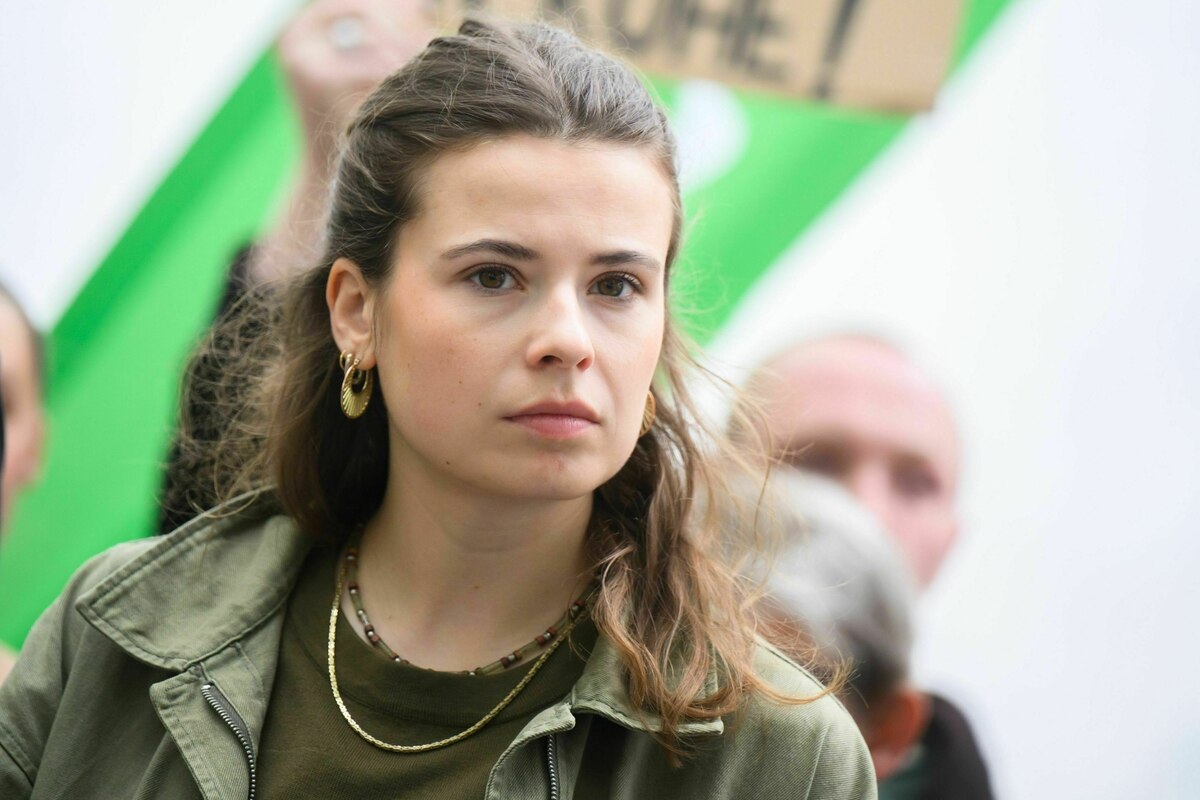
“The world isn’t doing really well” – that’s how Luisa Neubauer wants to convince more than a thousand students that it’s important to talk about climate change. The climate activist sits in front of an impressive backdrop of gigantic icebergs on the sailboat “Malizia Explorer” in the middle of Antarctica. The students who are listening to her, on the other hand, are sitting on Lake Constance, in Hamburg or Berlin and have joined in on the “Ice Classroom” via Zoom. The approximately 1,300 Zoom participants also include Kika moderator Tobias Krell, who, as Checker Tobi, is the face of a knowledge program of the same name.
He first brings Luisa Neubauer and the freelance journalist Lea Wowra into the virtual lessons. The two should explain the special features of Antarctica to children in a child-friendly manner from the sailing ship, but also talk about the personal impressions of their trip. They report that it is currently summer there and that it doesn’t get dark at night.
Child-friendly is the keyword here, because the activists, journalists and scientists have tried to create a child-friendly format on climate change. The whole thing takes place during normal class time and does not rely on students still having the energy to deal with climate change after a strenuous day at school.
Birte Lorenzen-Herrmann, a former teacher and now head of the “Malizia Explorer” educational program, praised the children in the Zoom call take an important step with their interest in the ocean and climate. This knowledge is necessary in order to be able to do something about climate change. The invited guests talk about the humpback whale and the sounds of the glacier. There is surprisingly little space for one thing: how bad things actually are in Antarctica.
The drama of the climate crisis is not made clear
It is certainly interesting that the glacier “really rumbles” at night, as Neubauer says, or that the earwax of the humpback whales provides insights into their travels, their health and their environment, as Wowra reports. But no one mentions the fact that Antarctica’s glaciers are losing volume at a record pace and that the Antarctic ice cover reached its third lowest area maximum since measurements began this September in class.
Wowra and Neubauer warn that melting ice could cause sea levels to rise worldwide. But they do not make this abstract danger concrete: that Islands sinkcities flooded and Storm surges even more dangerous become.
In addition, Neubauer tries to mimic the choice of words and tone of a child. This is irritating given that some of those listening are 14- to 15-year-old teenagers, while others have only just learned their multiplication tables in second grade. Creating a learning format “for all age groups” – this is the self-imposed goal of the “My Ocean Challenge” initiative, which is behind the Antarctic classroom – is an ambitious task.
The organizers certainly didn’t want to scare the children listening. However, they have fallen into a slightly exaggerated positivity that does not do justice to the dramatic situation. You can definitely trust children to be serious – it would have been necessary here.