

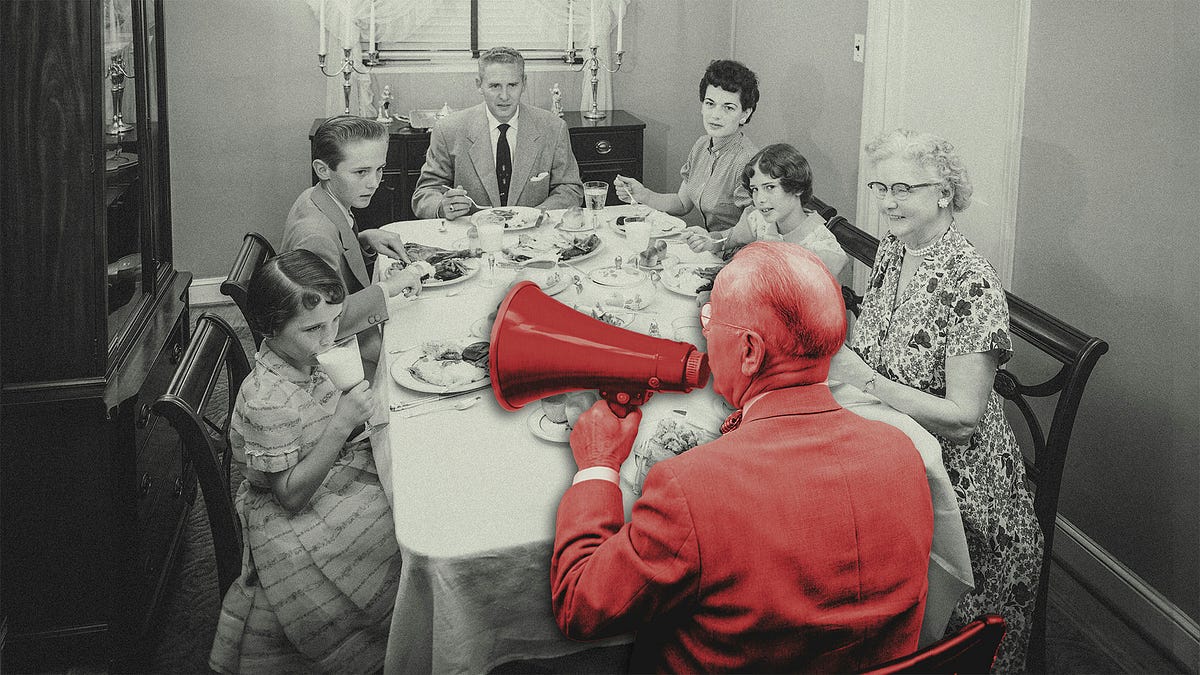
A study conducted by researchers at several American universities indicates that maintaining relationships with negative individuals may have a direct impact on physical health and the speed of the human biological clock. The findings, published earlier this year, suggest that the presence of emotionally taxing people in a person's life is associated with increased inflammation, higher body mass indexes (BMI), and more severe symptoms of depression.
The Biological Cost of 'Hasslers'
To determine the physiological effects of social stress, researchers surveyed a group of adults in Indiana regarding their close personal relationships. The team then analyzed saliva samples from the participants to calculate their biological ages using DNA-based markers. The study specifically focused on what researchers termed ‐hasslers‑—individuals who are consistently negative or emotionally draining.
The data revealed a measurable link between these difficult social connections and the rate of aging. According to the research, every additional negative person identified in a participant's social network was associated with a 1.5 percent increase in the estimated pace of biological aging. On average, those with more negative social circles were found to have a biological age roughly nine months older than their chronological age.
Frequency and Proximity Matter
While holiday gatherings often involve navigating difficult family members, the study clarifies that the most significant health impacts come from frequent and intimate associations. A single annual encounter, such as redefining the Thanksgiving table beyond the traditional turkey dinner to avoid a specific relative, is less likely to cause long-term biological damage than a daily interaction.
The researchers noted that the highest risks are posed by people who are difficult to avoid without incurring a high social or personal cost. This group typically includes roommates, immediate family members, and professional colleagues. Because these individuals are integrated into a person’s daily routine, their emotional negativity can lead to chronic stress that manifests as physical decline.
Beyond Mental Health
The study emphasizes that the feeling of being drained by a ‐downer‑ is not merely a psychological phenomenon but a physiological one. The biological markers used in the study show that social environments can influence the body's internal clock just as much as lifestyle factors like diet or exercise. While traditional news often focuses on festive events, such as when the president plans to spare two turkeys from the holiday dinner table, this research shifts the focus to the long-term health implications of the people sitting around those tables.
By identifying ‐hasslers‑ as a risk factor for faster aging and worse mental health outcomes, the study provides a scientific basis for the physical toll of toxic relationships. The findings suggest that the social network a person maintains is a critical component of their overall healthcare and longevity.