

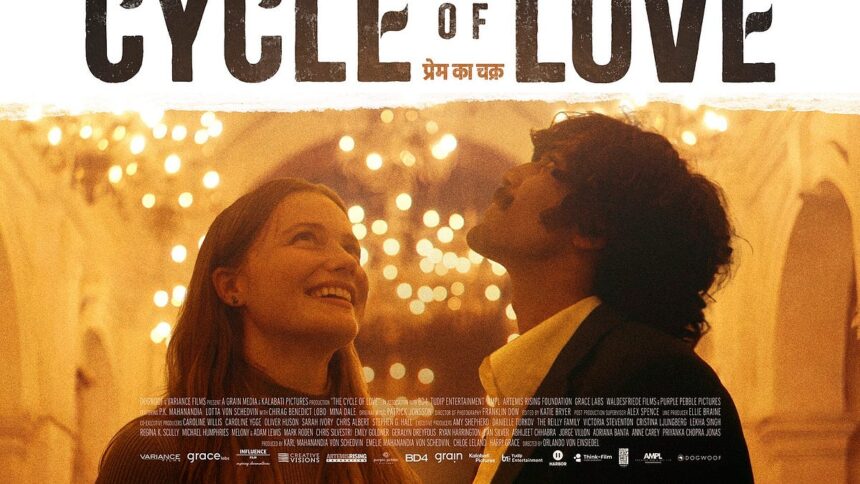
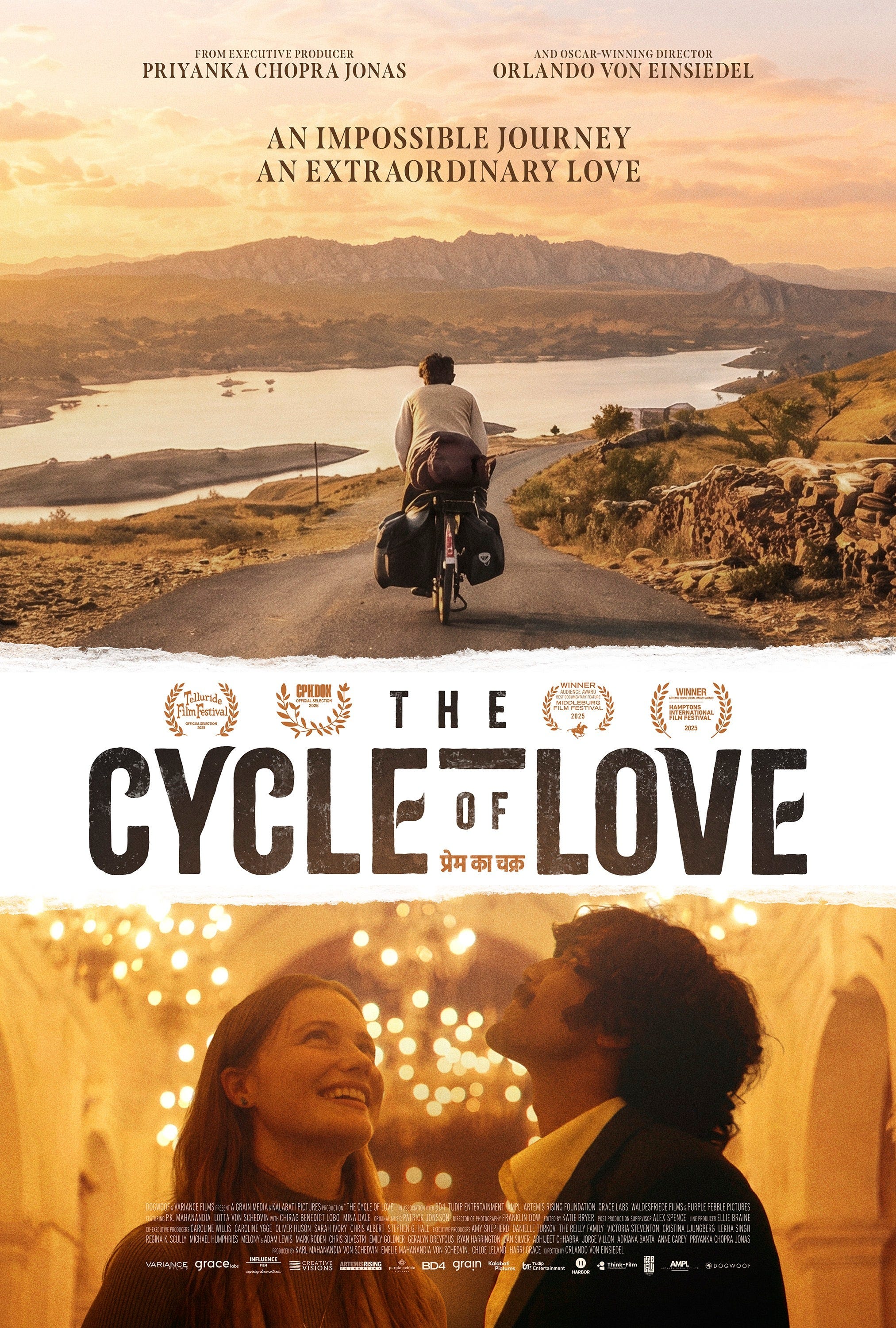
I was so moved by The Cycle of Love, the luminous new documentary from Academy Award-winning filmmaker Orlando von Einsiedel, director of the Oscar-winning The White Helmets, the Oscar- and BAFTA-nominated Virunga, and the BIFA-winning Evelyn. In this vHopeful Conversation, I speak with Orlando about his extraordinary new film, which follows P. K. Mahanandia, a young Dalit street artist who, in 1977, bicycled 6,000 miles from India to Sweden to reunite with Lotta von Schedvin, the woman he loved. We discuss the film’s singular blend of documentary encounters and beautifully staged recreations; the kindness of strangers that sustained P. K.’s journey; and its larger meditation on caste, prejudice, emotional vulnerability, and the radical possibility of building connection across every kind of boundary.
Transcript lightly edited. Podcast available on Apple, Spotify or wherever you listen on this Substack or Ted’s Hope for Film
HAPPY BIRTHDAY, TED HOPE! I WANTED TO SHARE A FILM ABOUT LOVE ON YOUR BIRTHDAY!
It’s a subject that made for a lively, animated conversation!
Vanessa Hope: I’m extremely excited to be joined by Academy Award-winning filmmaker Orlando von Einsiedel, whose urgent, deeply human body of work includes the Oscar-winning The White Helmets, the Academy Award-nominated Virunga, and films such as Evelyn, The Lost Children, and Heart of Invictus. In his beautiful, beautiful new documentary, The Cycle of Love—that is so, so moving—Orlando tells the astonishing true story of P. K. Mahanandia. Did I say that right?
Orlando von Einsiedel: Yeah, perfect.
Vanessa Hope: A young Dalit street artist from Delhi who, in 1977—one of the coolest decades, in my personal opinion—set out on a secondhand bicycle with a handful of paintbrushes. He rode 6,000 miles across continents, all the way to Sweden, in search of Lotta von Schedvin, the woman he loved. Through intimate conversations with P. K. and Lotta, and breathtakingly realized recreations—they really are; you could easily slip into fiction film whenever you want—the film becomes not only an epic romance, but a very moving meditation on caste, class, art, courage, and the radical self-belief required to imagine a life beyond the limits the world has placed on you. Something all of us understand. Thank you so much for being here, Orlando.
Orlando von Einsiedel: Thank you, Vanessa. It’s wonderful to be here to talk to you.
Vanessa: So, you’ve made this truly extraordinary love story. Actually, side note: I have to imagine maybe this has to do with you falling in love and your little kids who might pop into our screen here. But I also deeply experienced it as a story of worthiness. P. K. begins as a young Dalit artist from an extremely poor family who has been told where he belongs and what the limits are on his life.
As a director, how did you understand the relationship between his decision to pursue his love, Lotta, and his belief that he was entitled to a life larger than the caste system had prescribed for him?
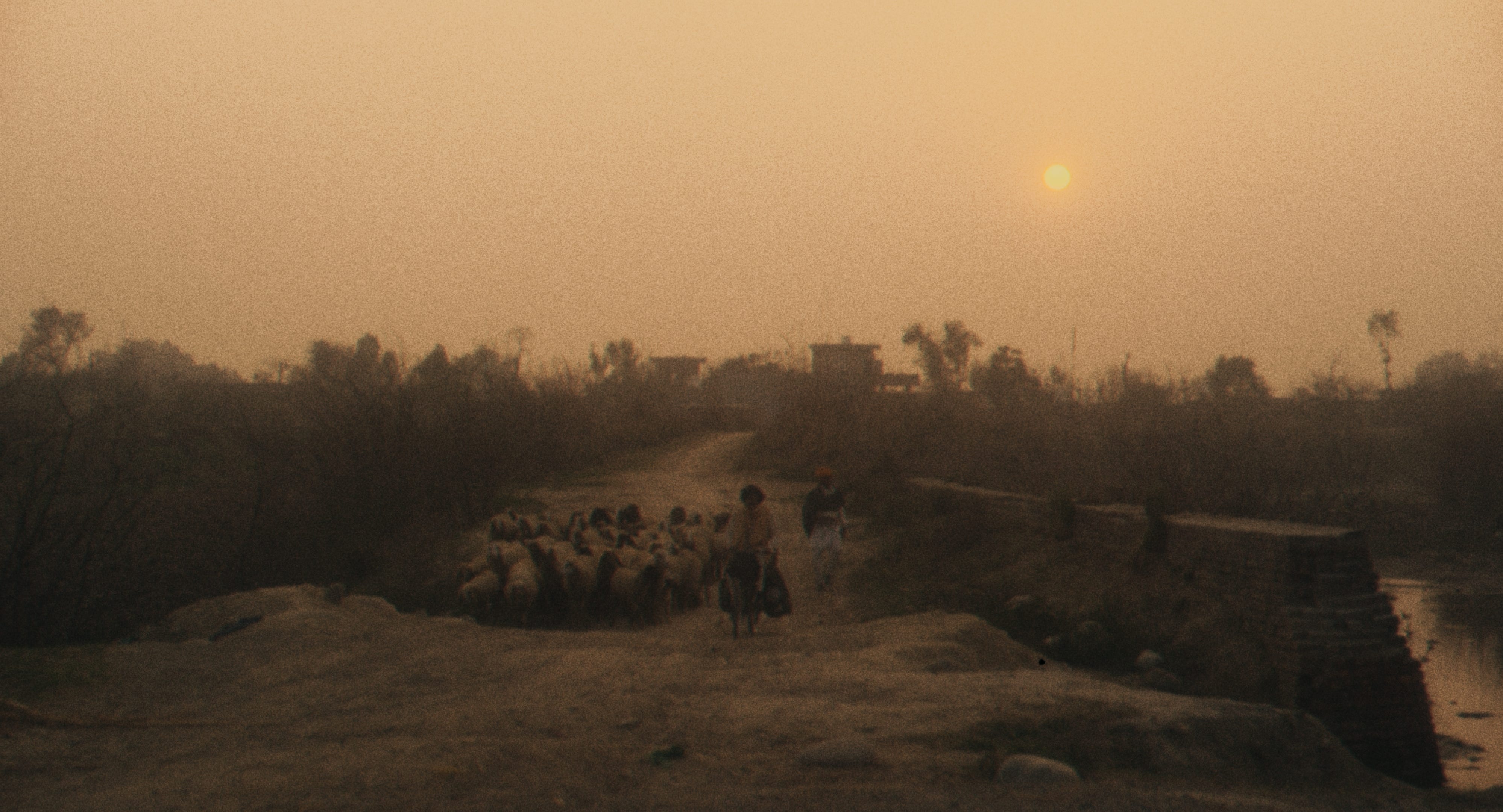
Orlando: Thank you for such a wonderful introduction. When P. K. was born, in the ’50s, in the far east of India, his parents commissioned an astrologer to give him an astrological reading. In this reading, P. K. was told—his parents were told—this child one day will meet a woman from a faraway land. She’ll be musical, her star sign will be Taurus, and she’ll own a jungle.
He sort of kept that belief really close to his heart. And as you said, Vanessa, he had a very difficult upbringing. He’s from the Dalit community, which sits at the bottom of India’s caste hierarchy. His life was very difficult. He had to sit outside at school. He wasn’t allowed to touch other children. The trauma was very profound for P. K. But he always had this idea that something else was destined for him.
One day, he becomes a street artist in Delhi, thinking this is a way to escape the caste system. And a Swedish backpacker sits down in front of him. He feels this connection with her, and he’s like, “This is very strange. I’m feeling something.” I mean, he draws people all day long, so it’s not unusual to have a foreigner sit down in front of him.
He says, “Do you mind if I ask you a question?” And she’s like, “Sure, okay.” And he says, “Are you a Taurus?” She says, “Yes, but how do you know?” Then he says, “Are you musical?” And she says, “Yes, I play the flute and the recorder. But how do you know?”
He goes, “Okay, one more question.” His mind is exploding at this point. He says, “Do you own a jungle?” Of course, she looks at him and says, “No, I’m from Sweden. We don’t have jungles in Sweden.” He looks down and is very upset. But then she says, “My family owns a forest.” And P. K. says, “My God, it’s destiny. We’re going to be together. This is written in the stars.”
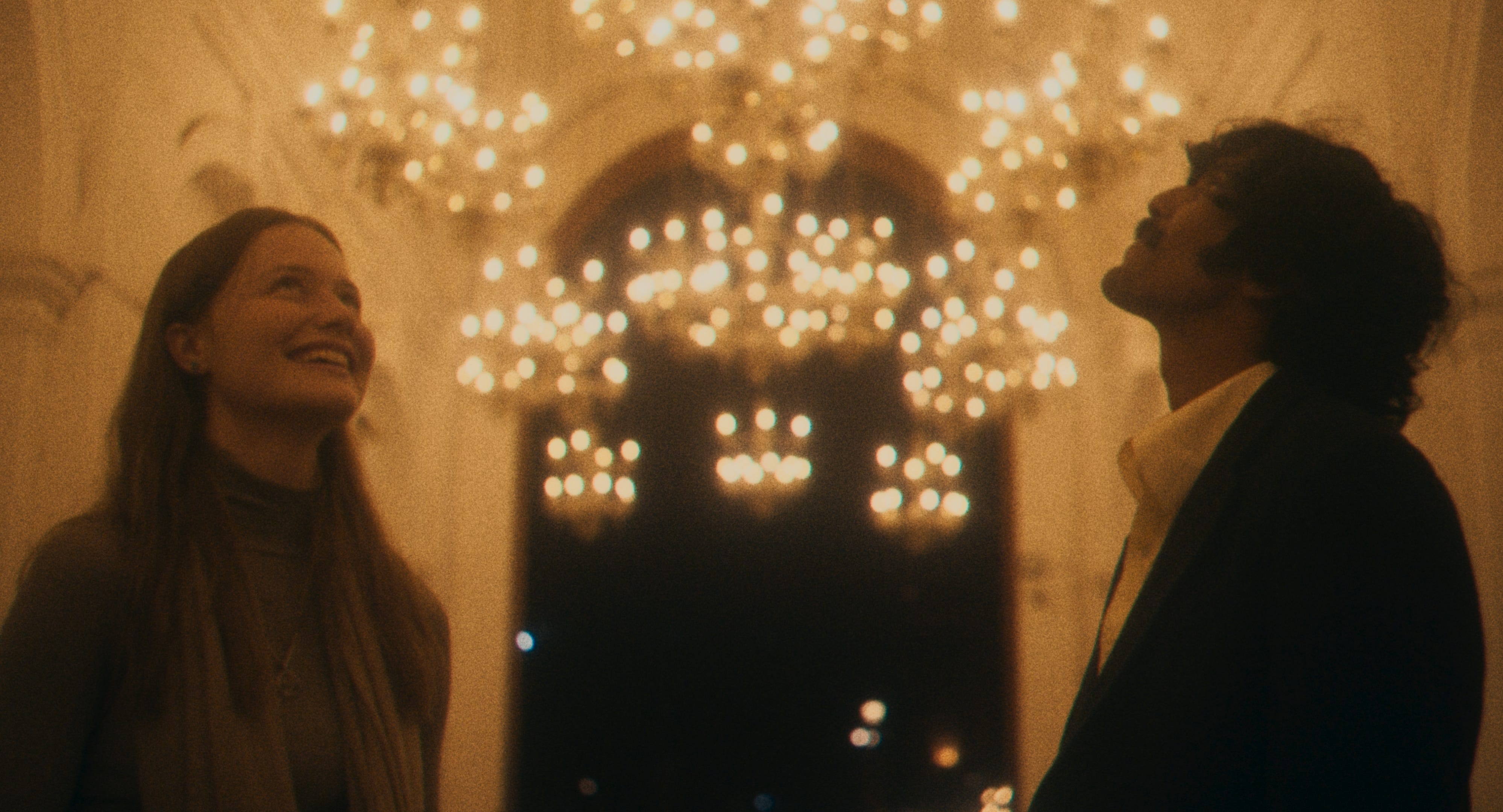
As you mentioned, Lotta eventually goes back to Sweden, and P. K. has to make this radical decision that, if he’s going to be with the woman from the prophecy, he has to somehow travel across the world. He can’t afford a plane ticket, even if he sells everything he owns, but he can afford a secondhand woman’s bicycle. And so he sets off.
I say all of that because we might, in our lives, not all have prophecies written for ourselves. But we all have hopes and dreams, and we all have ambitions. I think one thing P. K.’s story really speaks to is that, if you want to achieve those things, you have to take a risk. You have to do something radical to change your life circumstances. We might not be able to cycle 6,000 miles for that, but we can all do something to aim for the dreams that we want to achieve.
Vanessa: And did P. K. and Lotta find you, or did you find them and this unbelievable story? It’s so strange: as you just described their meeting, you gave me chills again because you put me right back into the scene. You recreate them with these actors. It’s so powerful. It’s so beautifully done.
Was there something in your own life story that made you feel compelled to tell this story?
Orlando: I think, Vanessa, I’ve been looking for a long time to make something that’s unashamedly positive and optimistic. I’ve made a lot of films. I like to think the films I work on are all about—there’s a thread that unites them—they’re all about humble heroism in some form. They’re about what I think is the best of humanity. So there is this thread, but they are often stories in very difficult parts of the world where very difficult circumstances are playing out.
I’ve just felt a real urge to try to tell something positive that celebrates human connection. What happened in this case is I was giving a speech in Sweden, and two young people approached me at the end of the speech. They handed me a book and said, “This is our parents’ story. Would you have a read? If you’re interested, let’s speak. We’re interested in a film.”
Sadly, I’m not Steven Spielberg. If people approach me out of the blue and say, “I’ve got a great story to tell you,” it doesn’t normally end up being a great story. So I took the book. I think I was polite, and I put it away. But a few weeks later, I was going on holiday and I saw the book. I thought, “I’ll have a look.” I started reading it and immediately thought, “You idiot. This story is mind-blowing.”
I read it very quickly, got back in touch, and luckily—I was very lucky—I got invited to Sweden to meet P. K. and Lotta. They are, if you’ve seen the film, you’ll agree with me, I think, the most generous and warm and open-hearted human beings.
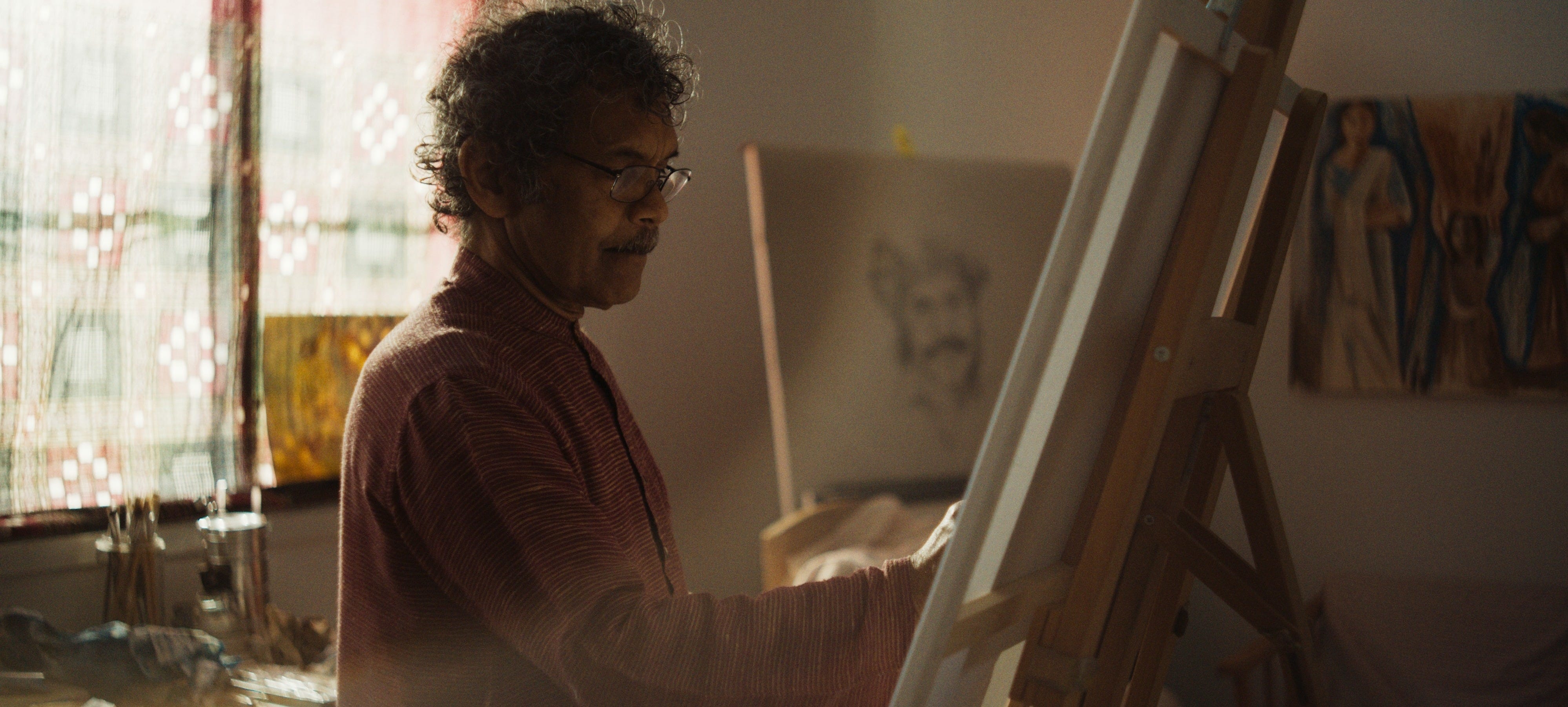
Vanessa: They are! I met them at a film festival (Middleburg). It’s great that they’re traveling with you, and the film. So great.
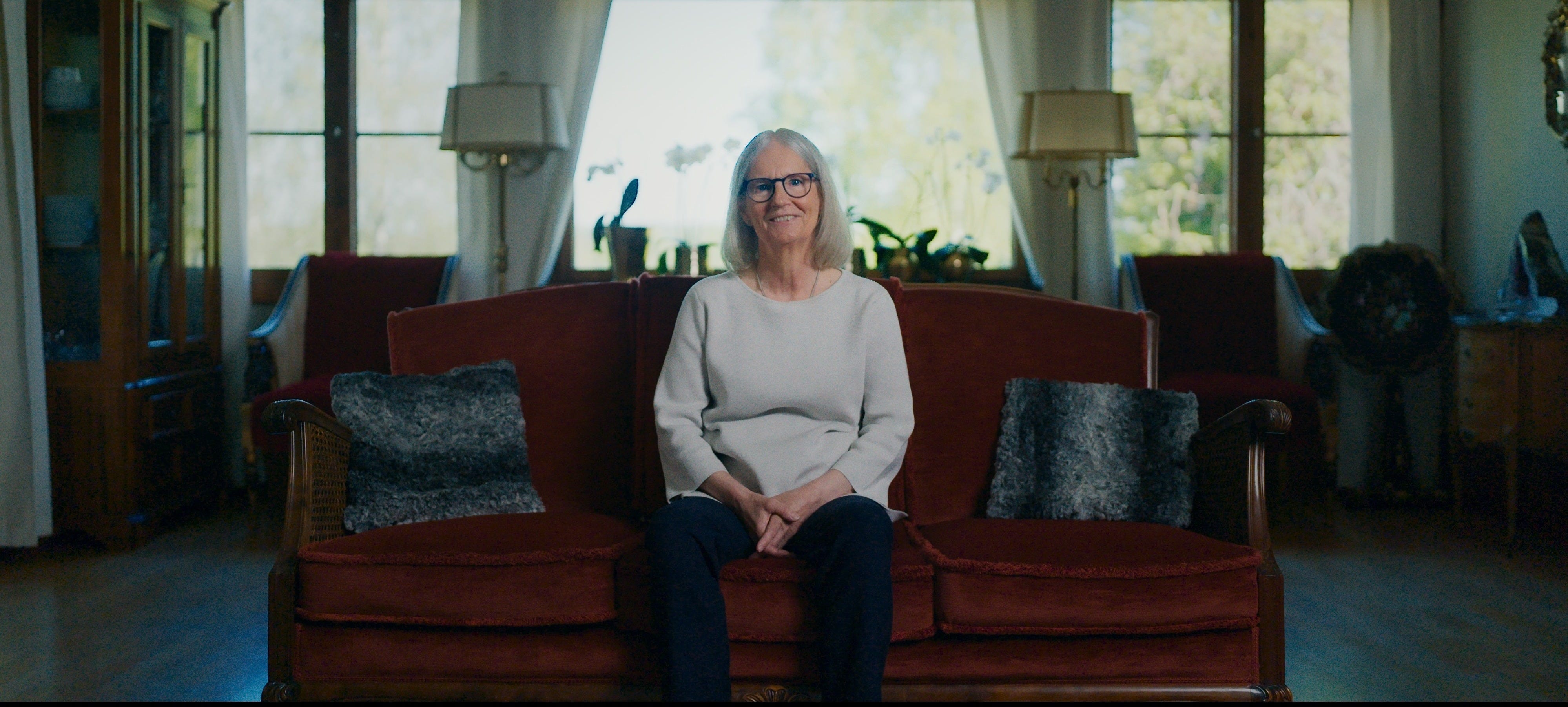
Orlando: I kind of fell in love with them. These films take so long to make; you want to be surrounded by people who make you feel good about the world and humanity. I think we all had a shared vision for how this film could be realized, the thematic ideas that could be realized in the documentary.
The challenge—there were so many challenges—but the big challenge was that P. K. didn’t have a documentary crew following him in 1977 when he cycled across the world. That normally is what stops a documentary in its tracks. It was really scary, how to solve that, because at this point I was totally all in.
Vanessa: I’m just thinking their children approached you and they did kind of want you to be Spielberg—and you did kind of achieve it. Because I really feel fully there in the scenes where you’re directing actors. Phenomenal.
Orlando: So, okay, how we got there, Vanessa, is I started to look at my previous work, trying to find inspiration for how to do this film. I made a film about 10 years ago called Evelyn that’s about my brother. I had a brother who, very sadly, took his own life. My family really struggled to talk about this. We just couldn’t say his name.
One day, after a long time of just not really being able to deal with this, we decided to walk the length of the United Kingdom. On that journey, we filmed it, the idea was to visit places where we’d spent time with my brother when he was alive. We walked, and along the way, we kept meeting strangers who would see the camera and say, “What are you guys doing?” We’d have these really deeply moving, unbelievable conversations.
Actually, they’re kind of the best bit in the film. I thought: is there a way of taking that idea of meeting people and having conversations? Does that get to the heart of what I think P. K.’s story is about? It’s about how the kindness of strangers helped him learn to love himself.
With that in mind, we set off with P. K. and an amazing young actor. We did a kind of odyssey of our own, where we would meet people along the way.
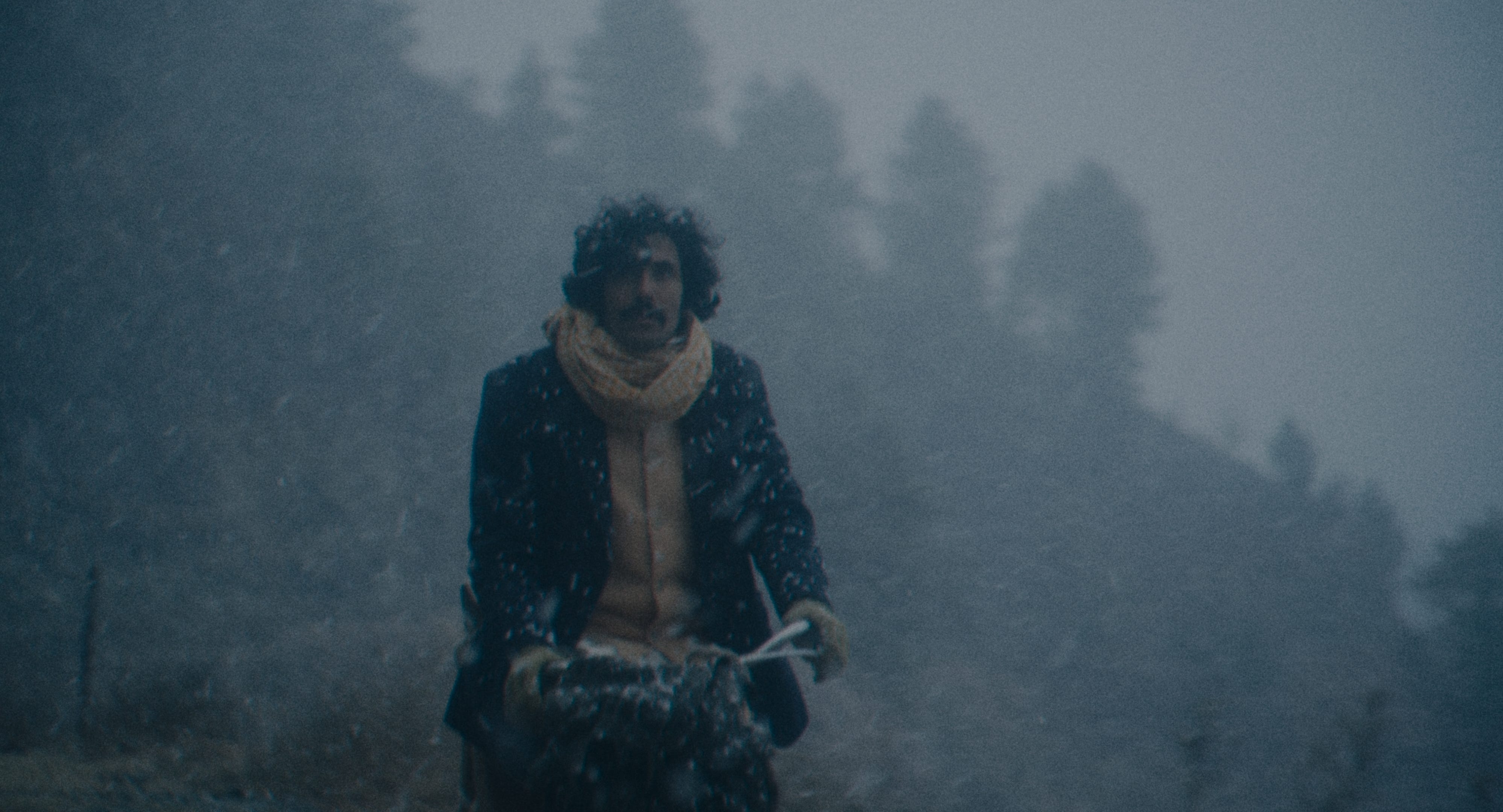
The kindness of strangers helped P. K. learn to love himself — I think that, in some ways, encapsulates the heart of this story. It felt like the way to tell that was to go and follow parts of P. K.’s original route, meet strangers, and document those interactions.
Vanessa: That idea is so beautiful—that it’s at the heart of your story. That kindness toward others, and seeing maybe beyond the boundaries of your own family and community, being able to travel beyond them to interact with a larger one and with people in other countries around the world, to see yourself as part of a bigger community or fabric.
You achieved this—and, P. K. achieves this. But your visuals, the whole experience of this journey: what was the hippie trail? Can you talk a little about how you pulled this off?
Orlando: Sure. To be clear, Vanessa, there are two actors in this film: Mina Dalla, who plays young Lotta, and Chidag Benedict Lobo, who plays young P. K. They’re the only two actors in the film. Almost every other person is a real, everyday person we met along the way.
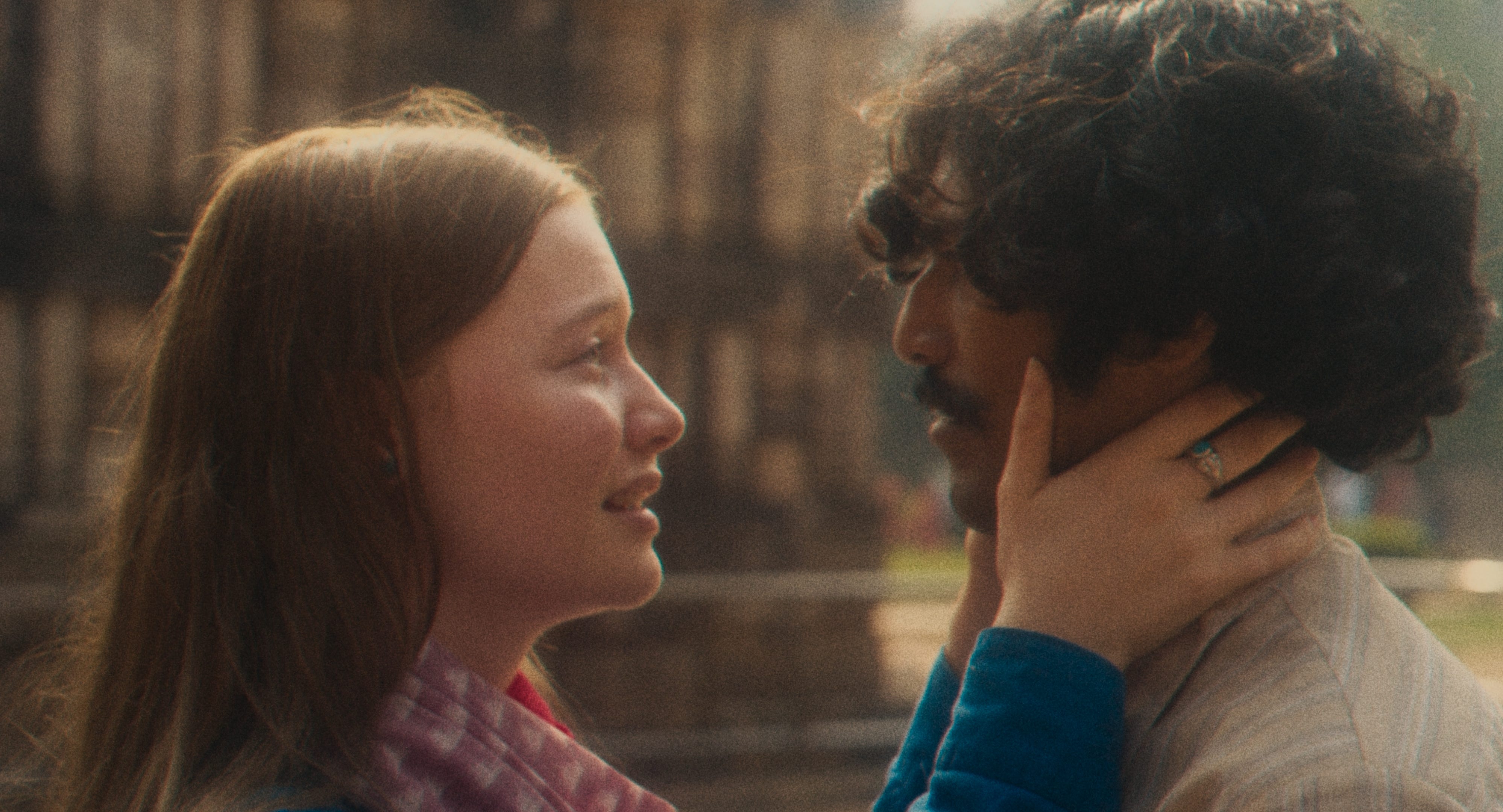
The conversations that I had—nothing was scripted. They’re real conversations we filmed in a classic documentary vérité style. What we would do is sort of street-cast. Often, on the morning of filming, we’d find communities of Afghans, Iranians, Turks, or Westerners in backpacker hostels. We’d say, “This is an actor who’s recreating a journey from 50 years ago. This is P. K., and he did that journey 50 years ago. Would you like to have your portrait drawn and have a conversation?”
Then these conversations would unfold. People would talk about love and hopes and dreams and prejudice. P. K. would watch us filming these, and he’d often find it so moving. I’d turn around and he was crying. He would say, “I haven’t met this person, but I had so many conversations that are identical to this.” It was extraordinary. The odyssey that we went on to make the film was also extraordinary.
Vanessa: Wow. The countries that you travel through are also extraordinary. They’re not countries we would normally see, and they’re not countries someone would normally bike across. Remind us what those countries are.
There’s that moment where P.K. is about to give up. There are a few moments where he gets turned back, often because he’s done something kind for a stranger, and frankly, then that stranger might turn around and do something kind for him. Tell us a little more about that journey.
Orlando: P. K. went from India—he sort of dipped his toe into Pakistan—but then he went to Afghanistan, Iran, Turkey, and eventually across Europe to Sweden.
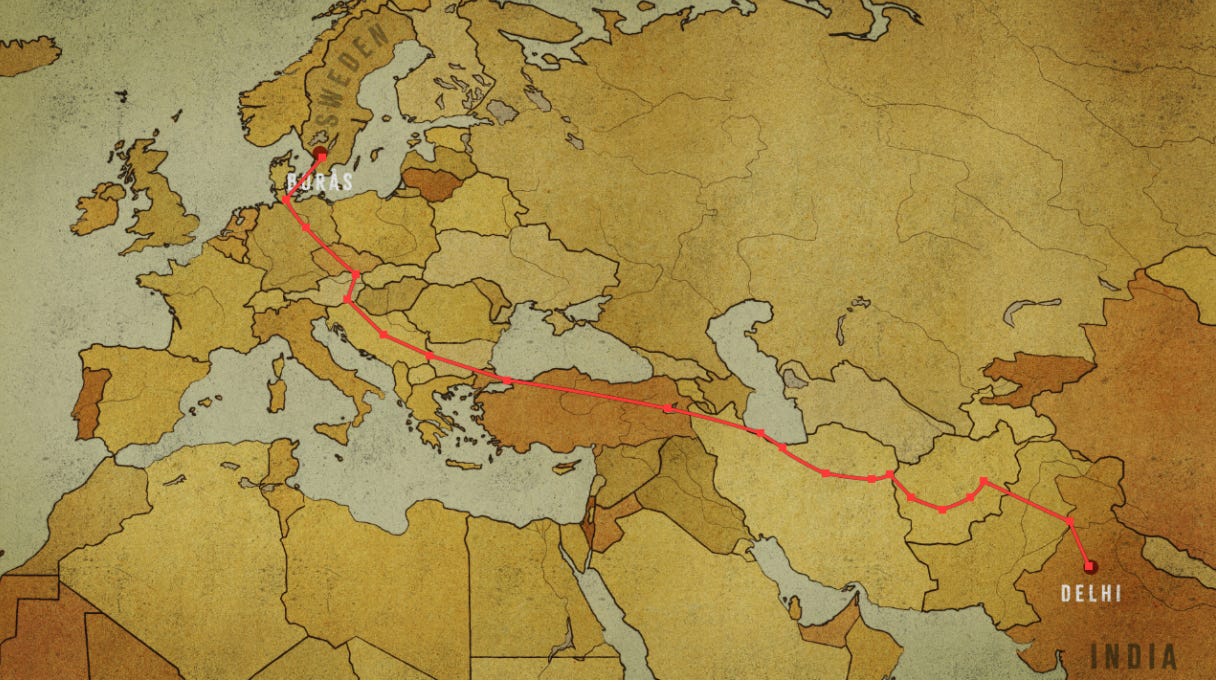
Initially, Vanessa, I thought we would faithfully replicate the route. My producers said, “Are you insane? We can’t go to Afghanistan and Iran. We haven’t got the money, let alone all of the other safety considerations.” So we actually shot the film in India and Sweden. India’s unbelievable geographic diversity allowed us to replicate other places. It turns out India has large populations of Afghans and Iranians and Turks, and we would go to those communities, where we would find people to have these conversations with.
As I was probably badly explaining before, we kept coming across such incredible kindness, which P. K. experienced. I think that’s the only way he survived: strangers helping him and wanting to believe in his quest for love.
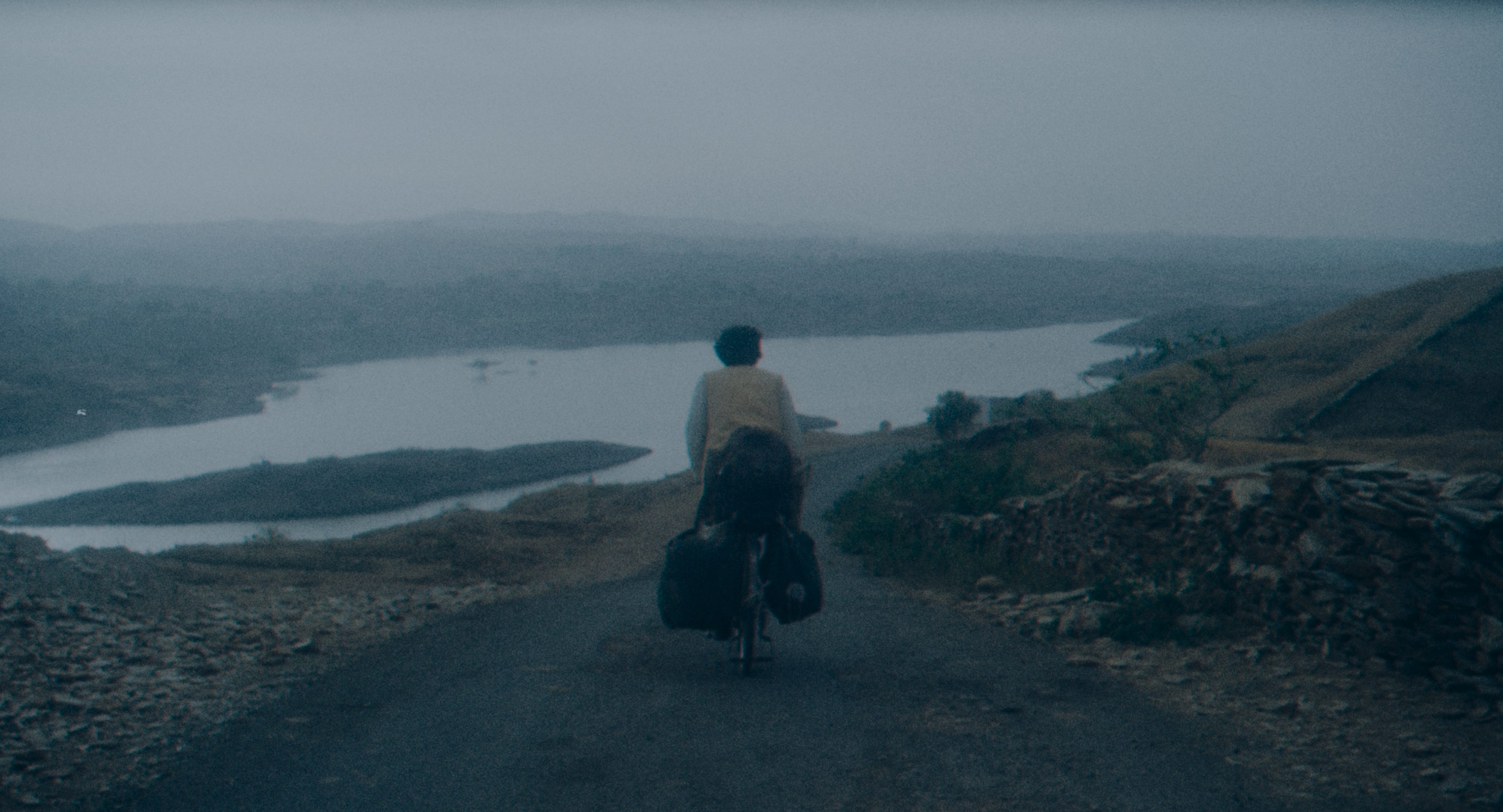
It’s very easy in the world today, right? You turn on the radio or television and it’s easy to believe that the world outside our own countries is full of people who are unkind, who have bad intentions, and that it’s deeply scary. That goes so far against my own experiences of the world and humans. As a filmmaker, it’s a privilege: you get to travel a lot and meet people.
My experience is that most people—the vast majority of people—are good, and everyone wants the same things. We want to be loved. We want safety. We want meaning in our lives. I think P. K.’s story really speaks to that, and hopefully our film does too.
Vanessa: Yes. It’s extraordinary. It’s interesting, the way you put it, that the heart of the film is the kindness he experiences: the exchanges that buoy him and help him feel he deserves more in life, and that he’s more worthwhile than he’s been told—other than this prophecy about who he might meet.
So the pull of the romantic love, is teaching him about a different and maybe larger love that’s also sustaining. But that romantic love works and lasts. Lotta goes for it. Can you share a little bit more about Lotta’s experience of this? Because that’s also in the film.
Orlando: Just to start, the film is about love, and it’s definitely marketed as being about romantic love. But it’s also a film about love for our fellow human beings, and it’s about self-love.
P. K. speaks very movingly, I think, about how, if you don’t love yourself, you can’t love somebody else. You don’t have the capacity for it. I think that’s really true.
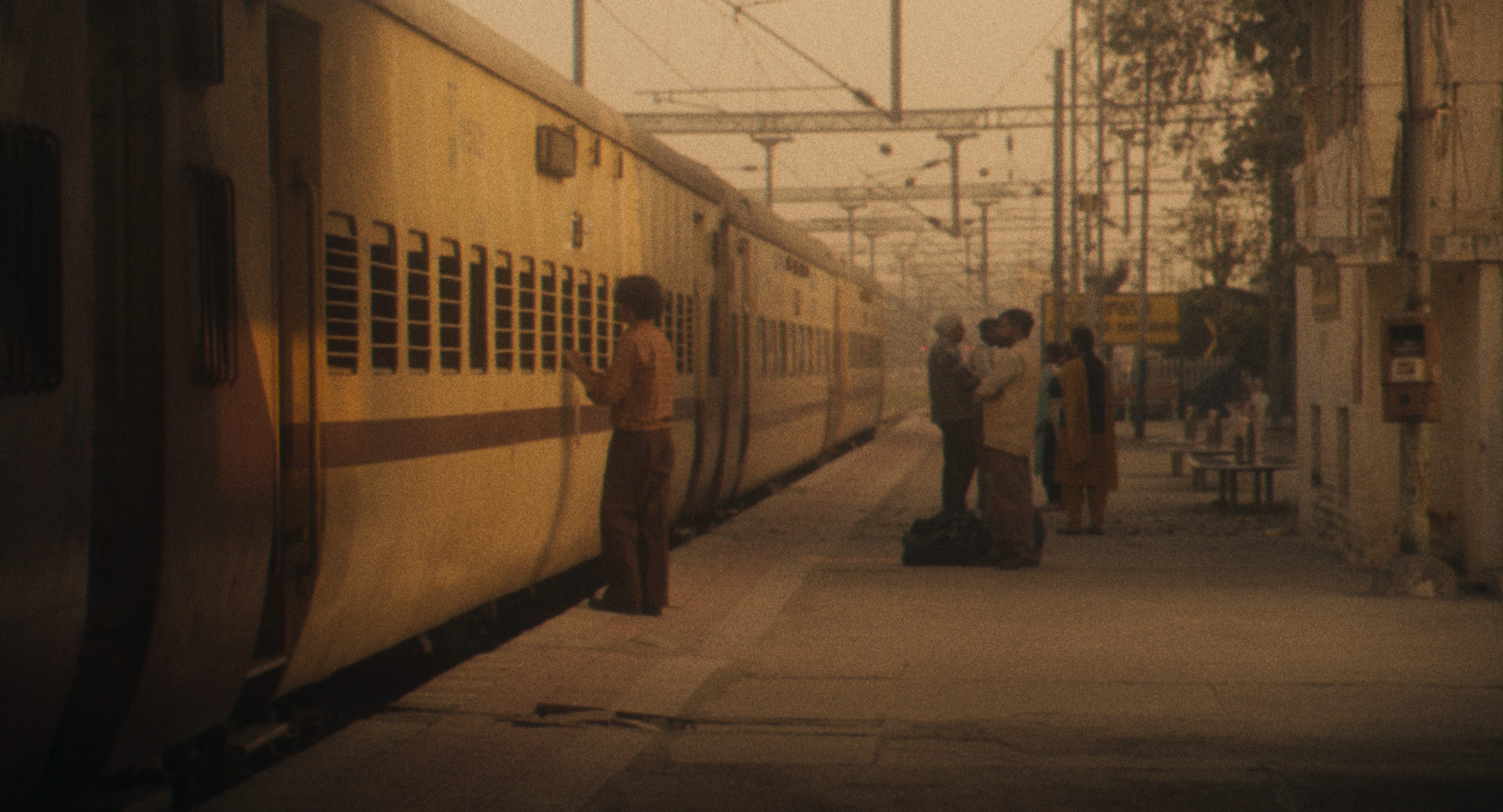
When it comes to Lotta, I mean, I think this is what’s so extraordinary about this story: P. K. had a prophecy written on a palm leaf when he was born, but Lotta has her own—and I don’t want to spoil everything—but she has her own sort of premonition. It’s in the form of a photograph that she finds at a particularly impressionable point in her life. Looking at this photograph, she manifests that one day she will go to this place. It feels so out of her understanding at the time she first sees it, and then at some point, she gets to go there.
For her, that is a signal that this love is meant to be. People who watch the film can make up their own mind about what they believe. Is this destiny? Is it fate? I can’t explain that bit. I’m a real pragmatist, and I came to this story as a real skeptic. I thought it was a lot of fun, and there’s magic in it, and it’s wonderful—but I can’t explain that side of it, Vanessa.
Vanessa: I imagine audiences around the world, where you’re screening the film, are just falling in love with it, with P. K. and Lotta, and with this idea that maybe people shouldn’t be put in these boxes—that this hierarchical system of class and domination is counter to love and kindness and community.
What are you finding as you screen it?
Orlando: It’s been a really special experience screening this film. We launched at the Telluride Film Festival in 2025, and we had plans to quickly sell the film to a TV network or a streamer. We were kind of blown away by the reaction in the room—the collective effervescence you get in a theater. It felt so magical, that shared feeling and how people came out, how people were talking about the experience of watching the film.
We felt really strongly that we had to do a theatrical release for this film. Theatrical, especially for a documentary, is hard. It’s hard won. We worked really hard to find the right partners, to raise the funds to support it.
A few weeks ago, we launched in the U.S. It’s still in theaters across the United States, and it’s in U.K. theaters at the moment. It starts going global from next week.
Vanessa: I just want to remind people: you’re an Academy Award-winning filmmaker, and this film is extraordinarily well made and realized. I think everyone involved knows it. The fact that, despite all of that, you’re still facing all the same obstacles of this business is really—
Orlando: We all are. Nobody—I think we’re all experiencing it. All the filmmakers I speak to, I was at an event today for a friend’s film launch, and everyone’s just talking about the same thing. It’s a battle to get your film seen. You have to fight so much harder. But when you believe in it, that’s what you want to do. You want to fight to get an audience.
Vanessa: And it’s such an important counterforce to the way the world is currently going. As you’re speaking about Afghanistan, we’re thinking of a war. As you’re speaking of Iran, we’re thinking of a war. These are devastated places and populations. There’s a much deeper underlying idea going on in this film that, if it could spread around the world, would make it so much better.
Orlando: Vanessa, that’s very, very, very kind of you. To that point, there’s an interesting thing: in Afghanistan and Iran in particular, P. K. experienced real kindness in a way that he hadn’t experienced in his own country. People would touch him and hug him and help him.
It’s only when he got to Europe—in Germany, in this case—a place he’d idealized from his youth, that he immediately experienced racism again and felt all of the discrimination he’d felt when he was growing up in the east of India.
I suppose, to your point about discrimination, the specific discrimination that P. K. faced under the caste system in India is specific to him. But the idea of discrimination and prejudice is a universal, sad tragedy, obviously. I think it’s one of the reasons it’s so prevalent in so many love stories, with Romeo and Juliet being a classic example.
Vanessa: Right, overcoming the obstacles. Once we do, we’re absolutely convinced that all the time and energy we invested in the pursuit is worth it. As with making a film like this.
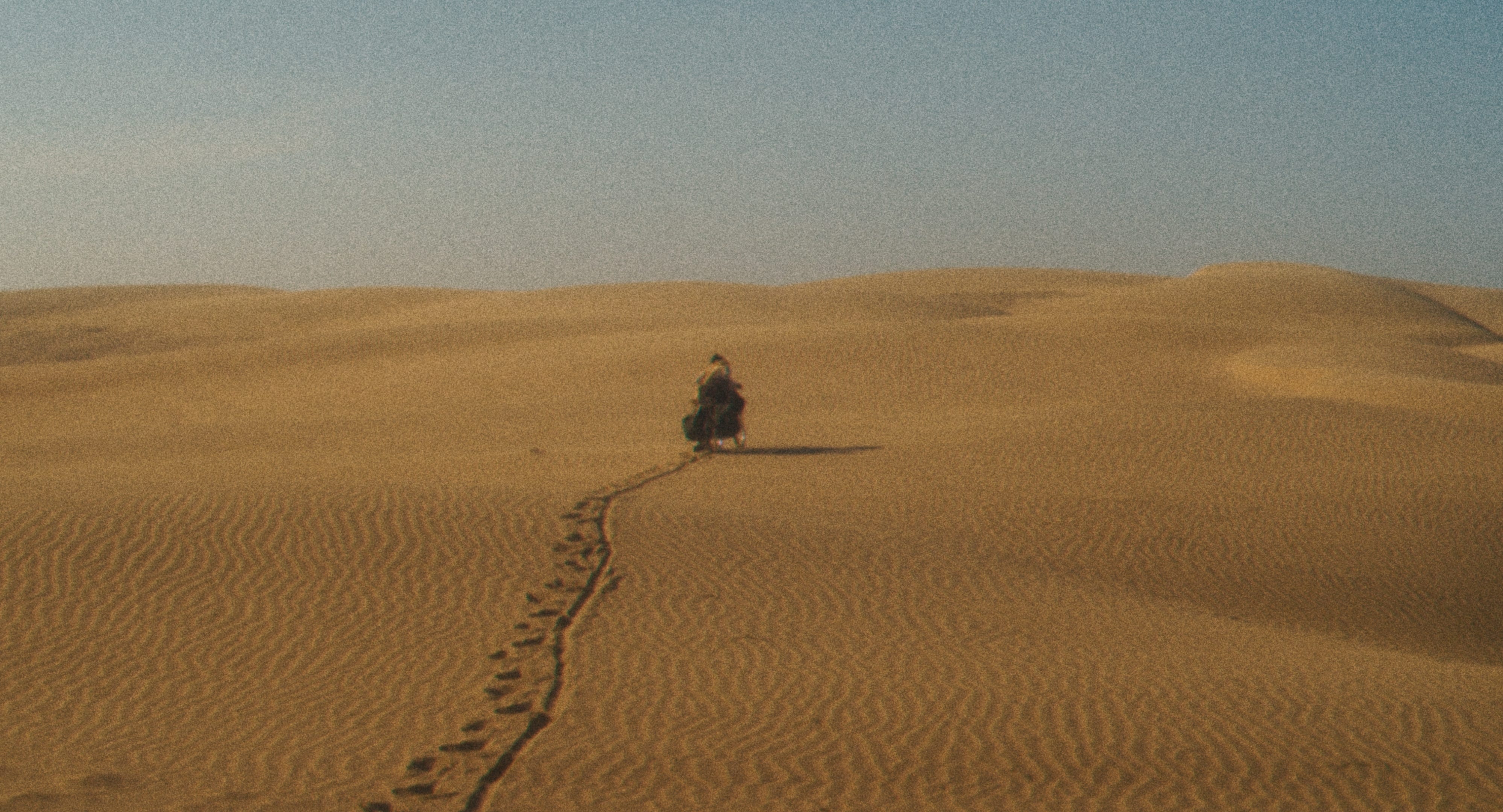
But P. K. has an actual foundation, right? This is a concern he speaks up about: the caste system and the Dalit, formerly “Untouchable,” situation.
Orlando: Absolutely. He’s spoken a lot throughout his life about this issue. For me, I read about the caste system in school and had a loose understanding, but really knew very little, in actual fact.
I think whenever you make a film outside of your own socioeconomic experience, it’s an enormous responsibility to get it right, to tell it sensitively and appropriately. It’s therefore incumbent on you as a filmmaking team to surround yourselves with people who know that lived reality properly.
We were very lucky. We had P. K. with us for almost the entire shoot, so we could get very live feedback on everything. P. K.’s children, Carl and Emily von Schedvin, are producers on the film. We also worked with a number of Dalit advocacy organizations throughout pre-production, production, and post, just to make sure we were doing things right.
Hopefully, when people watch the film—especially if they understand these issues—they feel that we’ve done a half-decent job.
Vanessa: Yes. I think, to that point again, of what is at the heart of the story—this idea of love and kindness—everyone around the world, whatever they are suffering, really requires and needs the support of people in other countries who are not exactly like them, to hear them and see them and connect and amplify what their concerns are.
That is something—it’s the only way we’re going to overcome differences, if we’re vulnerable enough to allow people to see us. That is something that’s also unique in this story, and that’s made so literal with the portrait drawing. But it’s such a perfect metaphor, and those conversations that come of it.
I think it’s layer upon layer of that amplification of voices of people who are otherwise unseen and unheard. Right?
Orlando: Talking of that emotional vulnerability, when I made this film about my brother, I had all sorts of toxic masculinity ideas. I thought showing emotion and being emotionally vulnerable was weak. I learned that actually being emotionally vulnerable and open is strength.
I think that is something that P. K., as a human being, is magic at. He’s immediately very open, and that’s unbelievable. When you are emotionally vulnerable, it’s almost contagious. It allows everybody around you to also be emotionally vulnerable, and it breaks down almost every barrier. It’s extraordinary.
To that point, I hope the film—and I’ve seen this in the audience—does a bit of a job of allowing people the space afterwards to maybe have a difficult conversation because they’re feeling that emotional vulnerability from P. K. or Chidag, or from the people he meets sharing their stories.
I think that’s something any good film—but documentary as well—creates. It opens that space for emotional vulnerability.
Vanessa: It really does. It’s such a meaningful film, and I hope you are able to travel everywhere with it, and that everyone gets to see this film. How can people see this film right now? What is the way people are able to watch it?
Orlando: This is where I have to give a plug. The easiest way is to go to our website, thecycleoflovefilm.com, and there’s a little widget on there where you can type in where you live and it will tell you how to watch the film. That might be in theaters, depending on where you are. It might be streaming by the time this comes out. I hope people seek out the film and watch it.
Vanessa: Maybe they can even request a screening and put groups together to make a screening happen. We highly encourage everyone to do that. It really blew me away, this movie.
Are you going to stick with documentary? Because you’ve proven yourself fully capable of just doing fiction if you wanted to.
Orlando: You’re very, very kind. Thank you, Vanessa. I think at the moment there are a lot of very interesting things happening in fiction and documentary, where the two blend and use techniques borrowed from each other.
There wasn’t a perfect reference for what we did in this film, where most of the conversations involve an actor who is a sort of vessel for the conversations.
The creative idea is built on the work of filmmakers like Chloé Zhao, Abbas Kiarostami, the Ross brothers—directors who are either fiction directors who take some documentary elements, or documentary directors who borrow fiction elements.
I suppose the idea really is about using different sets of real things to get at a greater truth. That’s what we tried to do here.
Vanessa: Ooh, I have an idea. Your film could be in the Best Picture category.
Orlando: Well, Vanessa, that’s very kind of you. I hope one day there is a documentary in that top ten. That would be wonderful to see.
Vanessa: The reason it’s helpful is because then you get more people to see this film. That will increase the awareness and build the audience. We need this film out there. It’s a beautiful counterforce to a terrible trend in our world of fear and war and authoritarian control. It’s literally the opposite: to break hierarchy, move against it, and build community and love.
Thank you so much for this film, Orlando.
Orlando: Well, I’m touched that you said all of that. Thank you very much for having me.
I was so moved by The Cycle of Love, the luminous new documentary from Academy Award-winning filmmaker Orlando von Einsiedel, director of the Oscar-winning The White Helmets, the Oscar- and BAFTA-nominated Virunga, and the BIFA-winning Evelyn. In this vHopeful Conversation, I speak with Orlando about his extraordinary new film, which follows P. K. Mahanandia, a young Dalit street artist who, in 1977, bicycled 6,000 miles from India to Sweden to reunite with Lotta von Schedvin, the woman he loved. We discuss the film’s singular blend of documentary encounters and beautifully staged recreations; the kindness of strangers that sustained P. K.’s journey; and its larger meditation on caste, prejudice, emotional vulnerability, and the radical possibility of building connection across every kind of boundary.
Transcript lightly edited. Podcast available on Apple, Spotify or wherever you listen on this Substack or Ted’s Hope for Film
Vanessa Hope: I’m extremely excited to be joined by Academy Award-winning filmmaker Orlando von Einsiedel, whose urgent, deeply human body of work includes the Oscar-winning The White Helmets, the Academy Award-nominated Virunga, and films such as Evelyn, The Lost Children, and Heart of Invictus. In his beautiful, beautiful new documentary, The Cycle of Love—that is so, so moving—Orlando tells the astonishing true story of P. K. Mahanandia. Did I say that right?
Orlando von Einsiedel: Yeah, perfect.
Vanessa Hope: A young Dalit street artist from Delhi who, in 1977—one of the coolest decades, in my personal opinion—set out on a secondhand bicycle with a handful of paintbrushes. He rode 6,000 miles across continents, all the way to Sweden, in search of Lotta von Schedvin, the woman he loved. Through intimate conversations with P. K. and Lotta, and breathtakingly realized recreations—they really are; you could easily slip into fiction film whenever you want—the film becomes not only an epic romance, but a very moving meditation on caste, class, art, courage, and the radical self-belief required to imagine a life beyond the limits the world has placed on you. Something all of us understand. Thank you so much for being here, Orlando.
Orlando von Einsiedel: Thank you, Vanessa. It’s wonderful to be here to talk to you.
Vanessa: So, you’ve made this truly extraordinary love story. Actually, side note: I have to imagine maybe this has to do with you falling in love and your little kids who might pop into our screen here. But I also deeply experienced it as a story of worthiness. P. K. begins as a young Dalit artist from an extremely poor family who has been told where he belongs and what the limits are on his life.
As a director, how did you understand the relationship between his decision to pursue his love, Lotta, and his belief that he was entitled to a life larger than the caste system had prescribed for him?
Orlando: Thank you for such a wonderful introduction. When P. K. was born, in the ’50s, in the far east of India, his parents commissioned an astrologer to give him an astrological reading. In this reading, P. K. was told—his parents were told—this child one day will meet a woman from a faraway land. She’ll be musical, her star sign will be Taurus, and she’ll own a jungle.
He sort of kept that belief really close to his heart. And as you said, Vanessa, he had a very difficult upbringing. He’s from the Dalit community, which sits at the bottom of India’s caste hierarchy. His life was very difficult. He had to sit outside at school. He wasn’t allowed to touch other children. The trauma was very profound for P. K. But he always had this idea that something else was destined for him.
One day, he becomes a street artist in Delhi, thinking this is a way to escape the caste system. And a Swedish backpacker sits down in front of him. He feels this connection with her, and he’s like, “This is very strange. I’m feeling something.” I mean, he draws people all day long, so it’s not unusual to have a foreigner sit down in front of him.
He says, “Do you mind if I ask you a question?” And she’s like, “Sure, okay.” And he says, “Are you a Taurus?” She says, “Yes, but how do you know?” Then he says, “Are you musical?” And she says, “Yes, I play the flute and the recorder. But how do you know?”
He goes, “Okay, one more question.” His mind is exploding at this point. He says, “Do you own a jungle?” Of course, she looks at him and says, “No, I’m from Sweden. We don’t have jungles in Sweden.” He looks down and is very upset. But then she says, “My family owns a forest.” And P. K. says, “My God, it’s destiny. We’re going to be together. This is written in the stars.”
As you mentioned, Lotta eventually goes back to Sweden, and P. K. has to make this radical decision that, if he’s going to be with the woman from the prophecy, he has to somehow travel across the world. He can’t afford a plane ticket, even if he sells everything he owns, but he can afford a secondhand woman’s bicycle. And so he sets off.
I say all of that because we might, in our lives, not all have prophecies written for ourselves. But we all have hopes and dreams, and we all have ambitions. I think one thing P. K.’s story really speaks to is that, if you want to achieve those things, you have to take a risk. You have to do something radical to change your life circumstances. We might not be able to cycle 6,000 miles for that, but we can all do something to aim for the dreams that we want to achieve.
Vanessa: And did P. K. and Lotta find you, or did you find them and this unbelievable story? It’s so strange: as you just described their meeting, you gave me chills again because you put me right back into the scene. You recreate them with these actors. It’s so powerful. It’s so beautifully done.
Was there something in your own life story that made you feel compelled to tell this story?
Orlando: I think, Vanessa, I’ve been looking for a long time to make something that’s unashamedly positive and optimistic. I’ve made a lot of films. I like to think the films I work on are all about—there’s a thread that unites them—they’re all about humble heroism in some form. They’re about what I think is the best of humanity. So there is this thread, but they are often stories in very difficult parts of the world where very difficult circumstances are playing out.
I’ve just felt a real urge to try to tell something positive that celebrates human connection. What happened in this case is I was giving a speech in Sweden, and two young people approached me at the end of the speech. They handed me a book and said, “This is our parents’ story. Would you have a read? If you’re interested, let’s speak. We’re interested in a film.”
Sadly, I’m not Steven Spielberg. If people approach me out of the blue and say, “I’ve got a great story to tell you,” it doesn’t normally end up being a great story. So I took the book. I think I was polite, and I put it away. But a few weeks later, I was going on holiday and I saw the book. I thought, “I’ll have a look.” I started reading it and immediately thought, “You idiot. This story is mind-blowing.”
I read it very quickly, got back in touch, and luckily—I was very lucky—I got invited to Sweden to meet P. K. and Lotta. They are, if you’ve seen the film, you’ll agree with me, I think, the most generous and warm and open-hearted human beings.
Vanessa: They are! I met them at a film festival (Middleburg). It’s great that they’re traveling with you, and the film. So great.
Orlando: I kind of fell in love with them. These films take so long to make; you want to be surrounded by people who make you feel good about the world and humanity. I think we all had a shared vision for how this film could be realized, the thematic ideas that could be realized in the documentary.
The challenge—there were so many challenges—but the big challenge was that P. K. didn’t have a documentary crew following him in 1977 when he cycled across the world. That normally is what stops a documentary in its tracks. It was really scary, how to solve that, because at this point I was totally all in.
Vanessa: I’m just thinking their children approached you and they did kind of want you to be Spielberg—and you did kind of achieve it. Because I really feel fully there in the scenes where you’re directing actors. Phenomenal.
Orlando: So, okay, how we got there, Vanessa, is I started to look at my previous work, trying to find inspiration for how to do this film. I made a film about 10 years ago called Evelyn that’s about my brother. I had a brother who, very sadly, took his own life. My family really struggled to talk about this. We just couldn’t say his name.
One day, after a long time of just not really being able to deal with this, we decided to walk the length of the United Kingdom. On that journey, we filmed it, the idea was to visit places where we’d spent time with my brother when he was alive. We walked, and along the way, we kept meeting strangers who would see the camera and say, “What are you guys doing?” We’d have these really deeply moving, unbelievable conversations.
Actually, they’re kind of the best bit in the film. I thought: is there a way of taking that idea of meeting people and having conversations? Does that get to the heart of what I think P. K.’s story is about? It’s about how the kindness of strangers helped him learn to love himself.
With that in mind, we set off with P. K. and an amazing young actor. We did a kind of odyssey of our own, where we would meet people along the way.
The kindness of strangers helped P. K. learn to love himself — I think that, in some ways, encapsulates the heart of this story. It felt like the way to tell that was to go and follow parts of P. K.’s original route, meet strangers, and document those interactions.
Vanessa: That idea is so beautiful—that it’s at the heart of your story. That kindness toward others, and seeing maybe beyond the boundaries of your own family and community, being able to travel beyond them to interact with a larger one and with people in other countries around the world, to see yourself as part of a bigger community or fabric.
You achieved this—and, P. K. achieves this. But your visuals, the whole experience of this journey: what was the hippie trail? Can you talk a little about how you pulled this off?
Orlando: Sure. To be clear, Vanessa, there are two actors in this film: Mina Dalla, who plays young Lotta, and Chidag Benedict Lobo, who plays young P. K. They’re the only two actors in the film. Almost every other person is a real, everyday person we met along the way.
The conversations that I had—nothing was scripted. They’re real conversations we filmed in a classic documentary vérité style. What we would do is sort of street-cast. Often, on the morning of filming, we’d find communities of Afghans, Iranians, Turks, or Westerners in backpacker hostels. We’d say, “This is an actor who’s recreating a journey from 50 years ago. This is P. K., and he did that journey 50 years ago. Would you like to have your portrait drawn and have a conversation?”
Then these conversations would unfold. People would talk about love and hopes and dreams and prejudice. P. K. would watch us filming these, and he’d often find it so moving. I’d turn around and he was crying. He would say, “I haven’t met this person, but I had so many conversations that are identical to this.” It was extraordinary. The odyssey that we went on to make the film was also extraordinary.
Vanessa: Wow. The countries that you travel through are also extraordinary. They’re not countries we would normally see, and they’re not countries someone would normally bike across. Remind us what those countries are.
There’s that moment where P.K. is about to give up. There are a few moments where he gets turned back, often because he’s done something kind for a stranger, and frankly, then that stranger might turn around and do something kind for him. Tell us a little more about that journey.
Orlando: P. K. went from India—he sort of dipped his toe into Pakistan—but then he went to Afghanistan, Iran, Turkey, and eventually across Europe to Sweden.
Initially, Vanessa, I thought we would faithfully replicate the route. My producers said, “Are you insane? We can’t go to Afghanistan and Iran. We haven’t got the money, let alone all of the other safety considerations.” So we actually shot the film in India and Sweden. India’s unbelievable geographic diversity allowed us to replicate other places. It turns out India has large populations of Afghans and Iranians and Turks, and we would go to those communities, where we would find people to have these conversations with.
As I was probably badly explaining before, we kept coming across such incredible kindness, which P. K. experienced. I think that’s the only way he survived: strangers helping him and wanting to believe in his quest for love.
It’s very easy in the world today, right? You turn on the radio or television and it’s easy to believe that the world outside our own countries is full of people who are unkind, who have bad intentions, and that it’s deeply scary. That goes so far against my own experiences of the world and humans. As a filmmaker, it’s a privilege: you get to travel a lot and meet people.
My experience is that most people—the vast majority of people—are good, and everyone wants the same things. We want to be loved. We want safety. We want meaning in our lives. I think P. K.’s story really speaks to that, and hopefully our film does too.
Vanessa: Yes. It’s extraordinary. It’s interesting, the way you put it, that the heart of the film is the kindness he experiences: the exchanges that buoy him and help him feel he deserves more in life, and that he’s more worthwhile than he’s been told—other than this prophecy about who he might meet.
So the pull of the romantic love, is teaching him about a different and maybe larger love that’s also sustaining. But that romantic love works and lasts. Lotta goes for it. Can you share a little bit more about Lotta’s experience of this? Because that’s also in the film.
Orlando: Just to start, the film is about love, and it’s definitely marketed as being about romantic love. But it’s also a film about love for our fellow human beings, and it’s about self-love.
P. K. speaks very movingly, I think, about how, if you don’t love yourself, you can’t love somebody else. You don’t have the capacity for it. I think that’s really true.
When it comes to Lotta, I mean, I think this is what’s so extraordinary about this story: P. K. had a prophecy written on a palm leaf when he was born, but Lotta has her own—and I don’t want to spoil everything—but she has her own sort of premonition. It’s in the form of a photograph that she finds at a particularly impressionable point in her life. Looking at this photograph, she manifests that one day she will go to this place. It feels so out of her understanding at the time she first sees it, and then at some point, she gets to go there.
For her, that is a signal that this love is meant to be. People who watch the film can make up their own mind about what they believe. Is this destiny? Is it fate? I can’t explain that bit. I’m a real pragmatist, and I came to this story as a real skeptic. I thought it was a lot of fun, and there’s magic in it, and it’s wonderful—but I can’t explain that side of it, Vanessa.
Vanessa: I imagine audiences around the world, where you’re screening the film, are just falling in love with it, with P. K. and Lotta, and with this idea that maybe people shouldn’t be put in these boxes—that this hierarchical system of class and domination is counter to love and kindness and community.
What are you finding as you screen it?
Orlando: It’s been a really special experience screening this film. We launched at the Telluride Film Festival in 2025, and we had plans to quickly sell the film to a TV network or a streamer. We were kind of blown away by the reaction in the room—the collective effervescence you get in a theater. It felt so magical, that shared feeling and how people came out, how people were talking about the experience of watching the film.
We felt really strongly that we had to do a theatrical release for this film. Theatrical, especially for a documentary, is hard. It’s hard won. We worked really hard to find the right partners, to raise the funds to support it.
A few weeks ago, we launched in the U.S. It’s still in theaters across the United States, and it’s in U.K. theaters at the moment. It starts going global from next week.
Vanessa: I just want to remind people: you’re an Academy Award-winning filmmaker, and this film is extraordinarily well made and realized. I think everyone involved knows it. The fact that, despite all of that, you’re still facing all the same obstacles of this business is really—
Orlando: We all are. Nobody—I think we’re all experiencing it. All the filmmakers I speak to, I was at an event today for a friend’s film launch, and everyone’s just talking about the same thing. It’s a battle to get your film seen. You have to fight so much harder. But when you believe in it, that’s what you want to do. You want to fight to get an audience.
Vanessa: And it’s such an important counterforce to the way the world is currently going. As you’re speaking about Afghanistan, we’re thinking of a war. As you’re speaking of Iran, we’re thinking of a war. These are devastated places and populations. There’s a much deeper underlying idea going on in this film that, if it could spread around the world, would make it so much better.
Orlando: Vanessa, that’s very, very, very kind of you. To that point, there’s an interesting thing: in Afghanistan and Iran in particular, P. K. experienced real kindness in a way that he hadn’t experienced in his own country. People would touch him and hug him and help him.
It’s only when he got to Europe—in Germany, in this case—a place he’d idealized from his youth, that he immediately experienced racism again and felt all of the discrimination he’d felt when he was growing up in the east of India.
I suppose, to your point about discrimination, the specific discrimination that P. K. faced under the caste system in India is specific to him. But the idea of discrimination and prejudice is a universal, sad tragedy, obviously. I think it’s one of the reasons it’s so prevalent in so many love stories, with Romeo and Juliet being a classic example.
Vanessa: Right, overcoming the obstacles. Once we do, we’re absolutely convinced that all the time and energy we invested in the pursuit is worth it. As with making a film like this.
But P. K. has an actual foundation, right? This is a concern he speaks up about: the caste system and the Dalit, formerly “Untouchable,” situation.
Orlando: Absolutely. He’s spoken a lot throughout his life about this issue. For me, I read about the caste system in school and had a loose understanding, but really knew very little, in actual fact.
I think whenever you make a film outside of your own socioeconomic experience, it’s an enormous responsibility to get it right, to tell it sensitively and appropriately. It’s therefore incumbent on you as a filmmaking team to surround yourselves with people who know that lived reality properly.
We were very lucky. We had P. K. with us for almost the entire shoot, so we could get very live feedback on everything. P. K.’s children, Carl and Emily von Schedvin, are producers on the film. We also worked with a number of Dalit advocacy organizations throughout pre-production, production, and post, just to make sure we were doing things right.
Hopefully, when people watch the film—especially if they understand these issues—they feel that we’ve done a half-decent job.
Vanessa: Yes. I think, to that point again, of what is at the heart of the story—this idea of love and kindness—everyone around the world, whatever they are suffering, really requires and needs the support of people in other countries who are not exactly like them, to hear them and see them and connect and amplify what their concerns are.
That is something—it’s the only way we’re going to overcome differences, if we’re vulnerable enough to allow people to see us. That is something that’s also unique in this story, and that’s made so literal with the portrait drawing. But it’s such a perfect metaphor, and those conversations that come of it.
I think it’s layer upon layer of that amplification of voices of people who are otherwise unseen and unheard. Right?
Orlando: Talking of that emotional vulnerability, when I made this film about my brother, I had all sorts of toxic masculinity ideas. I thought showing emotion and being emotionally vulnerable was weak. I learned that actually being emotionally vulnerable and open is strength.
I think that is something that P. K., as a human being, is magic at. He’s immediately very open, and that’s unbelievable. When you are emotionally vulnerable, it’s almost contagious. It allows everybody around you to also be emotionally vulnerable, and it breaks down almost every barrier. It’s extraordinary.
To that point, I hope the film—and I’ve seen this in the audience—does a bit of a job of allowing people the space afterwards to maybe have a difficult conversation because they’re feeling that emotional vulnerability from P. K. or Chidag, or from the people he meets sharing their stories.
I think that’s something any good film—but documentary as well—creates. It opens that space for emotional vulnerability.
Vanessa: It really does. It’s such a meaningful film, and I hope you are able to travel everywhere with it, and that everyone gets to see this film. How can people see this film right now? What is the way people are able to watch it?
Orlando: This is where I have to give a plug. The easiest way is to go to our website, thecycleoflovefilm.com, and there’s a little widget on there where you can type in where you live and it will tell you how to watch the film. That might be in theaters, depending on where you are. It might be streaming by the time this comes out. I hope people seek out the film and watch it.
Vanessa: Maybe they can even request a screening and put groups together to make a screening happen. We highly encourage everyone to do that. It really blew me away, this movie.
Are you going to stick with documentary? Because you’ve proven yourself fully capable of just doing fiction if you wanted to.
Orlando: You’re very, very kind. Thank you, Vanessa. I think at the moment there are a lot of very interesting things happening in fiction and documentary, where the two blend and use techniques borrowed from each other.
There wasn’t a perfect reference for what we did in this film, where most of the conversations involve an actor who is a sort of vessel for the conversations.
The creative idea is built on the work of filmmakers like Chloé Zhao, Abbas Kiarostami, the Ross brothers—directors who are either fiction directors who take some documentary elements, or documentary directors who borrow fiction elements.
I suppose the idea really is about using different sets of real things to get at a greater truth. That’s what we tried to do here.
Vanessa: Ooh, I have an idea. Your film could be in the Best Picture category.
Orlando: Well, Vanessa, that’s very kind of you. I hope one day there is a documentary in that top ten. That would be wonderful to see.
Vanessa: The reason it’s helpful is because then you get more people to see this film. That will increase the awareness and build the audience. We need this film out there. It’s a beautiful counterforce to a terrible trend in our world of fear and war and authoritarian control. It’s literally the opposite: to break hierarchy, move against it, and build community and love.
Thank you so much for this film, Orlando.
Orlando: Well, I’m touched that you said all of that. Thank you very much for having me.
ORLANDO VON EINSIEDEL, DIRECTOR
Orlando is an Academy Award-winning director and the founder of award-winning UK creative house Grain Media. His work includes Academy Award-winning THE WHITE HELMETS; Academy Award-nominated VIRUNGA; BIFA-winning EVELYN, EMMY nominated LOST AND FOUND, EMMY nominated CONVERGENCE: COURAGE IN A CRISIS, Platino-nominated THE LOST CHILDREN, critically acclaimed Netflix series HEART OF INVICTUS and forthcoming THE CYCLE OF LOVE.
Other work includes Academy Award-winning LEARNING TO SKATEBOARD IN A WAR ZONE (IF YOU’RE A GIRL); EMMY-nominated SCOUTS HONOR; and EMMY-winning BUY NOW! all of which he executively produced.
WHERE TO SEE THE CYCLE OF LOVE IN THEATERS NOW
Santa Barbara, CA
SBIFF Film Center
Now Playing
Encino, CA
Laemmle Town Center 5
Now Playing
San Rafael, CA
Smith Rafael Film Center
Now Playing
Wilmette, IL
Wilmette Theatre
Now Playing
Santa Fe, NM
CCA Cinematheque
Now Playing
London,
The Arthouse Crouch End
Now Playing
Bristol, Avon
Watershed
Now Playing
Santa Monica, CA
Laemmle Monica Film Center
Now Playing
Leicester, City of Leicester
Leicester Phoenix
Now Playing
Washington, DC
The Avalon Theatre
Now Playing
Lewes, East Sussex
Depot
Now Playing
Chester, England
Chester Picturehouse
Now Playing
Manchester, England
Home
Now Playing
Bloomsbury, London
Curzon Bloomsbury
Now Playing
Holborn, London
The Garden Cinema
Now Playing
Chapel Hill, NC
Chelsea Theater
Now Playing
Corvallis, OR
Darkside Cinema
Now Playing
Edinburgh, Scotland
Filmhouse Edinburgh
Now Playing
Sacramento, CA
Tower Theatre
Now Playing
Cincinnati, OH
Kenwood Theatre
Now Playing
Ilkley,
Ilkley Cinema
Now Playing
Chester, Cheshire
Storyhouse
Now Playing
Kensal Rise, London
The Lexi Cinema
Now Playing
Kilburn, London
Kiln Theatre
Now Playing
Great Barrington, MA
Triplex Cinema
Now Playing
Pelham, NY
The Picture House Pelham
Now Playing
San Antonio, TX
City Base Cinema
Now Playing
Totnes, Devon
Dartington Trust Barn Cinema
Now Playing
Aberystwyth, Ceredigion
Aberystwyth Arts Centre
September 29 – October 1
Wilmington, DE
Screening Room at 1313
Opens September 29
Exeter, Devon
Exeter Phoenix
September 30 only
Bradford, England
Picturehouse at Science + Media Museum
Opens October 2
Springfield, MO
Moxie Cinema
Opens October 2
Millerton, NY
The Moviehouse
Opens October 2
Malvern, Worcestershire
Malvern Theatres
October 2 – October 3
Maitland, FL
Enzian Theater & Cinema Café
October 3 only
Mold, Flintshire
Clwyd Theatr Cymru
October 3 – October 7
Cromarty,
Cromarty Cinema
October 4 only
Tallahassee, FL
Tallahassee Film Society
October 4 only
Inverness, Highland
Eden Court Inverness
October 6 – October 8
Westerly, RI
The United Theatre
October 6 only
St Leonards-on-Sea,
Kino-Teatr
October 7 only
Saint Charles, IL
CC Charlestowne 18
Opens October 7
Boise, ID
The Flicks
Opens October 9
Berkhamsted, Hertfordshire
The Rex
October 12 only
St Andrews,
Byre Theatre
October 15 only
Cambridge, Cambridgeshire
The Light Cambridge
October 15 only
Wisbech, Cambridgeshire
The Light Wisbech
October 15 only
Bolton, Greater Manchester
The Light Bolton
October 15 only
Stockport, Greater Manchester
The Light Stockport
October 15 only
Sittingbourne, Kent
The Light Sittingbourne
October 15 only
New Brighton, Merseyside
The Light New Brighton
October 15 only
Thetford, Norfolk
The Light Thetford
October 15 only
Banbury, Oxfordshire
The Light Banbury
October 15 only
Sheffield, South Yorkshire
The Light Sheffield
October 15 only
Redhill, Surrey
The Light Redhill
October 15 only
Runnymede, Surrey
The Light Addlestone
October 15 only
Bradford, West Yorkshire
The Light Bradford
October 15 only
Huddersfield, West Yorkshire
The Light Huddersfield
October 15 only
Totnes,
Totnes Cinema
October 16 only
Alnwick, Northumberland
Alnwick Playhouse
Opens October 16
Bury St Edmunds, Suffolk
Everyman Bury St Edmunds
October 16 – October 20
Walsall, West Midlands
The Light Walsall
October 16 – October 20
Buxton,
Buxton Opera House
October 19 only
Ludlow, Shropshire
Ludlow Assembly Rooms
October 20 only
Bury St. Edmunds, Suffolk
Abbeygate Cinema
October 20 only
Pershore,
Number 8
October 23 only
Poole, Dorset
Lighthouse
October 23 only
Birmingham, England
Mac
October 23 only
Croydon,
David Lean Cinema
October 28 only
Bend, OR
Tin Pan Theater
Opens November 6
Street, Somerset
Strode Theatre
November 6 only
Alness,
Ardross Community Cinema
November 14 only
Berwick-upon-Tweed, Northumberland
The Maltings
November 27 only
Bridport,
Bridport Arts Centre
February 12 – February 13
WHERE TO SEE THE CYCLE OF LOVE IN THEATERS NOW
Santa Barbara, CA
SBIFF Film Center
Now Playing
Encino, CA
Laemmle Town Center 5
Now Playing
San Rafael, CA
Smith Rafael Film Center
Now Playing
Wilmette, IL
Wilmette Theatre
Now Playing
Santa Fe, NM
CCA Cinematheque
Now Playing
London,
The Arthouse Crouch End
Now Playing
Bristol, Avon
Watershed
Now Playing
Santa Monica, CA
Laemmle Monica Film Center
Now Playing
Leicester, City of Leicester
Leicester Phoenix
Now Playing
Washington, DC
The Avalon Theatre
Now Playing
Lewes, East Sussex
Depot
Now Playing
Chester, England
Chester Picturehouse
Now Playing
Manchester, England
Home
Now Playing
Bloomsbury, London
Curzon Bloomsbury
Now Playing
Holborn, London
The Garden Cinema
Now Playing
Chapel Hill, NC
Chelsea Theater
Now Playing
Corvallis, OR
Darkside Cinema
Now Playing
Edinburgh, Scotland
Filmhouse Edinburgh
Now Playing
Sacramento, CA
Tower Theatre
Now Playing
Cincinnati, OH
Kenwood Theatre
Now Playing
Ilkley,
Ilkley Cinema
Now Playing
Chester, Cheshire
Storyhouse
Now Playing
Kensal Rise, London
The Lexi Cinema
Now Playing
Kilburn, London
Kiln Theatre
Now Playing
Great Barrington, MA
Triplex Cinema
Now Playing
Pelham, NY
The Picture House Pelham
Now Playing
San Antonio, TX
City Base Cinema
Now Playing
Totnes, Devon
Dartington Trust Barn Cinema
Now Playing
Aberystwyth, Ceredigion
Aberystwyth Arts Centre
September 29 – October 1
Wilmington, DE
Screening Room at 1313
Opens September 29
Exeter, Devon
Exeter Phoenix
September 30 only
Bradford, England
Picturehouse at Science + Media Museum
Opens October 2
Springfield, MO
Moxie Cinema
Opens October 2
Millerton, NY
The Moviehouse
Opens October 2
Malvern, Worcestershire
Malvern Theatres
October 2 – October 3
Maitland, FL
Enzian Theater & Cinema Café
October 3 only
Mold, Flintshire
Clwyd Theatr Cymru
October 3 – October 7
Cromarty,
Cromarty Cinema
October 4 only
Tallahassee, FL
Tallahassee Film Society
October 4 only
Inverness, Highland
Eden Court Inverness
October 6 – October 8
Westerly, RI
The United Theatre
October 6 only
St Leonards-on-Sea,
Kino-Teatr
October 7 only
Saint Charles, IL
CC Charlestowne 18
Opens October 7
Boise, ID
The Flicks
Opens October 9
Berkhamsted, Hertfordshire
The Rex
October 12 only
St Andrews,
Byre Theatre
October 15 only
Cambridge, Cambridgeshire
The Light Cambridge
October 15 only
Wisbech, Cambridgeshire
The Light Wisbech
October 15 only
Bolton, Greater Manchester
The Light Bolton
October 15 only
Stockport, Greater Manchester
The Light Stockport
October 15 only
Sittingbourne, Kent
The Light Sittingbourne
October 15 only
New Brighton, Merseyside
The Light New Brighton
October 15 only
Thetford, Norfolk
The Light Thetford
October 15 only
Banbury, Oxfordshire
The Light Banbury
October 15 only
Sheffield, South Yorkshire
The Light Sheffield
October 15 only
Redhill, Surrey
The Light Redhill
October 15 only
Runnymede, Surrey
The Light Addlestone
October 15 only
Bradford, West Yorkshire
The Light Bradford
October 15 only
Huddersfield, West Yorkshire
The Light Huddersfield
October 15 only
Totnes,
Totnes Cinema
October 16 only
Alnwick, Northumberland
Alnwick Playhouse
Opens October 16
Bury St Edmunds, Suffolk
Everyman Bury St Edmunds
October 16 – October 20
Walsall, West Midlands
The Light Walsall
October 16 – October 20
Buxton,
Buxton Opera House
October 19 only
Ludlow, Shropshire
Ludlow Assembly Rooms
October 20 only
Bury St. Edmunds, Suffolk
Abbeygate Cinema
October 20 only
Pershore,
Number 8
October 23 only
Poole, Dorset
Lighthouse
October 23 only
Birmingham, England
Mac
October 23 only
Croydon,
David Lean Cinema
October 28 only
Bend, OR
Tin Pan Theater
Opens November 6
Street, Somerset
Strode Theatre
November 6 only
Alness,
Ardross Community Cinema
November 14 only
Berwick-upon-Tweed, Northumberland
The Maltings
November 27 only
Bridport,
Bridport Arts Centre
February 12 – February 13