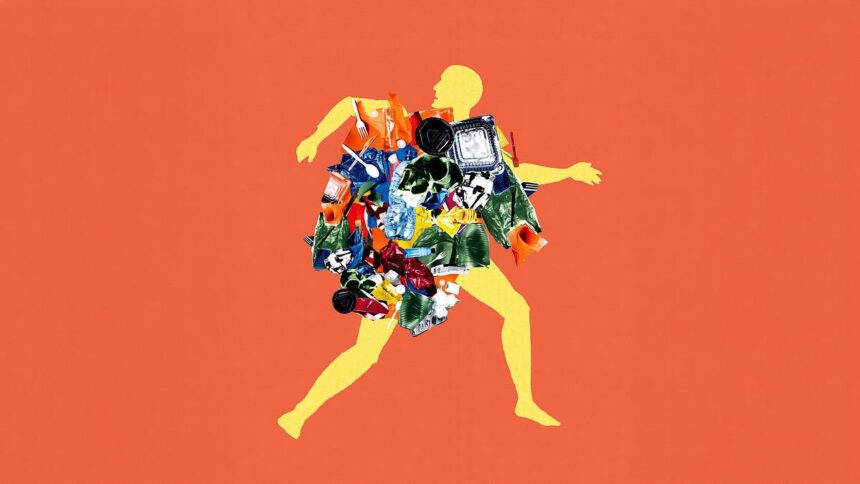
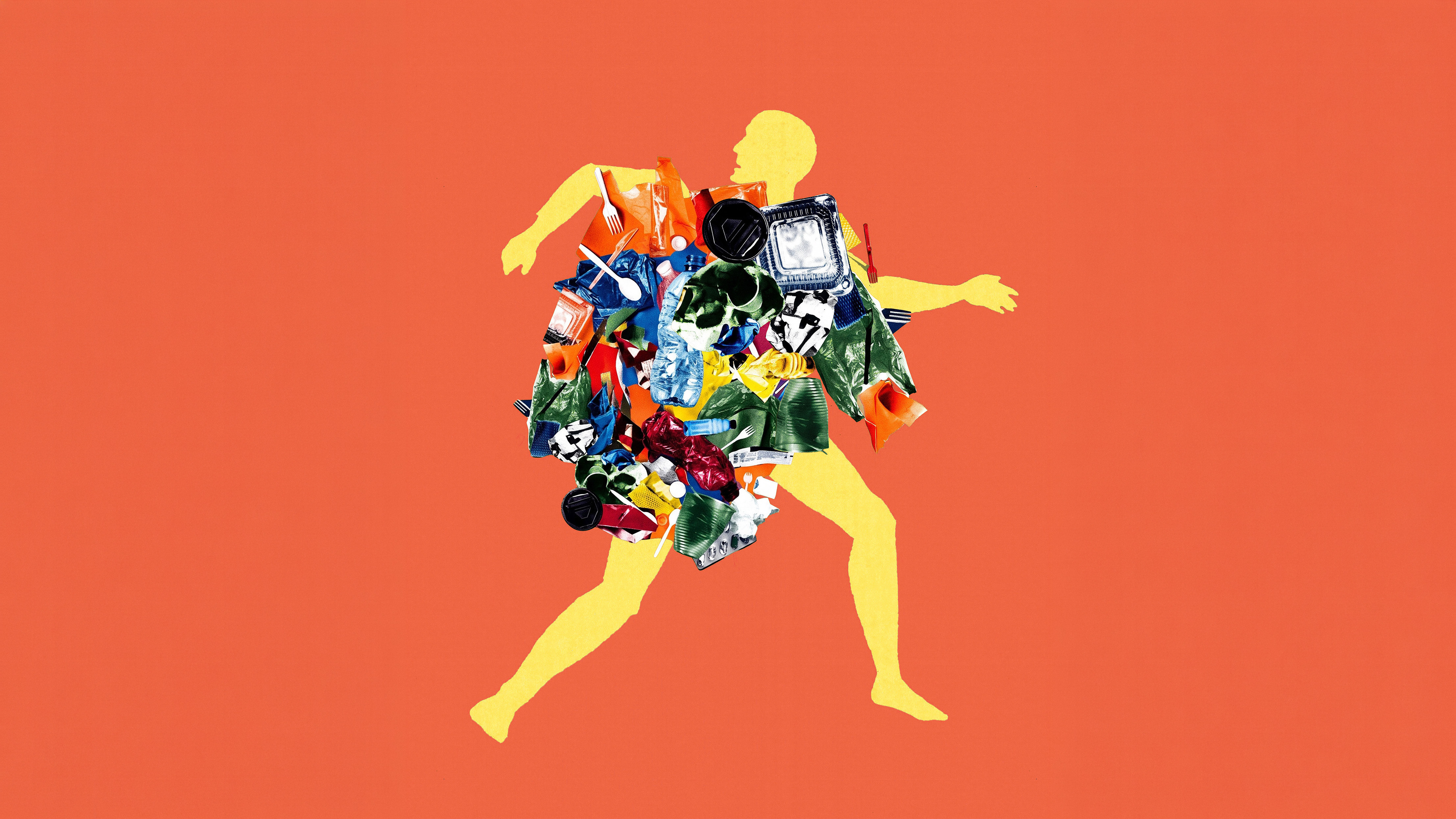
A couple of years ago, I went through a plastic-exposure epiphany. It dawned on me that nearly everything my family touched involved plastic. We prepared food on it, heated food in it, and stored leftovers in it. My kids drank from plastic bottles, sucked on plastic pacifiers, and chewed on plastic toys and toothbrushes. And that was just the plastic I could see.
So I decided, abruptly, that we needed to eliminate plastic from our lives entirely. I started reconsidering every item in our kitchen and playroom, and became suspicious of anything that came wrapped in plastic. “What are these?” my husband asked, holding up the plant-based storage bags I had bought to replace our Ziplocs. He looked up the price I had paid in our shared Amazon account and was shocked. Fifty cents a bag, compared to five cents for a Ziploc.
My quest to rid our home of plastic lasted approximately one week. Plastic bags at the grocery store, plastic in all my kids’ toys they were unwilling to part ways with, plastic packaging around practically everything I bought. Trying to eliminate it entirely was exhausting, expensive, and, for most families, unrealistic.
Mark your calendars. The Free Press and 2WAY are teaming up for a real-time interactive election night special, November 3 from 8 p.m. ET until late. See you there.
If plastic is impossible to avoid, the question of whether it harms us matters all the more. Researchers have found tiny particles known as microplastics in our blood, brains, and placentas. Whether they hurt us, and how, is still unsettled. But a study published this month in Nature offers one possible explanation. Researchers found that the six common plastics, including the kinds used in food containers and bottles, can generate highly reactive molecules called free radicals when they come into contact with water. The more water-repellent the plastic, the more radicals it produces. And free radicals can damage cells, harm that’s been linked to heart disease and dementia.
Read more