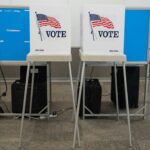


In this midterm election, voters will select 36 governors, 87 other top statewide officials (lieutenant governors, attorneys general, secretaries of state), 35 U.S. senators, 435 House members, over 6100 state legislators, and thousands of local officials (mayors, city councilpersons, commissioners, district attorneys, etc.) They will decide over 140 statewide ballot measures. As of yesterday, over 20M people had already cast ballots.
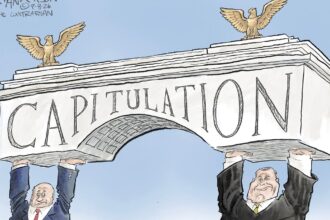
The enormity of that effort — bolstered by hundreds of thousands of volunteers, election officials, lawyers, judges, party officials, and small dollar donors — should not be lost amid the understandable and entirely justifiable anger, outrage, and fear engendered by a desperate authoritarian regime that has pulled out all the stops to interfere with elections, intimidate voters, and cling to power by whatever means they can dream up (from re-redistricting to sabotaging the U.S. Post Office). That stated, courts are increasingly halting abusive, intimidation tactics. The palpable determination of an electorate overwhelmingly furious with a cruel and incompetent regime cannot be ignored. In the end, the voters will have their say.
The more robust the turnout and the more decisive the thrashing delivered to Donald Trump and his warped cult of personality, the more confident we can be that the MAGA movement will be on a path to extinction — and that the 2028 election (for which governors, statewide officials, etc. elected in 2026 will play such a crucial role) will be conducted freely, fairly, and accurately.
How did we reach the point where we are prepared and poised for an historic repudiation of an anti-democratic regime — a Hungary-style win of a broad coalition of anti-authoritarian forces? If Democrats score a huge victory on November 3rd, there will be no shortage of individuals and groups claiming credit. But it behooves us to remember that social and political progress of consequence in American history, from emancipation to civil rights to labor rights, always comes from the bottom up, not the top down. And so it has been with the anti-Trump, anti-MAGA movement.
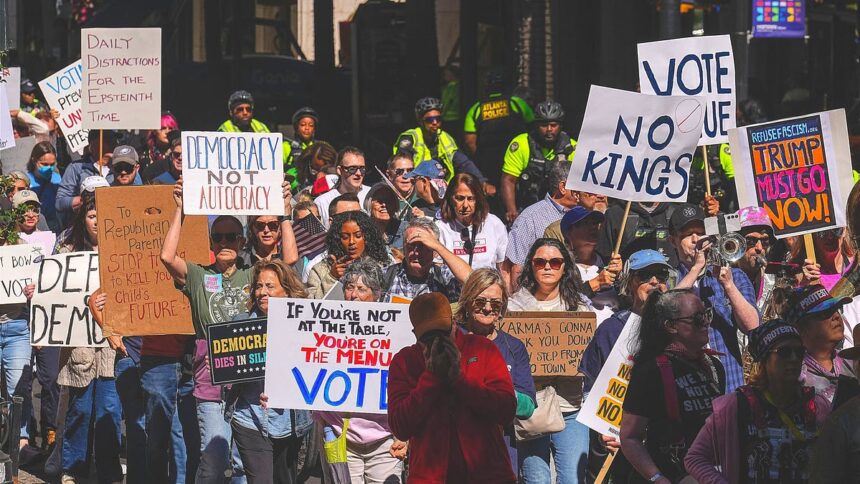
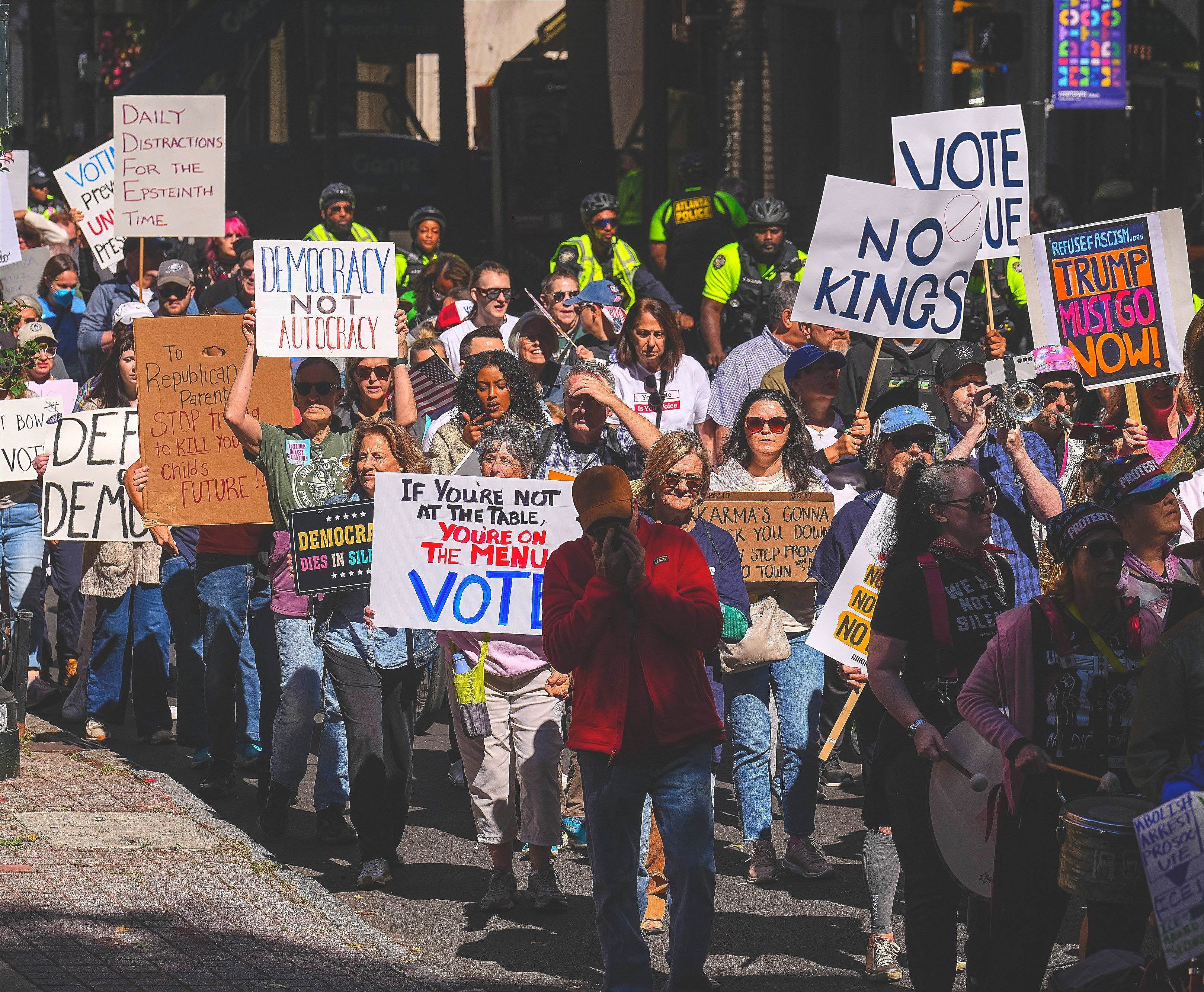
Under the umbrella of the No Kings Coalition, an assemblage of hundreds of grassroots organizations and labor unions, a series of mass events knitted together millions of Americans for ongoing political engagement, organizing, lobbying, and campaigning. Step by step, a despondent populace has recovered confidence in the power of democratic action. When millions of fellow Americans repeatedly took to the streets for peaceful protest, the anti-democratic regime freaked out, hurled insults, and tried to deny the movement’s authenticity. The entirely peaceful nature of this movement — in contrast to what we have seen in other countries — is itself a remarkable accomplishment. None of the regime’s tactics (including Big Tech’s sabotage of the type we saw Saturday in disabling the No Kings Instagram account) slowed the movement’s momentum.
But the mass events were, in some ways, the least of the popular effort. Consider what flowed from that initial burst of communal energy: Popular, peaceful protests and neighborhood organizing efforts to force ICE out of major cities; persistent pressure on Democrats in Congress to resist the Trump regime (in shutdown fights, the fight over the Big Ugly bill, the effort to deny ICE funds); a wave of new candidates who were not handpicked by party leaders emerged — many in places where Democrats haven’t been regarded as viable options; a burst in anti-regime turnout in special elections and off-year elections in 2025; and a similar flood of participation in this year’s primaries.
We know what has not been the savior of American democracy during the last 21 months since Trump retook office: major institutions of civil society, including large businesses (Big Tech being among the most egregious enablers of the regime) with notable exceptions from top-drawer law firms and universities; self-styled “moderate” Republicans (an oxymoron to be certain); the MAGA majority on the Supreme Court; collapsing legacy media outfits such as CBS and the spineless White House press corps, which failed to sustain solidarity in the face of CNN’s exclusion; California Democratic politicians who caved to the Warner Bros-Paramount merger; and the tut-tutting contingent of the Democratic Party, which kvetched about forcing issues like immigration to the forefront, inveighed against shutting down the government, and insisted voters select nominees who fit within a narrow, pre-conceived definition of “electable.”
Democrats who listened to voters, responded with aggressive opposition to Trump’s authoritarian rule, and took definitive stances on compelling issues (e.g., defunding ICE) have made enormous strides in helping rebuild their “brand.” Party identification and preference on virtually every issue now tilts heavily in Democrats’ favor. While Republicans have committed gross political malpractice — failing to exercise a modicum of fidelity to the Constitution, stand up to Trump’s egregious corruption, rein in a lawless immigration blitz, and remove corrupt and incompetent officials — Democrats going into office will have at least a conditional vote of confidence in their ability to stem the tide of fascism. That will put a heavy burden on Congress to exercise its powers of the purse and oversight, and also on state Democratic leadership to advance an effective, progressive agenda. But again, none of this would be possible without the grassroots movement that broke the back of the authoritarian regime.
Now, it cannot be emphasized enough that no race has yet been won.
No ballots have yet been counted. The admonition to “run through the tape” is a cliché, because it is a vital, essential political necessity. But judging from the excellence, dignity, and presence of mind of high-profile Democratic candidates (from Abdul El-Sayed disemboweling “Tommy” to Amy Acton’s dignified defiance of the low-life ad attack from Vivek Ramaswamy to James Talarico outwitting conspiracy mongers with his thoughtful rhetoric), the surge in early voting, and the robust legal response to ongoing attacks on voting, lost momentum does not appear to be a grave threat.
If pro-democracy forces complete the work they have begun, they will not merely celebrate political wins a week from Tuesday, but savor the satisfaction of knowing they will be recognized and remembered as undaunted defenders of democracy and participants in one of the great grassroots political movements in American history.