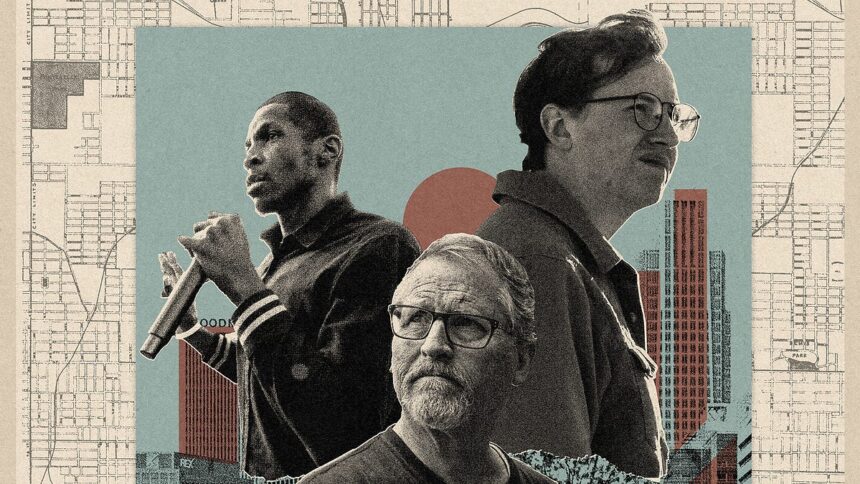
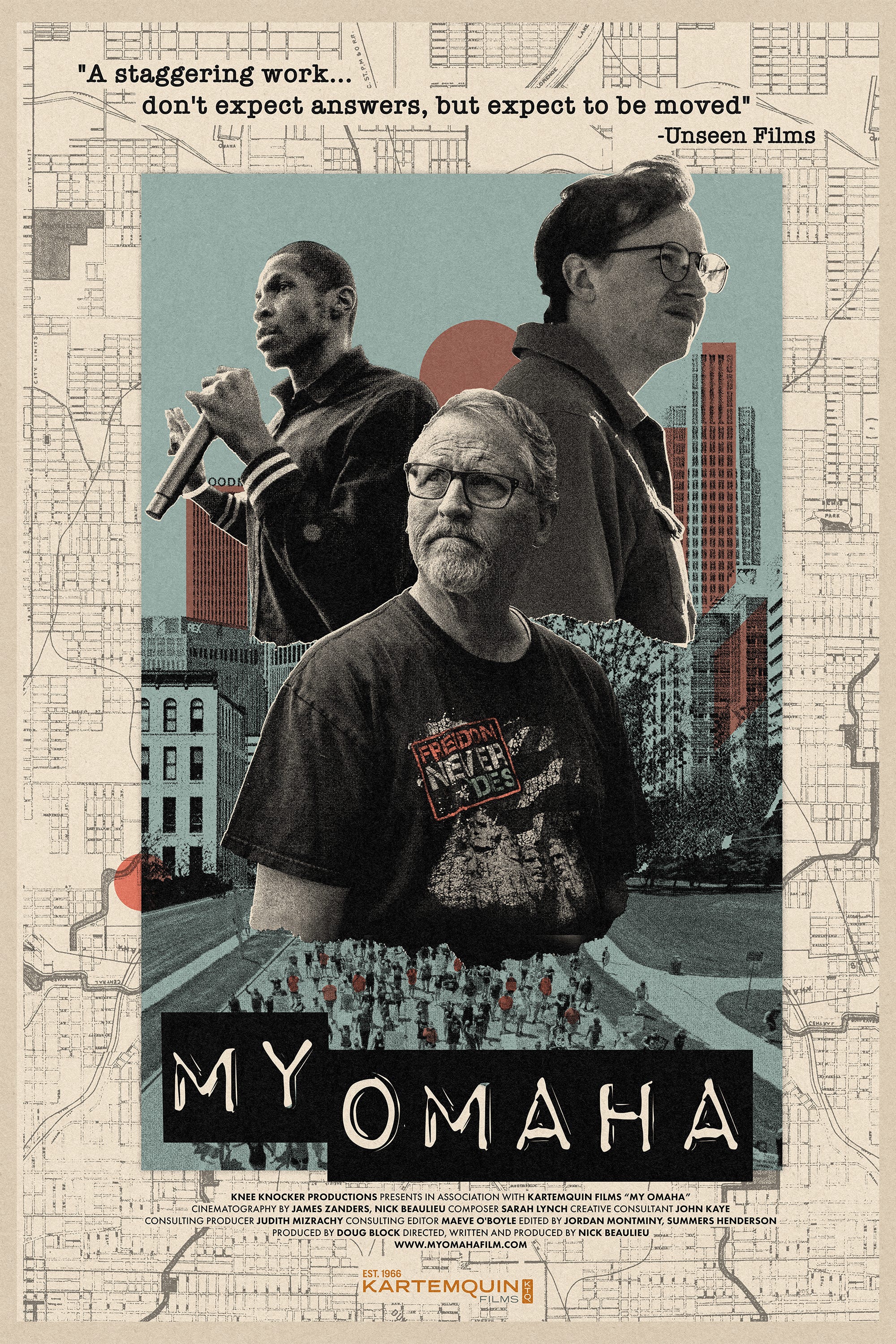
In this vHopeful Conversation, I talk with filmmaker Nick Beaulieu about My Omaha, his intimate documentary about going back to his Nebraska hometown to chronicle its fight for racial equity while trying to repair his bond with his ardent Trump-loyalist father, Randy. Nick reflects on mentorship from Doug Block and Kartemquin Films, and on why personal filmmaking means putting yourself on the line first. He also explains how filming without a crew kept his talks with his father honest. He shares how activist Leo Louis II and his father’s old friend Ghost shaped the film. He also offers advice for families split by politics: heal the emotional wounds before arguing the issues. We close with why real progress on race comes from genuine friendships, and why voting in the midterms matters as the cost of living soars and AI reshapes our society.
Transcript lightly edited. Podcast available on Apple, Spotify or wherever you listen on this Substack or Ted’s Hope for Film
Vanessa Hope: I am extremely excited to welcome filmmaker Nick Beaulieu and discuss his new film, My Omaha, which is on PBS, and it’s fantastic.
My Omaha is a deeply personal and moving documentary in which Nick goes home to film his city’s racial justice movement and tries to reconnect with his father, Randy, a staunch Trump supporter facing stage four cancer. My Omaha is Nick’s feature debut. It premiered at the Slamdance Film Festival, was made in association with Kartemquin Films, and was produced by Doug Block.
Before My Omaha, Nick produced short films for the PBS series American Portrait and was a contributing writer on The Last Tear. Nick is based in New York now, and he also works as a marketing consultant for filmmakers, film festivals, and distributors, and writes a Substack on film marketing called Nick Beaulieu on Substack. Nick, it’s so great to meet you here. Thank you for joining.
Nick Beaulieu: Likewise, Vanessa. Thanks for having me.
Vanessa: I really was moved and enjoyed your film and the story as it unfolds. You’re a true seeker, and your seeking guides us and the story. And you’re very upfront about the questions that are guiding you and how additional questions build as the investigation, the story, your journey unfolds. I wonder whether you began from the question or you began with a desire to return home?
Nick: The question I started from was, why did my city, Omaha, where I’m from, have such a hard time basically confronting this reality of the tale of two Omahas? Which is that we had this reputation as this very affluent city, one of the best places for the middle class, one of the lowest unemployment rates in the country. You know, we were, the home of Warren Buffett, right? Whereas Omaha’s Black community was really struggling and had been for a long time, with everything from low education rates to homicide rates that were really high compared to the rest of the country. And it just seemed like people could not talk about these two things.
And so that was the jumping-off point. I was really driven to understand why we were trying to brush this issue under the rug or just couldn’t confront the reality of this division in our city. And when I did that, it kind of opened my eyes to areas of my own life where I felt like I needed to address some of my own division, you know, within my family, within my life, just to feel like I was also practicing what I was kind of preaching with my filmmaking.
Vanessa: You do. I also appreciate how you speak about being from a more privileged background and what that means in meeting people who have had very different life experiences. At what point did you bring Doug Block and Kartemquin in?
Nick: So Doug came along right around when I had started filming with my dad and was really pushing the film in a personal direction, which was so great, because Doug is one of the masters at personal doc filmmaking. You know, when I saw his movie 51 Birch Street, I was like, so inspired, and it gave me so many great ideas of how to do this. And when you’re making something personal as a documentarian, it’s very hard to trust or connect with people who understand how hard it is to film with your family. But when you meet someone who’s done it, it’s a real relief. So Doug came along around, I think it was in 2020.
And then Kartemquin came on board kind of right at the very end. I had always, you know, respected them so much and loved their films, and kind of felt like the ship had maybe sailed to work with them, because we had already filmed so much and had developed the film, and I kind of assumed that maybe that’s when they came on board. But I learned that they actually will come on board films, you know, while they’re about to start up distribution and stuff. And so we connected with them then. They really felt like the project aligned with their values, and it’s been an amazing partnership since. So grateful for both of those two people you mentioned, for sure.
Vanessa: And I wonder, because you begin the film with a lot of home video footage, you’re only four years old, it feels like your dad was filming you all throughout your life. Did that also plant a seed of being willing or open to turn the camera on yourself and get personal? Or how would you advise other filmmakers who are curious about it? I’m kind of curious about personal filmmaking. And what do you suggest is the way in?
Nick: That’s a good question. Well, it’s not for the faint of heart, for sure, you know. And I think that that discovery with my dad was really kind of actually after he passed, discovering how rich these home movies were that he filmed, like how artistic they were. Like, he was framing shots very thoughtfully and doing things that were cinematic, which was kind of amazing. And so I think that that was, like, an unconscious effect on me as a filmmaker.
But I think advice I’d give to other people who are interested in doing it is, you know, to lead with curiosity, but also be willing to make yourself look dumb. I think that’s, like, a good rule of thumb when making personal art, is like, you gotta be the one willing to take the heat and to be the sort of, like, instigator or provocateur, because your family is doing this out of generosity, which is, like, something you really have to honor, I think.
Vanessa: Well said. And you also have tremendous compassion and love when you’re speaking truth to power or you’re trying to bridge divides. I think your humility and honesty is very inspiring. It is modeling the behavior that we would like to see in the world, in a way. Is that natural to you and your life experience? I love how you choose to follow Leo Louis II.
Nick: Yeah, you know, before I was a filmmaker, I was a journalist, and I was studying and training to be a journalist. And so this idea of really seeking the truth and trying to understand the reality of complicated things has just kind of always been embedded in me. And you know, it’s really interesting that I credit my dad in some ways with also instilling that, because he raised me to be very civic-minded and very engaged culturally, politically. We were very involved in our church growing up. Obviously, when you watch the film, you see that my dad brought up politics from a very young age. And yes, I decided to kind of go in a different direction, but that kind of, like, shared desire to be engaged because you care about the country or you care about your community stuck with me. So I think my upbringing had a lot to do with that.
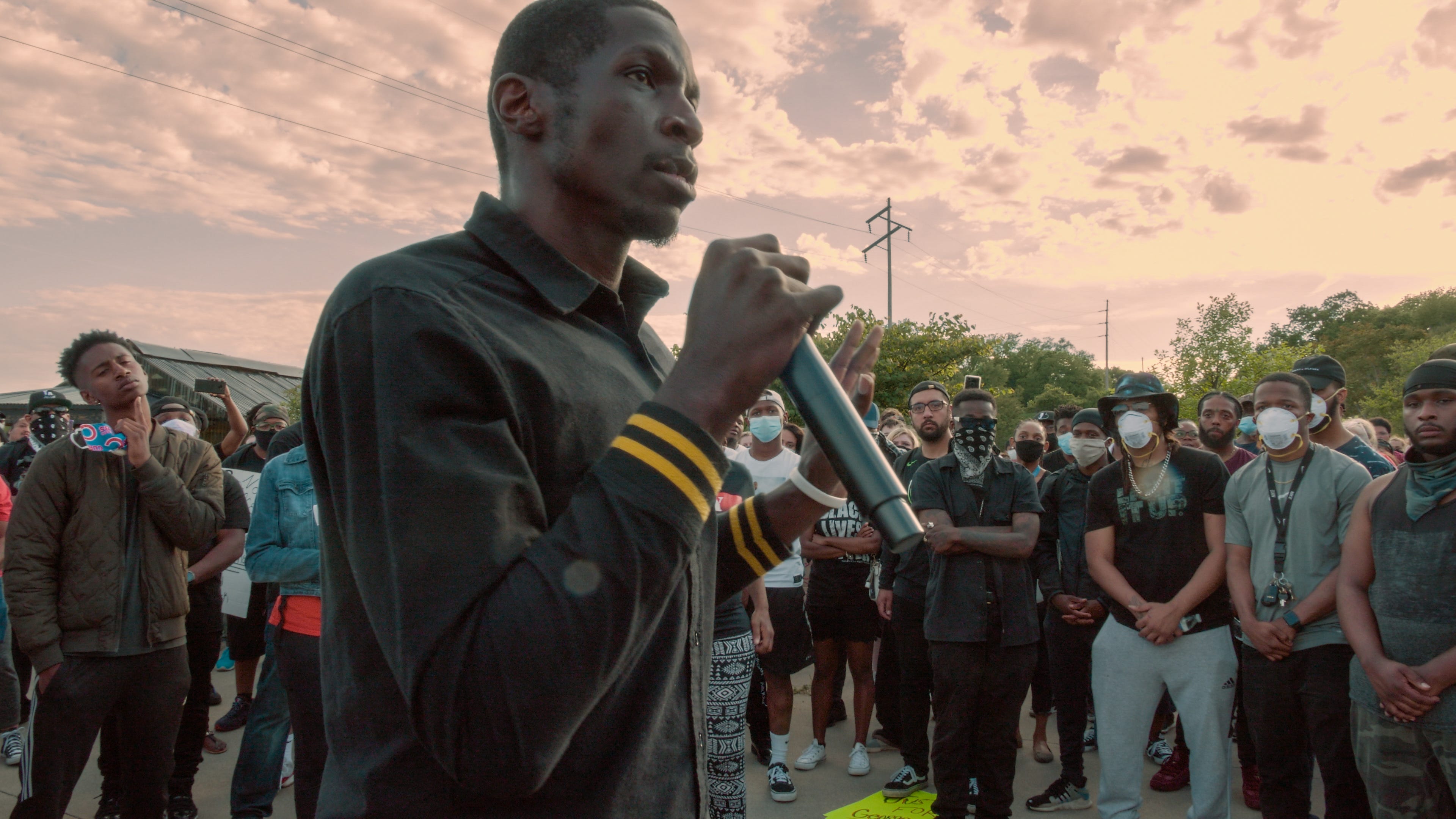
And, you know, Leo Louis II, like, really brings such an amazing voice to this film, because he’s so, like, completely authentic. And what’s amazing about that is I knew it from the very first moment I saw him, which was a moment you see in the film. There’s a scene when Leo kind of very passionately interrupts this community city meeting where there’s, like, hundreds of people there. And for people who don’t know Omaha, this type of meeting had, like, every who’s who in the room. Every elected official, every nonprofit CEO, every decision-maker.
And Leo took a tremendous risk by being so disruptive and so confrontational at that meeting that I saw that and recognized the amazing selflessness in that act. To see someone who felt like they were doing the right thing and was willing to jeopardize all of that kind of capital for what they felt like was the right thing to do, I immediately knew, like, this is someone I need to get to know and speak with and work with if I’m gonna make this kind of movie. And unfortunately, I think that instinct and intuition was correct, because as I follow him and as you learn more of his story, it’s just a continued evolution of that same spirit of total authenticity.
Vanessa: It’s your authenticity recognizing his at the same time. I think a different person with a different political point of view might have simply felt offended by what Leo Louis says in the meeting and been turned off, and you were drawn in. And then you two form this bond, which is very moving. And you speak about, and he speaks about, the importance of sharing experience in order to bridge divides. It’s remarkable, because as you’re saying, the technique might be to present as “dumb yourself down” when you’re doing a personal…
Nick: Be willing to be the bad guy, in a way.
Vanessa: Be willing to be the bad guy. You have such a presence, even when you are making yourself into the, quote, bad guy. You don’t feel like one, because we know you’re actually listening carefully and you care. And that care and consideration and compassion continually comes across.
I mean, I feel like so many films and filmmakers have precisely this desire, to bridge divides and to make a better world, and yet will go to great lengths, at great budgets, with great, you know, artistry in different forms, in order to get to this core storytelling that you’ve achieved in the simplest, most low-budget way. I think that it’s an amazing feat.
Nick: Thank you for saying that. You know, I think that one of the things that aided the vulnerability of my film and the ability to allow people to speak freely and openly is that the production influence was so minimal. It’s literally me and a camera. I mean, even when I filmed with my dad, I would set up cameras on tripods, put the shots in focus, and hit record and sit down and put a timer on, and it was just me and him.
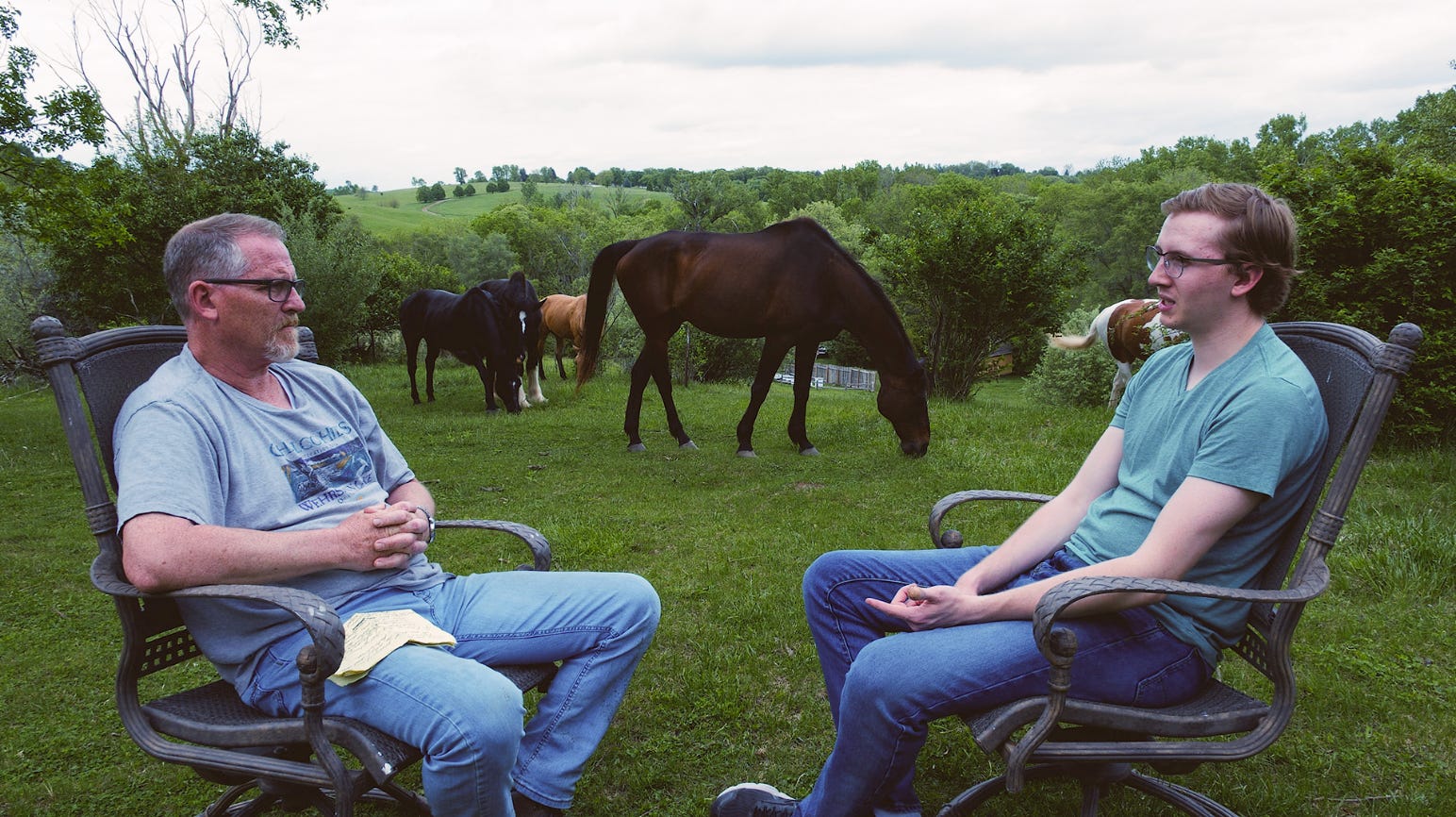
And I always knew that if I brought in a camera person, a sound person, a producer, you know, a five-, six-, seven-person crew, that it was gonna totally, like, neutralize the ability for us to really connect as a father and a son, because we would just be feeling the influence of these people. It would feel like a movie. But I was able to make it not feel like a movie because I made it just me and him.
And I think that that is something I want to continue in some ways. It’s very challenging, because there’s cost to that. I think my film has a rougher look in some ways because of that. But I think what you achieve is worth it. And so it’s trying to find a balance of getting that authenticity where you can in those methods, but also still not compromising the necessary filmmaking things you need to do, you know.
Vanessa: Yeah. And you’re leading with kindness, I think, throughout your process. And we should maybe go a little deeper into the story with your father, because I think what you achieved there is meaningful for people who in their own families may also face these political differences and fear even broaching a topic that’s gonna create tension or conflict. And your method is really, it’s like a peace and reconciliation process.
Nick: Yeah, you know, what I advise people on, because I get this question a lot when I’ve been showing the film, is like, how do you start the conversation? What are the sort of tricks or the things that work on having a productive conversation? And in my opinion, when you have a political or religious or a cultural divide with somebody, I think that you cannot make any progress on any of those issues, and how you both feel about them and how it affects your relationship, until you address the underlying emotional wounds that really those issues are standing in for.
So, for example, with me and my dad, you know, he was pro-Trump, very conservative. I had become liberal and Democratic. But yet we were allowing these issues to really actually stand in for the fact that my dad felt like I did not think he was intelligent because I didn’t follow his political beliefs. And he also felt guilt around how he raised us and how he, you know, how he often would yell or have temper issues. And, you know, I felt a certain guilt about not being a good son or not having enough respect for my dad.
And so, like, it wasn’t until we actually cut through and talked about that stuff, like, talked about these, like, just sort of real, raw family problems and issues and emotions that really boiled down to trust, respect, and love, that we were then able to actually talk about the things that we were kind of bickering over on the surface. And those surface things, even to some end, are very challenging to make progress on, because it’s so hard to agree on a mutual set of facts these days, too. So, you know, I think that’s what I tell people, is like, you gotta go to the core as soon as you can.
Vanessa: And you even go deeper, because you find an old friend of your father’s who shares another point of view about him. When did that come about?
Nick: You know, it was a pretty late discovery. I was watching some of the interviews with my dad after he passed away, and he mentions this guy Ghost in an interview. And I kind of remembered it in the moment, him talking about it, but then when I rewatched it, it had, like, a newfound kind of importance to me after my dad died. So I started to just ask around with people who know my dad, like, “Hey, do you know who this guy is? Do you have a phone number for him?” And I just called him, and he had this, like, immediate outpouring of emotion about my dad over the phone, which made me feel like, man, like, I really gotta meet this person. Like, I don’t know where this is gonna go. But it was like an instinctual light bulb went off, where I’m like, this is a very important person, not only for this movie, but also just for my own grieving and healing journey of understanding my dad better.
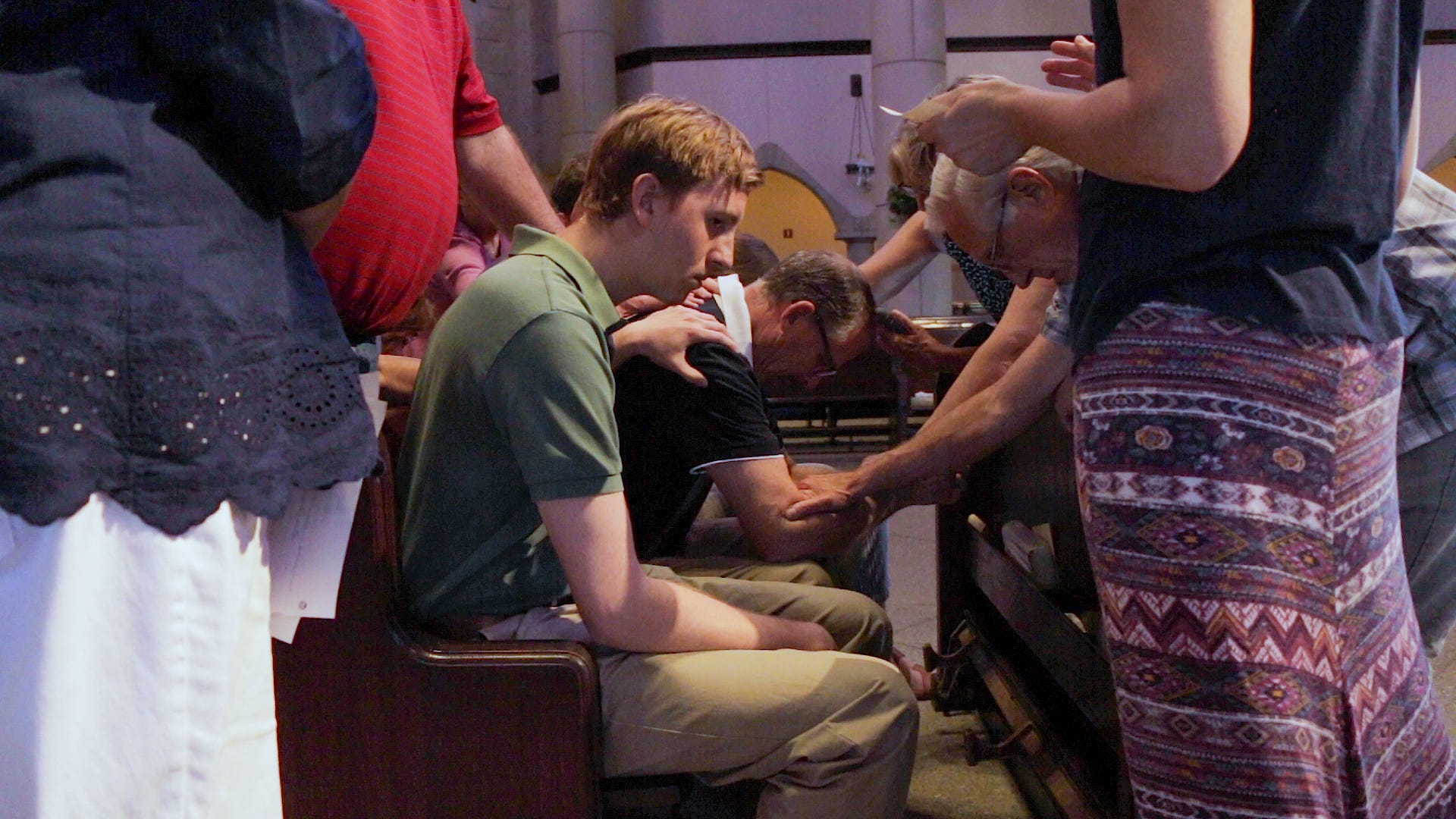
So I made plans as soon as I could to go visit Ghost, who lived in Kentucky, and the experience was, you know, life-changing. And when I left, I’d spent about three days with them. On the drive home, I really felt, like, in my heart, like, okay, the movie’s done now. Like, you can stop filming. Which was an important thing to recognize when you’ve been filming a project for, like, eight years, you know. Like, it’s not always simple and easy, when you make this kind of movie, knowing when to stop. But it was like a sense of peace knowing, okay, you’ve got the final piece of this puzzle.
And, you know, it’s not like it was easy after that, because the editing took a long time and it was a complicated story to craft. But there was this sort of amazing feeling of knowing that you’re done. You know, you can now close the book on the seeking part of the story and now put it together and put it out into the world.
Vanessa: Yeah. First of all, sorry, I’m really sorry for your loss. I wasn’t sure if we were gonna go there about your dad, and that’s heavy, and it’s a big factor in the film, because we all wonder, when we know our days are numbered, will that allow us to change our minds, or will we prioritize reconciliation over political difference? And what is fascinating is when he becomes aware of his diagnosis, one of his choices is to interview you. And, death doesn’t necessarily bring a change in his politics, but it brings love and connection between you two, because you build that.
And what I gathered from, and I agree that that last interview is a great way to close the film, and this is, again, thoughts brought to mind by your film, which didn’t need to spell everything out, is that there’s a level of economic hardship for people in this country that the Democratic Party has failed to address. And that is a big part of why people turned to Trump, even though he’s all about the money and power for himself and his cronies. The fact is, everyone is failing the majority of people in the country right now, who are suffering tremendous, outrageous economic disparity compared to the top 1%. One percent of 1%.
But I don’t know if those thoughts were in your mind? Or you just felt like, show the emotion and the person? Because what this person gives us a sense of is that even though your father doesn’t want to give way on his politics, he was a person who differentiated someone’s behavior from who they are as a person.
Nick: Yeah, you know, I think that what I hoped some of the subtext, or what you would gain from that story from Ghost, was that my dad possessed a certain amount of generosity and open-mindedness and, you know, just, like, a sense of giving that I think a lot of people don’t assume Trump supporters have. And I think it’s a really dangerous and false assumption to make, because it’s just further alienating and further divisive thinking.
And, you know, it’s interesting about class, like you mentioned, because I think a tragic thing is, I think my dad had much more in common with a lot of working-class people, especially people of color in the working class, than he did with anyone in the 1%. And I like to think that if he was still alive, and if there was more time and he could see how things progressed, that maybe he would become more aware of that fact. But, you know, we didn’t get there. But I think in spirit, something like that relationship with Ghost showed that on a core level he recognized that, and it came through in a way that I think is satisfying to me.
Vanessa: And it’s clear in the film, and you mentioned, you had a special bond with your dad. And you make one attempt to interview your mom, and she kind of isn’t gonna go there. I’m still curious where she is in all this now, how she feels about it, and has she seen the movie? Has your family seen it? How do they all feel about it?
Nick: Yeah, you know, my mom and I are really close. She’s seen the movie several times, and she likes it and respects it. And, you know, her choice to not want to be in the film is just, she’s very camera shy. It’s really that simple. Which is frustrating as a personal doc filmmaker, but I’m working on her. I think maybe the next film she may be more a part of.
But, you know, ultimately, there’s a lot of other family members I filmed with, but we, over the course of the edit, really minimized that, because it really is singularly kind of about me and my dad. But I’m grateful that also my brother and sister have been supportive and happy about the film’s success.
And, you know, I just wrote a Substack piece, actually, about one of my great-uncles’ responses to the film. This uncle of mine named Larry, who is actually on my mom’s side, but he’s in his 80s, you know, Navy veteran, conservative guy, you know, someone I was kind of afraid of seeing the movie, because it’s just so, like, vulnerable and political. But he, like, loved it and, like, hasn’t stopped talking about it. And, like, I talked to him about it, and it was, like, just amazing to see how the movie could cause someone who was, like, a, you know, Midwestern 80-year-old, like, kind of, like, tough, typically reserved guy, speak very vulnerably about fathers and sons and political differences and racial politics and things that I feel like that culture typically does not produce. And so it’s been really fun to see how the movie has made my family talk about things in a new way, too.
Vanessa: And what are your thoughts now on racial politics, in particular in Omaha, but in general? And how they should be handled?
Nick: Well, yeah, I think that what I really learned from this is that you really can only get so far from reading books or listening to podcasts or, like, sitting in rooms with, like, artificial discussions about racial justice and theory around racial politics. Like, that’s an artificial way to engage in society. I think really where change comes from is, like, forming relationships and having experiences with different people and different cultures than yourself, and doing it in a way that is, like, out of genuine interest, and that is, like, safe, and that is, like, mutually beneficial. So, like, you know, going to cultural events or festivals when they’re happening, or volunteering at organizations, or, like, it’s really what Leo’s message in the film is, which is, like, having a shared experience with someone.
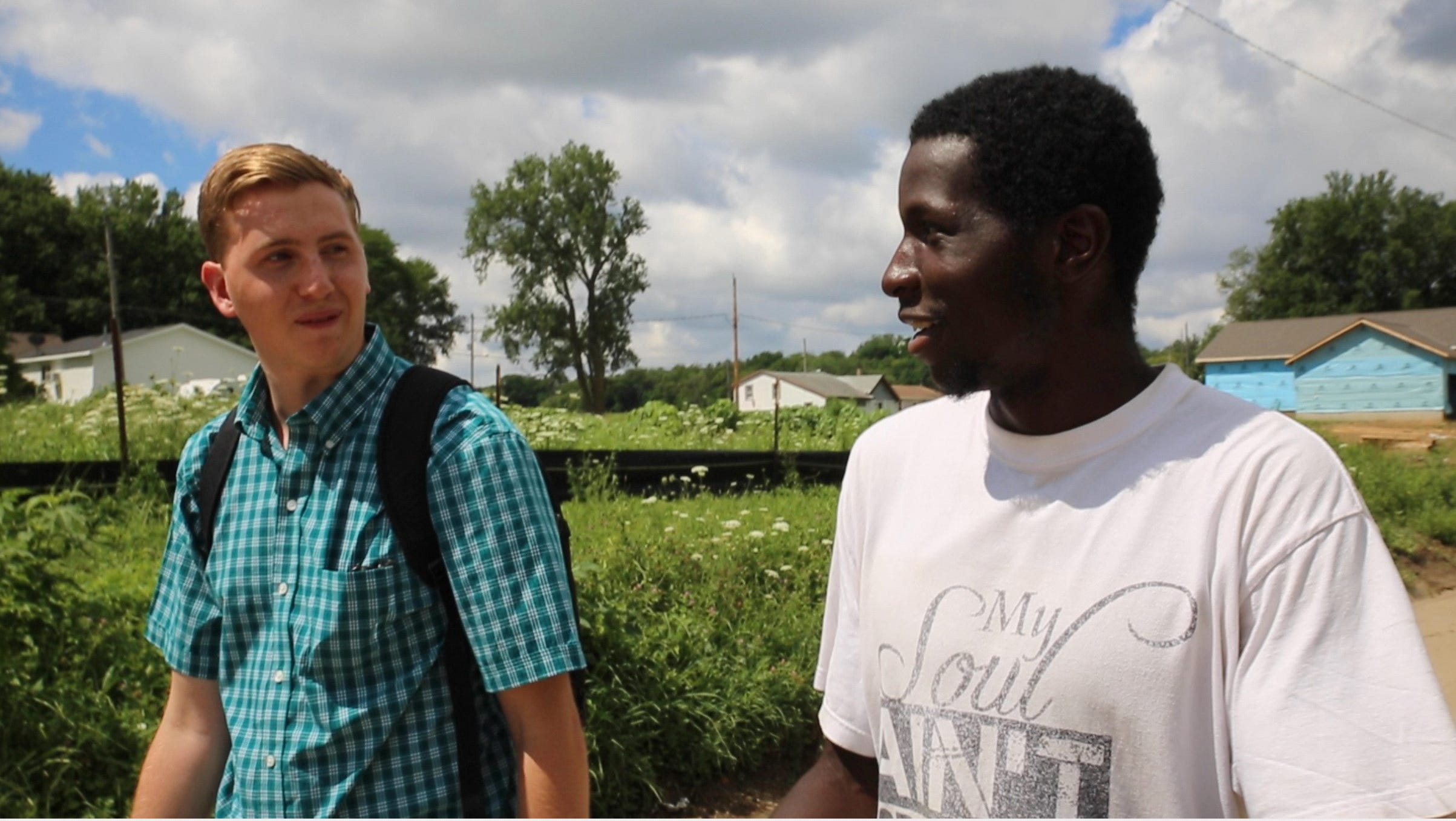
Because I did both, you know. I filmed in North Omaha and had all of these experiences with people for years. And I also sat in those rooms, and I read all the books, and I talked about all the issues, and I gained way more from the former than I did from the latter. You know, not that there isn’t something to be gained about studying these things, but I think that that alone is not the answer. And I actually think it’s more accessible to promote the former, because it’s not, like, you know, it’s not as controversial. It’s just as simple as, like, go talk to someone you don’t know or you don’t understand and get to know them better, you know.
Vanessa: Yeah. And with the midterms coming up and everyone needing to vote, what are your thoughts for your audience and people in general?
Nick: Well, just that I hope everyone votes, you know. I think, not to sound, like, hyperbolic or, like, cliché, but, like, this election just feels so important given all of the, really, where we’re at, like, technologically in this country. Like, I know with my generation and generations younger than me, it’s like everyone is thinking about and concerned about how AI is, like, changing our society and our culture. I really want people in power that are willing to think about the implications of this type of technology and how it’s going to shape our society. And I think that I would encourage people to let that issue, you know, guide them when they think about voting.
But also, like, I was just talking to, you know, there’s a pastor in my film, Cynthia Lindenmeyer, who’s become a great friend.
Vanessa: She’s great.
Nick: And yeah, she’s amazing. She and her husband, Vince, were amazing supporters of the movie, too. And we had a catch-up the other day, and we’re both just talking about how expensive it is to go get a meal. You know, she told me that she went to a salad place, and it was, like, you know, a $40 tab, you know, to get a couple salads or something. And so, like, we’re also living in such a, like, expensive world. So, you know, I’m never gonna be anyone to tell someone how to vote or who to vote for, but I think that, like, I don’t know, by this point the choices seem quite clear to me, you know. But listen to your heart and, you know, go where the issues guide you, I suppose.
Vanessa: All right. Well, I think your film is a guide toward valuing all of our community and connection and coming to that with good intentions and a desire to make a better world, which isn’t always what is guiding every politician. And we hope one day we will have those kinds of politicians in power, taking care of people, leading with kindness, and providing the basics that we all need to live and survive.
Nick: Yeah, thank you, Vanessa. It’s a great conversation, and I appreciate the great questions.
Vanessa: Really appreciate your movie, and I can’t wait for everyone to see it on PBS.
Nick: Yes, you can watch it on PBS, you can watch it on YouTube. It is available for free until January 3, 2027. So now’s the time to watch it.
Vanessa: Right. My Omaha. Get out and watch it and vote!
Nick Beaulieu is a writer and filmmaker based in NYC. His feature debut My Omaha premiered at the Slamdance Film Festival in 2025 and was acquired by ITVS for distribution on the PBS series Independent Lens. Previously, he was a contributing writer on The Last Tear and produced short films for the PBS series American Portrait. He also works as a marketing consultant for filmmakers, film festivals, and distributors and writes a Substack on film marketing called Nick Beaulieu on Substack.
WATCH MY OMAHA NOW ON PBS
OR
ON YOUTUBE