

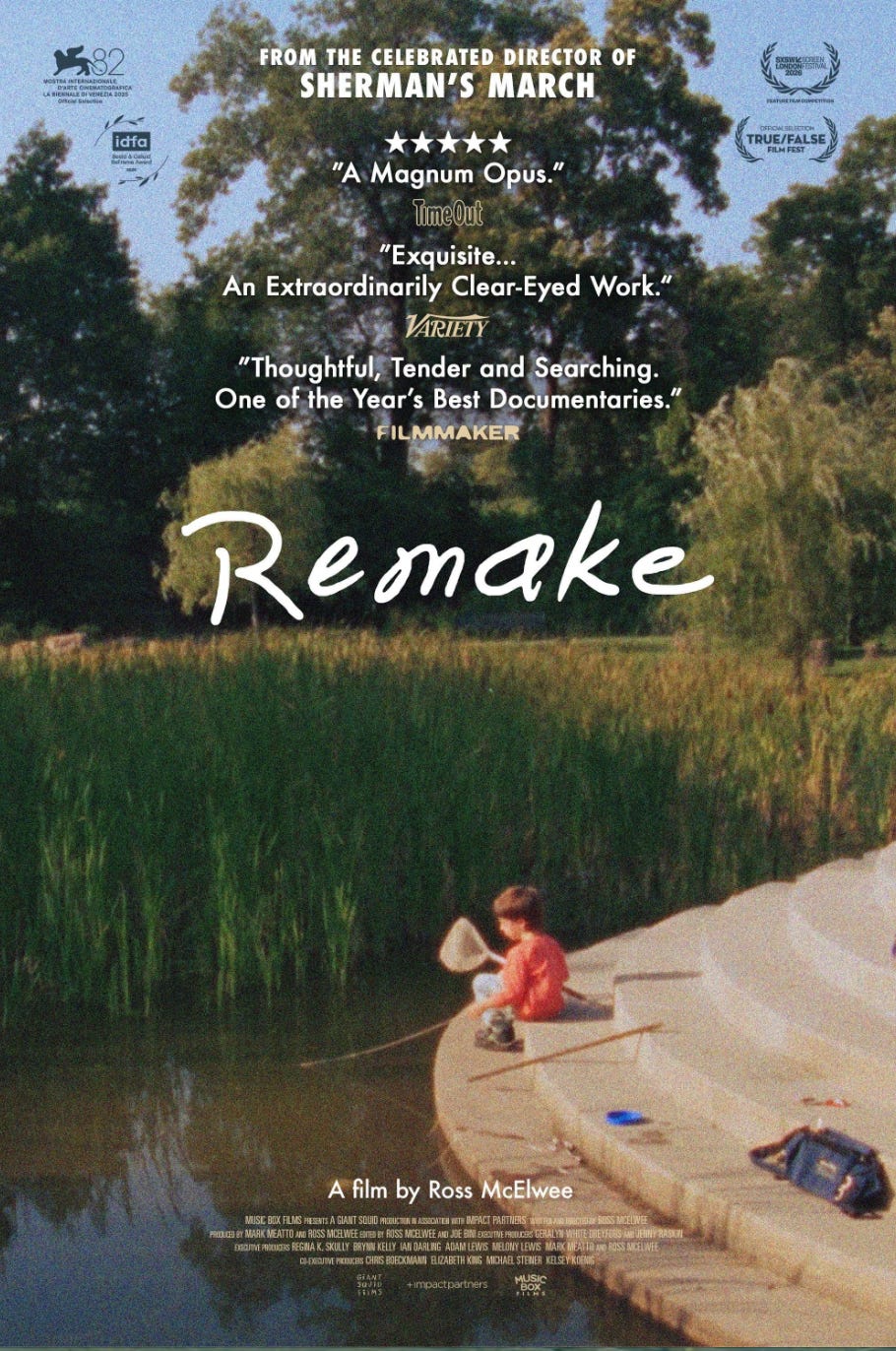
I was honored to speak with the extraordinary filmmaker Ross McElwee about Remake, his profoundly moving new documentary built from a lifetime of footage—including material filmed by and with his late son, Adrian. In this intimate vHopeful Conversation, Ross reflects on returning to the archive after devastating loss; discovering Adrian’s own voice, humor, and unflinching filmmaking; the evolving relationship between cameras, privacy, and self-representation; and what a film can offer people grieving a child, a sibling, or someone they love. We also revisit the enduring brilliance of Sherman’s March, its irreverent meditation on romantic love, Southern history, militarism, and nuclear anxiety, and talk about legacy, teaching, documentary friendship, and the possibility that art can offer not answers, but companionship.
Transcript lightly edited. Podcast available on Apple, Spotify or wherever you listen on this Substack or Ted’s Hope for Film
Vanessa Hope: I am very honored to be joined by Ross McElwee, who is one of American documentary cinema’s essential first-person filmmakers. Across four decades—from Sherman’s March, a fantastic film Ted and I just rewatched and everyone should watch, which is playing in theaters again right now and won Sundance’s Grand Jury Prize, to Time Indefinite, Bright Leaves, which marks the beginning of my relationship with Ted—we watched that one together; it came out in 2003—and Photographic Memory, which is highly referenced in the current film we’re about to discuss—Ross’s films have combined autobiography, cultural observation, formal curiosity, and a wry, searching sense of humor. His work has premiered at Cannes, Berlin, and Venice and has been honored with a Guggenheim Fellowship, the Pennebaker Award, and a major MoMA retrospective.
His new film, Remake, is highly personal and includes footage made by and with his late son, Adrian. And again, Ross, I am so sorry for your loss. I know this is a very tough subject to discuss. As a long-delayed Hollywood adaptation of Sherman’s March unfolds in the background, Ross confronts the limits and possibilities of the archive: what the camera preserves, what it misses, and how a father might hold on to a son while learning to let him go. Ross, thank you so much for joining.
Ross McElwee: Thank you, Vanessa. Very nice introduction. Thank you.
Vanessa: Good. And it was such a pleasure to meet you in person. I’m so thrilled that that did happen in Cambridge, at Geralyn Dreyfous’s house. She’s one of the world’s best documentary producers, and we’re lucky to share her.
Ross: And a good cook to boot.
Vanessa: And a good cook to boot. Your new film, which is called Remake, evokes the stalled fictional adaptation of Sherman’s March, but also an attempt to revisit an archive and maybe remake one’s relationship to the past. After Adrian died, what helped you find your way back to filmmaking?
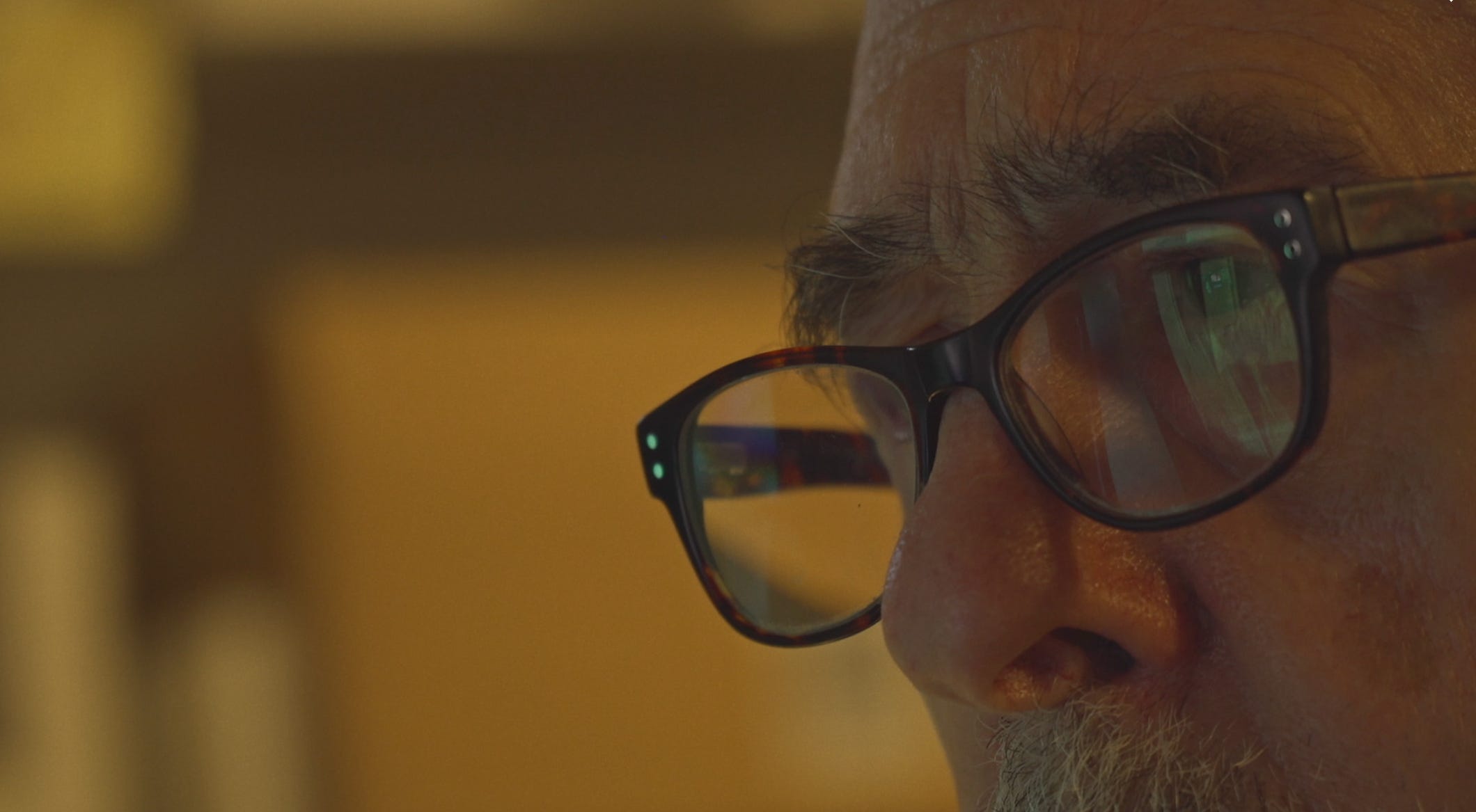
Ross: It was a very protracted process. I’d already begun making the film about the remaking of Sherman’s March. That was underway. I’d filmed several things. The remaking of Sherman’s March had not reached the production stage, so there wasn’t a lot to film, but I did the best I could around the periphery of the project. I had gathered footage and was thinking this would become an interesting film of some kind. I didn’t know where it was going to go, but I was glad that I’d begun it.
When Adrian died in 2016, I suddenly realized that film was no longer valid for me. I felt the remaking of Sherman’s March was an idea that had such built-in irony and, presumably or predictably, humor, that it just seemed inappropriate for me to pursue that film now that my son was gone.
For many months, I didn’t know what I was going to do, if anything. I mean, I couldn’t even look at photographs of him that I have on the wall here or anywhere in the house, much less begin to look at footage that I had filmed of him and with him as a child and then later on as an adolescent.
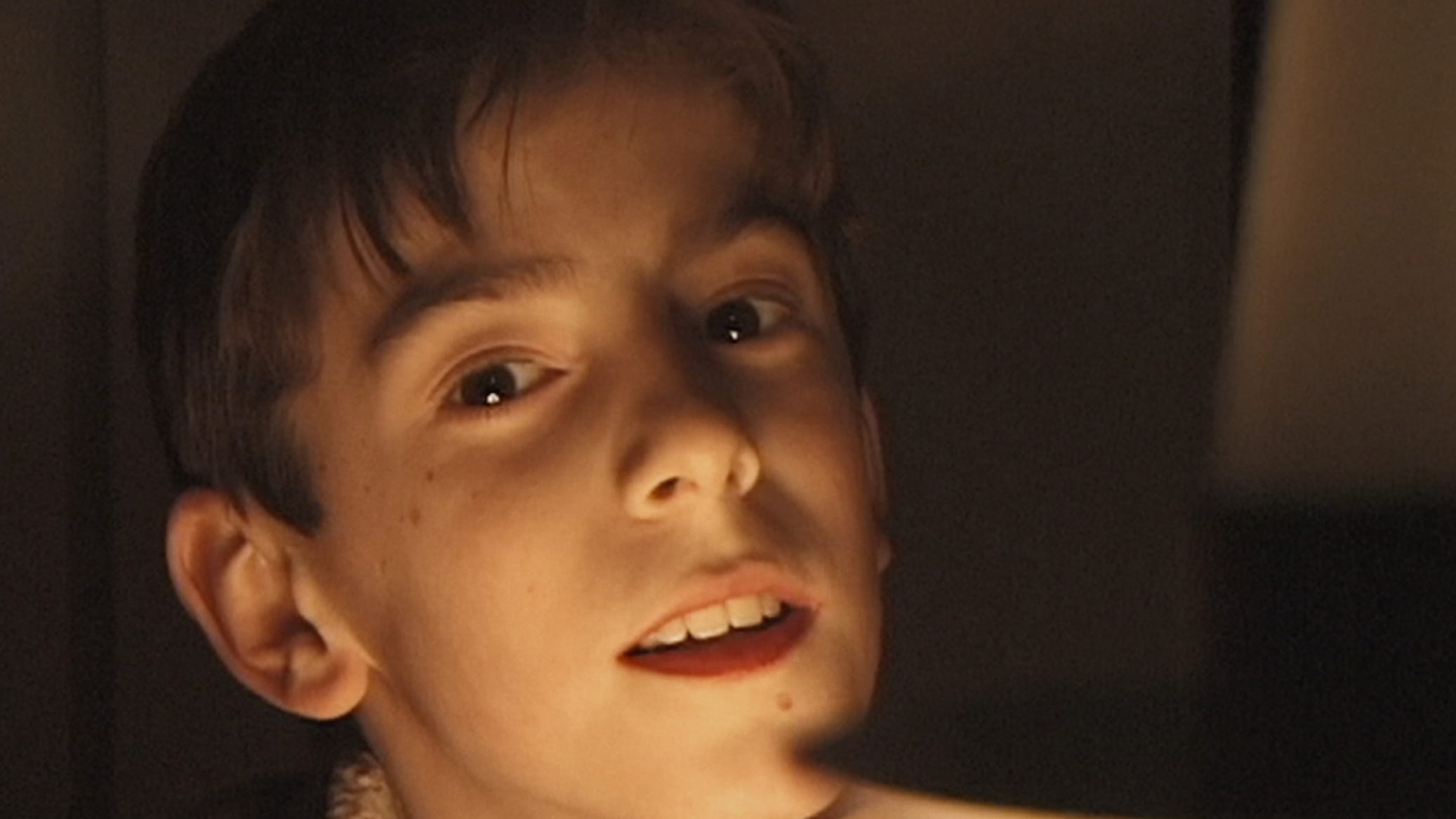
My way of dealing with this was to hire a former assistant of mine to go through the six or seven documentaries I had made up to that point in which Adrian, my son, appeared. I thought that if she could just select—and I would trust her to do this—one or two frame grabs, just still images from the documentaries in which Adrian appeared, and give me those frame grabs, I would start to write to them in some way. Just free-associate; write little essays about where my life was, where his life was, and what was involved in the making of each of the films. Perhaps that would provide a way for me to begin to consider making another film about him without him.
That was the plan, and I did that. It took about six months. What it did was break the ice, and I could really begin to think about going back into the archive, finding things I filmed of him as a child, and somehow imagine how I would trace his downward spiral, insofar as I could, toward addiction and eventually his death.
My close friend and companion producer, Mark Meatto, was sort of by my side during this whole thing. He and I had been working together on the Sherman’s March remake project. I just told him I felt I couldn’t do that film anymore. I would have to really rethink where to go next. He was steadfast and helped me keep moving forward.
We had a couple of things we’d already set up to shoot, so we did shoot those, going to Los Angeles, but my heart just wasn’t in it. I think he could probably tell. So that project, the remaking of Sherman’s March, sort of stalled.
Meanwhile, I started just assembling footage that I liked from the archive of Adrian as a child and seeing where that would take us. I think within a year—I forget; I’m so bad with timelines—but I think within a year and a half, I had something approaching a rough cut of the film.
At that point, I felt my wife, Young Kim, was terrifically helpful in helping me choose which of Adrian’s footage would be appropriate to use. That was a big help too. We had a lot of help from different people who came in.
Finally, we got some money from Impact Partners and were able to hire Joe Bini to come in and help me finish the editing, because I really couldn’t figure out how to deal with this mass of material, the emotions that were involved, the psychological barriers I felt I had to go through in order to deal with it. Joe came in with just the right amount of energy and perspective on the material and helped us finish it. That’s a kind of diagram of how I went from the time that Adrian died to the completion of the film.
Vanessa: And you speak about this in the film: you really started to see Adrian through his footage, through his own eyes. You share credit with him on the film, and you discovered he was in the process of making several films. I wonder what new understanding you came to after seeing Adrian through his own footage.
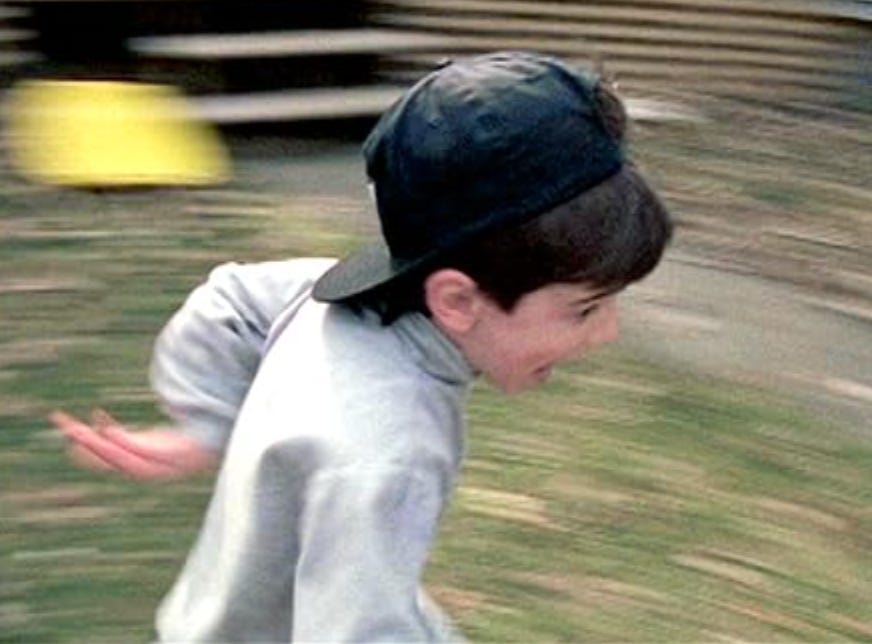
Ross: The early footage, there was a lot I saw that was familiar to me. There’s one brief clip of him doing skateboard tricks in the street in front of our house. A little girl comes up and sort of asks him if she can watch, and then she proudly tells Adrian that she too can do tricks on the skateboard. Adrian lends her his skateboard, and she’s demonstrating some of her tricks.
Adrian’s from behind the camera, and I was not even there. This is just something Adrian shot by himself. I sensed a kind of rapport that he’d somehow made with this stranger. He didn’t know who she was.
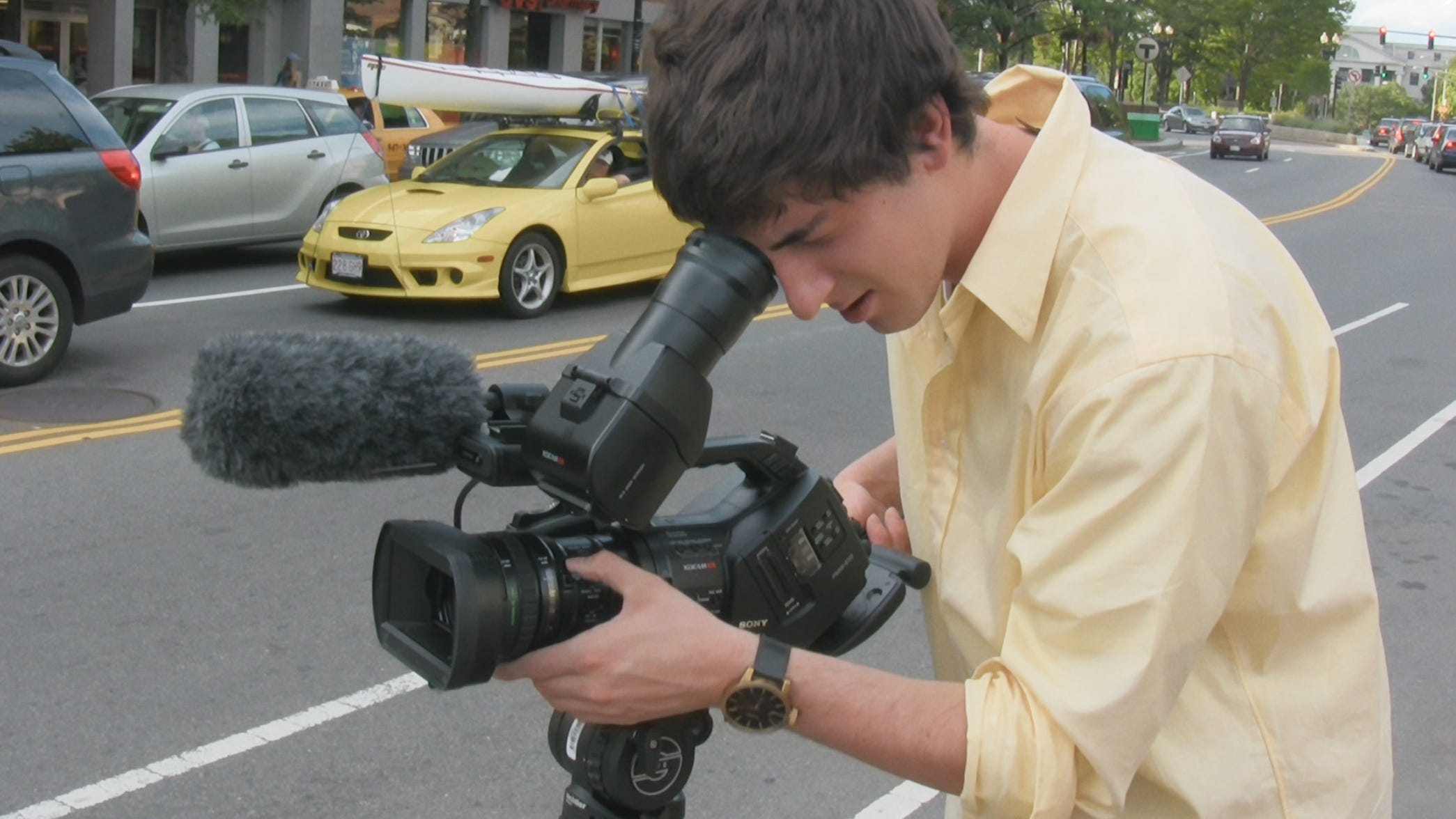
That was very familiar to me. I realized it’s what I do a lot in my films. It was such a pleasure to hear that. He became a kind of voice from behind the camera and said, “Show me what you can do,” and said, “Be careful,” you know. He’s sort of cautioning her, and she does her little spin around. She’s so proud; she looks up afterwards. It’s a wonderful little moment.
Again, I had nothing to do with it. It just was there in his external drives that I found afterwards. He was so young then—probably 12 or 13 when he filmed that—that I decided this was something that needed to be in the film.
His film did take off in other directions. If I can try to compress a statement about other ways in which it was quite different from my filming, he just seemed more brutally honest about his life when he was filming things that had to do with his own life. Especially when he moved to Colorado and drugs became more and more a part of his daily existence, he was so honest and candid in his footage—things that he shot with his friends—that I found it all kind of courageous, and perhaps foolhardy, because he was showing all of them doing drugs that were illegal, like snorting OxyContin and things like that, and not really thinking about where the footage could go and what kind of trouble he could get into at some point.
That’s the kind of filming I never did. I never had to blur anybody’s faces in any of my films. It was clear that I had a rapport with people I was filming, for the most part. This is something quite different for me, and it gave me a glimpse as to how his world operated.
Other things he filmed in Colorado were quite beautiful. He attached a GoPro to his ski helmet and filmed remarkable footage of himself skiing really quickly through a forest. He was way off the beaten trail, the ski slope, and found his own way down the slope. I was able to kind of write to that in a way. But that’s his footage. I wasn’t with him when he shot that.
There are instances over and over again where he films in different ways that I felt really fleshed him out as a real human being, in a way that my talking about him couldn’t possibly do. It seemed to me important to include his footage, to make him seem more real as a person to the viewer too—to audiences.
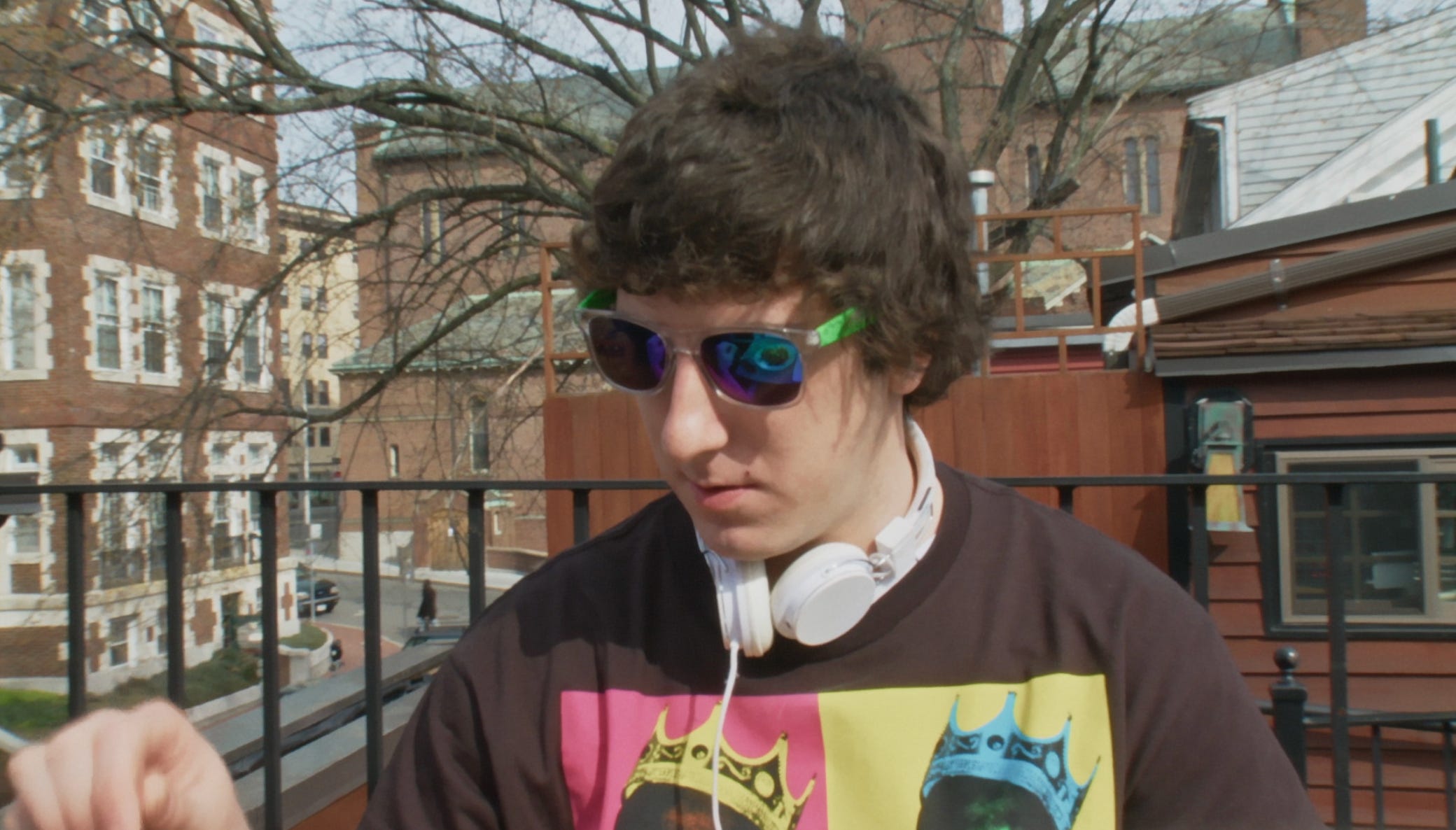
Vanessa: What strikes me about the change in our times—and film, and your films in particular, are so good at capturing change and the passage of time—is the media environment you grew up in, where you were really a pioneer in this field of autobiographical filmmaking, first making landmark features. Sherman’s March was a hit in 1985. It preceded our current obsession with reality television, our way of structuring those shows, where, as you do in your films, you could sit down, put your camera on a tripod, and speak directly about what you’re experiencing in the moment. This is now standard practice.
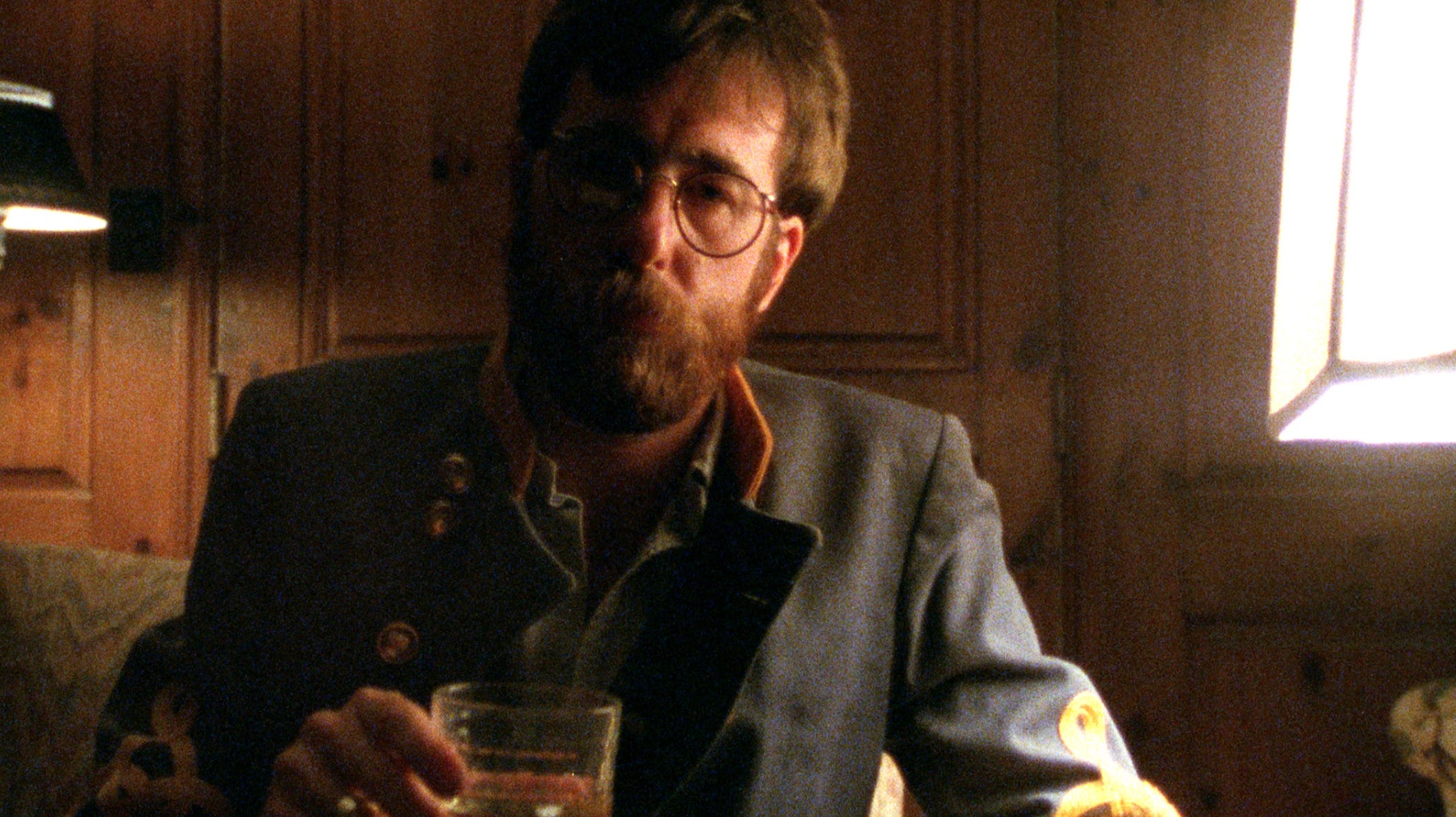
Adrian grew up in a world completely saturated with cameras, social media, with almost a surveillance-level change in our culture. I wonder—you must have deep insight into all the ways in which this impacts a person’s life, in terms of our environment around us, because I think the environment and our peers have a huge impact on how we understand and engage with the world.
Ross: Well, I don’t know how deep my insights are, but they definitely reflect exactly what you’re saying. My way of gauging it is that, when I began teaching, we were shooting 16mm film. There was no internet, no reality TV, none of these things that, as you say, are saturating our environment. Selfies didn’t exist. Cell phones didn’t exist. Nothing.
My mandate—as you know, it was true for everybody who taught this particular program—when we were teaching the 16mm course, was to prepare students to go out and film things that were not familiar to them. We forbade them from shooting on campus. They needed to go out into the cold, daunting world of Greater Boston and find a subject that they could film, or sometimes even further away: New Hampshire, Vermont, wherever.
They did that. It was gratifying to see how they were able to come back with interesting films, almost always. At the end of the term—when there was a two-term course—a group of 10 of them would make one 16mm film. It could be about a subject of their choosing. They would have to research it and find out about the subject. At the end of the term, that one film would be shown as representing what the class did that term.
Those films were amazing. Someday, at least a selection of them will be shown as a kind of remarkable portrait of Greater Boston as shot by 19- and 20-year-olds. The cinematography is quite good. We showed them so many films, and they saw how other people did it. We spent a lot of time sitting with them at the Steenbeck, which used to be this arcane instrument with which they edited the films. It was all very gratifying, and it seems like the world was simpler then in terms of making media. You chose a subject and then you went after it as best you could.
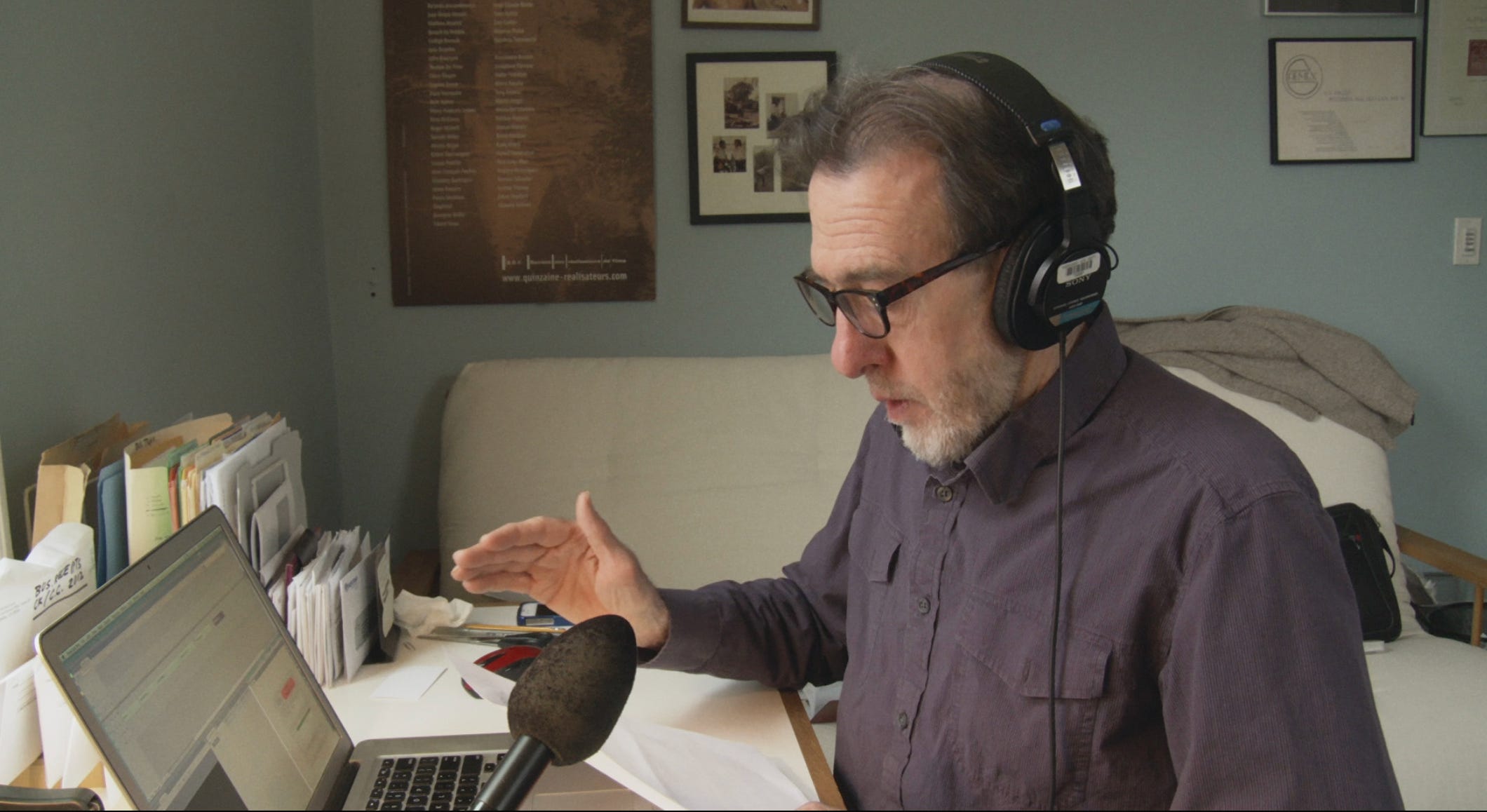
Now, of course, things have changed completely. I don’t teach now; I’ve retired. But up until two years ago, the issue was that students came in thinking they knew how to make films. They have cell phones, they’ve made films, they’ve posted them online, and you kind of have to disabuse them of a lot of what they think they know—or sometimes utilize it to make whatever they’re doing more interesting.
It became a real challenge. The other thing I noticed, in terms of a change in the landscape, was that the public—the people students would go out and try to film—suddenly, rather than being kind of amused by the notion of being filmed by someone with a large camera and another person holding a microphone and a large tape deck, wanted to do it in a different way.
They became very suspicious and reluctant at first to give themselves over to being filmed because they knew that whatever these young people filmed, whom they didn’t know, could end up on the internet and could be harmful to them. They were suspicious as they needed to be.
That’s made it harder, for the most part, at least in my experience, for students to really penetrate that barrier that exists between the public and media makers. But they do it. They’re determined, and they find a way. Sometimes projects start and then they have to end, and then students have to find another subject by the end of the term. But by and large, they do quite well.
Social media has changed the landscape quite a bit. It has made things, in some ways, easier because the equipment is technically easier to manage than 16mm film, but also harder because of people’s recalcitrance about being filmed.
Vanessa: I would love to take a tangent into Sherman’s March, because Ted and I just rewatched it. We absolutely love that film. It’s a film about taking tangents.
I would love to understand—maybe we should set up the film. I can describe it, or if you would like to describe it. I’m curious where your thinking is today on the legacy of the South and its history. Should I describe it, or would you like to? Let’s start there.
Ross: Or you just give the subtitle of the film.
Vanessa: You know the subtitle of the film better than me.
Ross: I made it: “A meditation on the possibilities of romantic love in the South during an era of nuclear weapons proliferation.” That actually sums up the film pretty well.
Vanessa: Exactly. It does. But for those who haven’t seen it yet and can now see it in movie theaters where it’s playing, we should share that you start out interested in Sherman’s March to the Sea…
Ross: It was always going to be about a contemporary view of the South in the shadow of Sherman’s March, his very destructive march 100 years earlier.
Southerners had been holding on to that as an inexcusable gesture toward—. I think Southerners hold on to this notion of having been wronged by Sherman, who basically left the battlefield—what people normally thought of as the battlefield—and waged a war that was primarily against a civilian population. It was the first time that had ever been done in modern warfare.
The whole purpose of Sherman’s March was to destroy crops, railroad lines, anything that was supporting the troops slightly up in the north, in Virginia—where the Confederate Army dug in fighting against the Northerners. They went down and burned plantations and set slaves free and all of these things that were really, really difficult for the South to accept. Of course, the South lost the war, so they had no choice but to accept it.
There was a certain amount of totally unjustified resentment on the part of some Southerners about the way the war ended, but they should have thought of that before they started the war, is my way of responding to that criticism.
I was curious about how that feeling still lingered. I was also serious about the theme of nuclear weapons because the South was home to a lot of military bases, and also plutonium-processing plants—plutonium being what you need to build a nuclear bomb.
It all seemed to have terrible irony for me: that the South had become the most militarized part of the country in a way, and also was playing a major role in being able to provide a nuclear arsenal for the United States. Before the end of the Cold War, this was still very much a point of concern for everybody alive at that point, because Russia and the United States had enough missiles aimed at each other to completely destroy life on Earth.
That’s the climate in which I grew up as a kid. It was also what drove me to follow this path of Sherman’s March through the South and try to find some way to link together the militarism of the South and the lingering resentment about an event that was 100 years old at that point.
What I didn’t think I’d be doing was trying to find a romantic partner for myself, because my girlfriend and I had broken up days before I set out on my journey to make Sherman’s March. Once again, I just suddenly wasn’t in the mood to make the film I thought I was going to be making. Yet I felt I needed to because I had some funding from an arts agency, which I guess expected me to adhere to my original proposal.
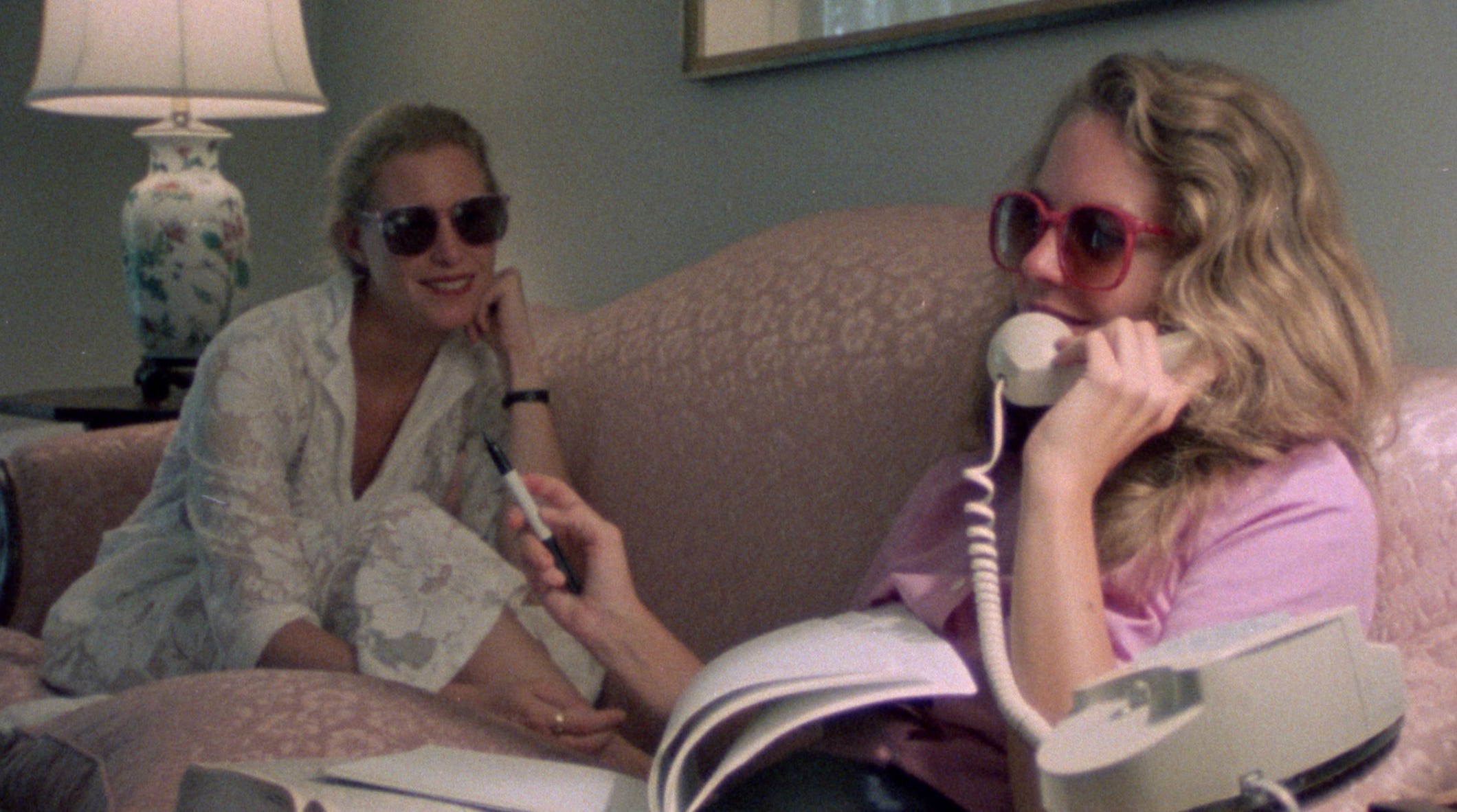
That’s the background to Sherman’s March, if that makes sense. There are a series of Southern women I meet while dutifully following the path that Sherman took through the South, which was from Atlanta to Savannah, to Charleston, South Carolina, then up through Columbia, and then finally forcing a Confederate surrender close to Charlotte and Raleigh, North Carolina.
Charlotte is where I lived my entire life. So I felt all of this was leading, in some sort of autobiographical way, to some kind of movie that would also involve my life. But I didn’t know exactly how it would work out until I started shooting.
Vanessa: The way you’ve just described the film—and the experience of watching the film—is so multilayered and so much richer than I personally imagine a Hollywood remake might ever have been.
I’m curious. I think you present the women who, as you say, you have a relationship with, and they clearly have a relationship to you and the camera. They’re comfortable in front of the camera, or if they’re not, they let you know. They’re such vivid portraits of a time and a place and these women. It’s remarkable, the footage that you capture, the intimacy and the depth.
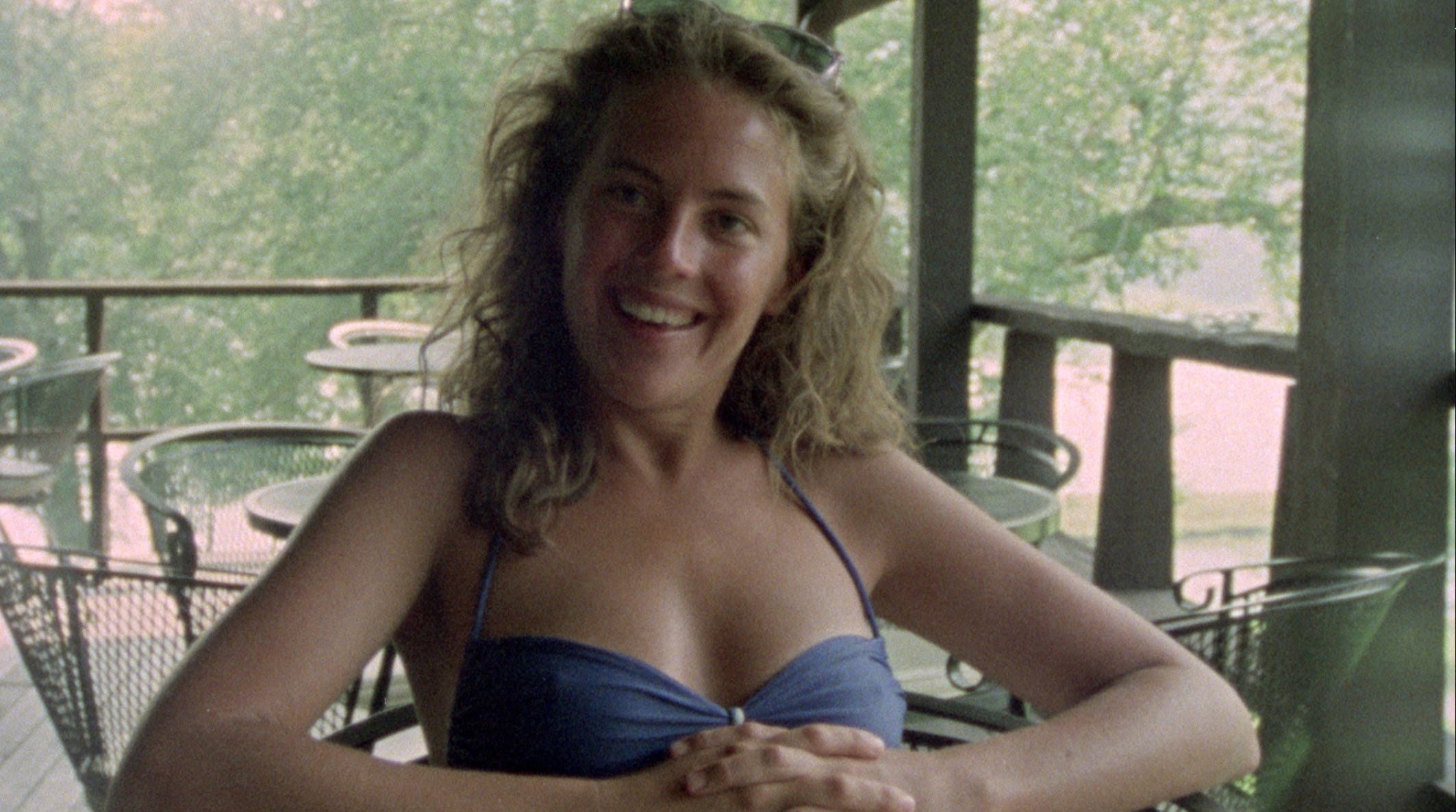
I’m just guessing here, but this Hollywood producer who wanted to remake Sherman’s March, was it because of the women? Or was he also interested in the other layers, the time and place?
Ross: He was very interested in the various layers as well. I was very curious about how in the world he’d pull this off. He really liked Sherman’s March, and I felt he was sincere in his determination to make something interesting out of the whole idea behind it.
He did want it to, as much as possible, resemble the original documentary. My misgiving was that once you set up a situation where you’re using actors and they’re following some kind of a script, some sort of invisible magic just disappears. I didn’t know how they’d overcome that. But then I’ve never tried to make a fiction film, so I simply had to see what would happen.
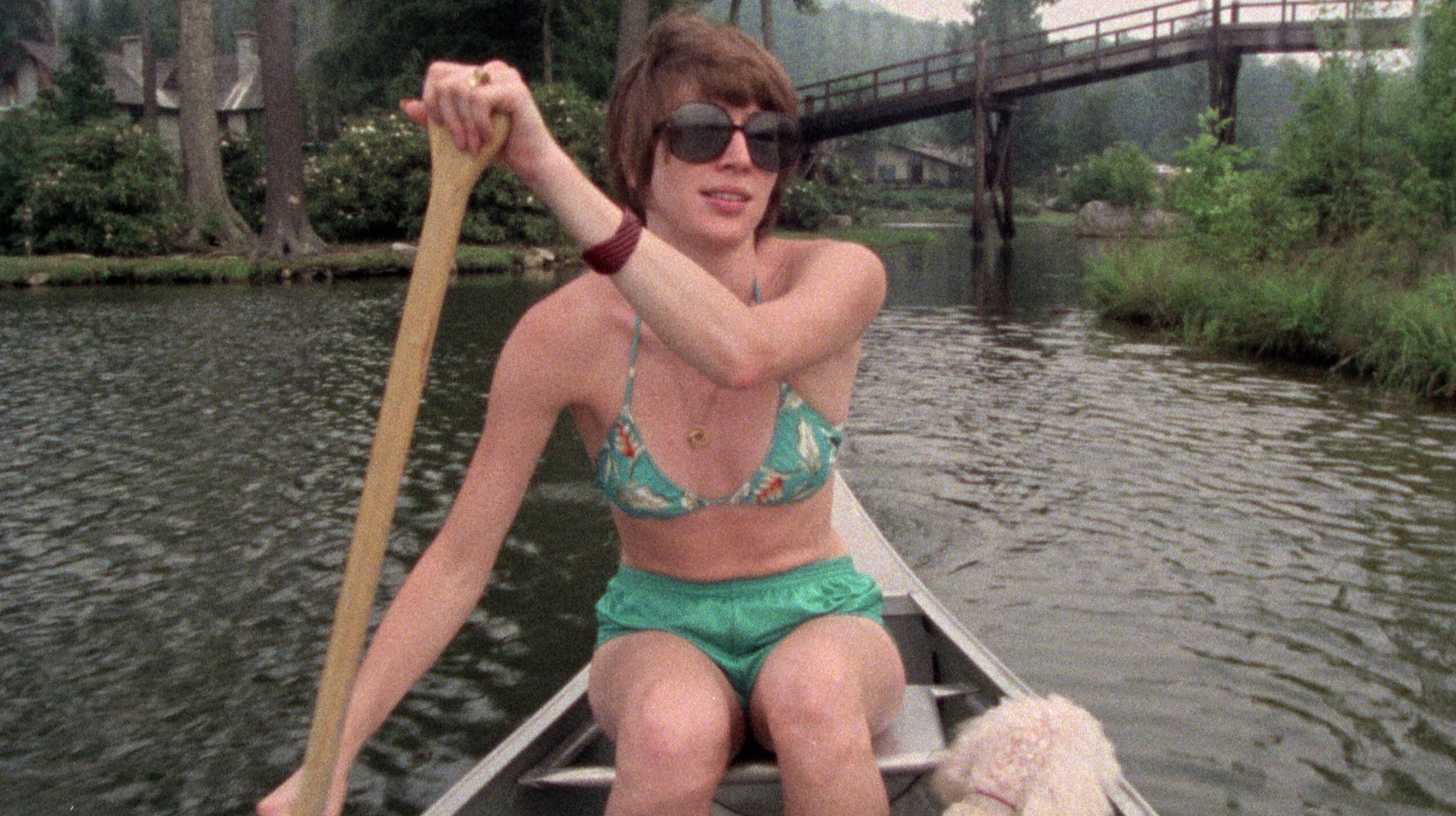
I did negotiate for the rights to make a documentary about him making a fiction film about my original documentary. He gladly acceded to that. I felt he had a chance to pull something interesting off because certainly his other films had been broad comedies with people like Eddie Murphy and well-known movie stars. He had made millions of dollars by making those films happen—three or four in a row at that point—so he knew something about how to get a film made.
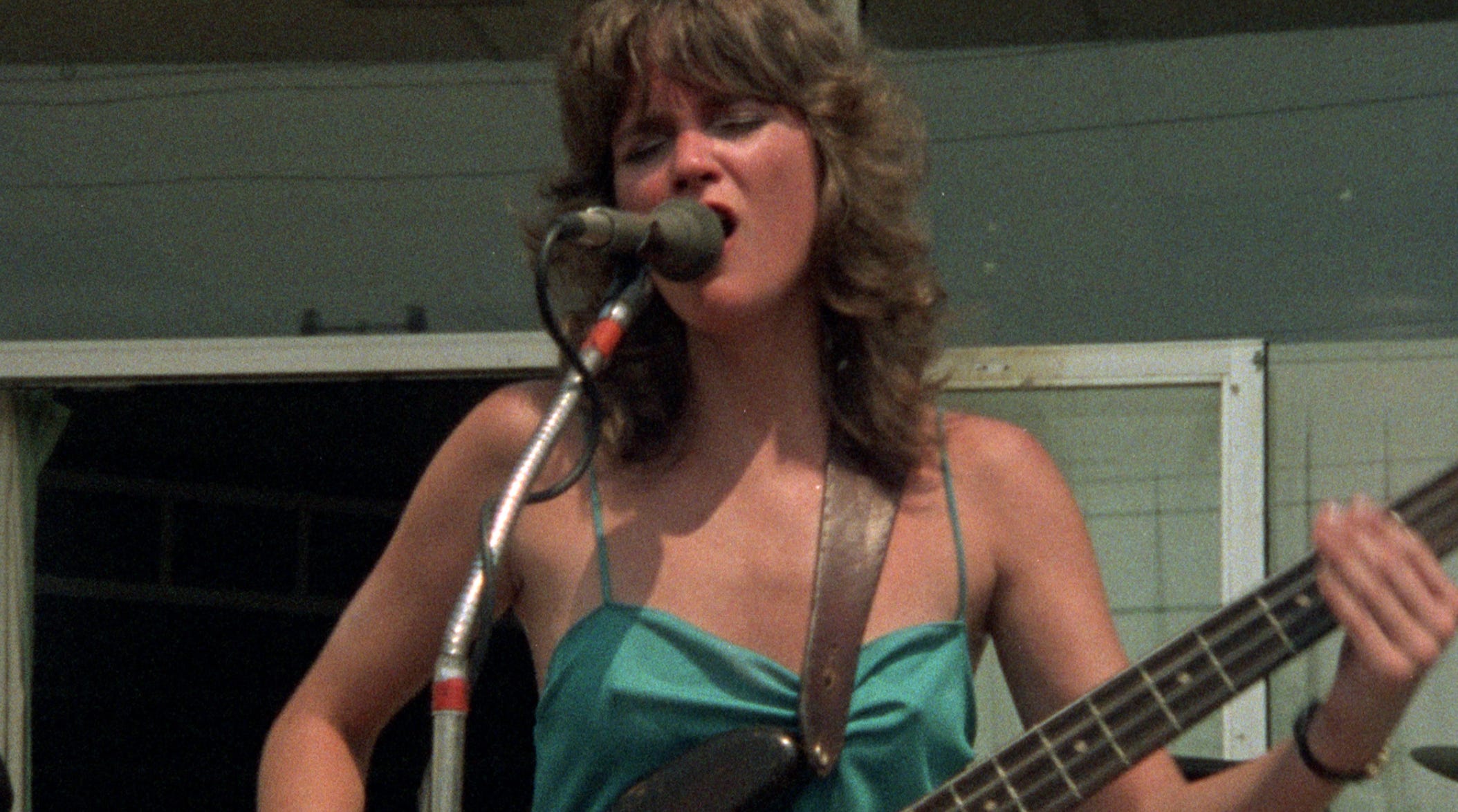
Why not let him try, as long as I’m able to film various updates and how it was going? Something will come of this. It’s interesting. But again, I had no idea what. I had no idea if he could succeed. He wasn’t somebody I knew from a prior relationship, working relationship, or friendship. I liked him tremendously, but I didn’t see how they could do it.
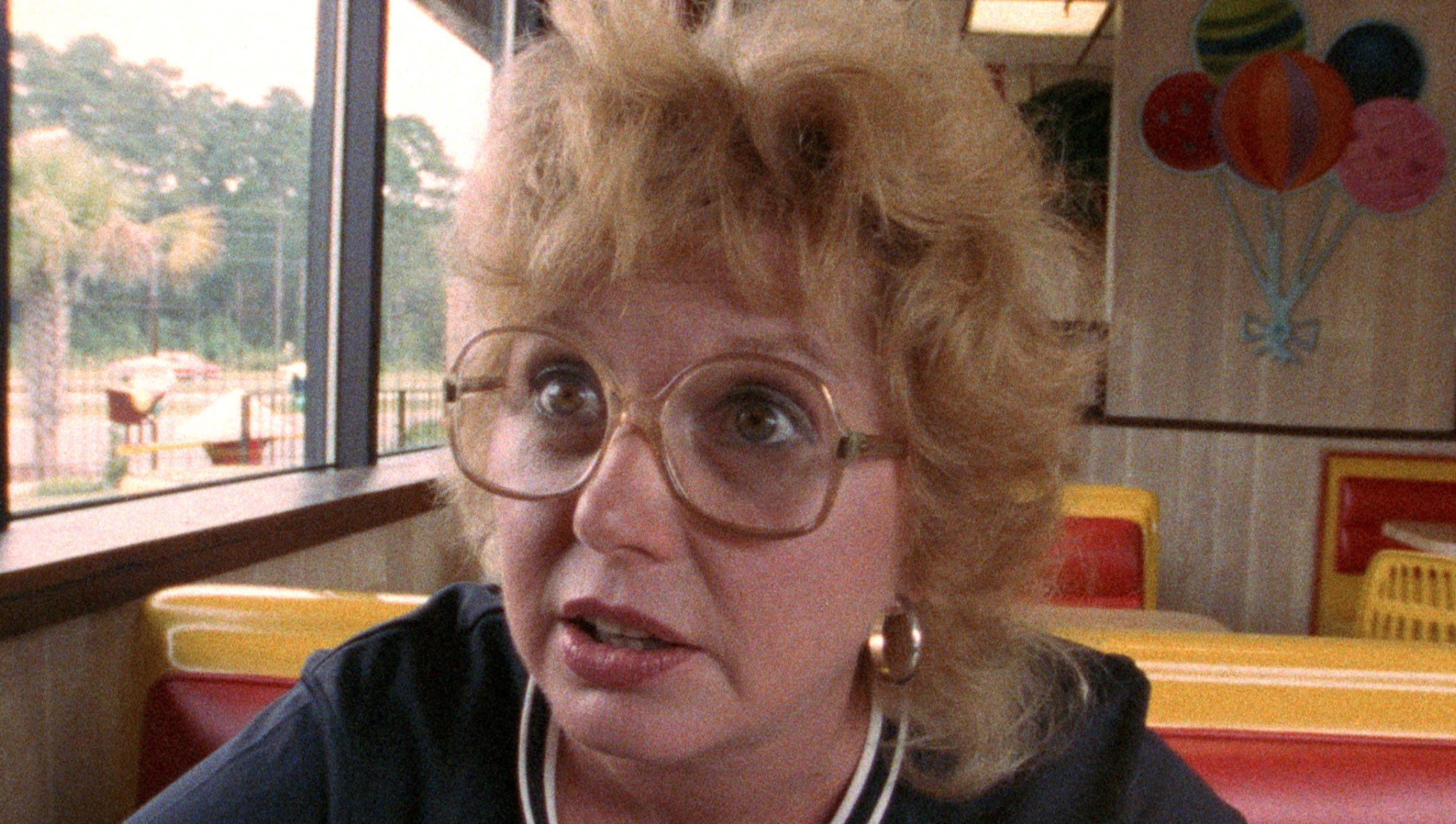
Vanessa: I have to share with you: I’m a Northerner. I was born and raised in New York City. The very first time I ever encountered Southerners from America was in China, in Beijing, when I was a student straight out of high school and went to spend a semester studying Chinese in Beijing.
Half of us were from the North and half of us were from the South. I had never encountered Southerners, and they were all joking about it, but they all wanted to re-fight the Civil War. They couldn’t accept the loss. It was present. It’s so interesting, that phenomenon. It is true: whether it’s a breakup or whether it’s a loss, we have a hard time letting go, processing loss.
Of course, I wasn’t really thinking about the Civil War back then. However, get this: you’re not going to believe it because it’s a little hard to believe, but it’s true.
On my mother’s side, my grandmother, who was an actress in Hollywood named Joan Bennett, her grandfather was a man whose name was Morris W. Morris, and then he changed it to Lewis Morrison when he became an actor. He was born in Kingston, Jamaica. He was African, Spanish, Black, and Jewish, and he moved to New Orleans.
He was in a Confederate regiment in New Orleans as a way to gain some status as a free person of color in New Orleans. Then, when the Union took New Orleans—he ended up fighting on the Union side in the end. He never fought on the Confederate side. He never saw battle. He did fight on the Union side, and he got some little bit of honor.
Then, when it was all over, he became an actor, and he played Mephistopheles in Faust sort of for the rest of his life. He became very well known for that. His daughter was an actress, and it just kept going for generations.
I have told Michelle Norris about this because Michelle Norris is fascinated with personal histories and race in America. Maybe I’ll talk to her more.
Ross: Vanessa, this is an amazing story. It’s Vanessa’s March to the Sea.
Vanessa: Ha! I’m just fascinated by this history. When you go home today or look at the South today or look at MAGA Republicans, it feels like this country cannot stop with the white supremacy and reviving old tropes.
Ross: Totally true.
Do you know that Sherman actually was stationed in New Orleans for a long time before the Civil War broke out? He really loved the South, as I say in Sherman’s March. When he was in New Orleans, he did landscape portraits of things, people, places, and he gave them to his friends in New Orleans. Then, of course, he was the one who came through and just savaged the South all the way through. Not New Orleans, but he was stationed there.
Vanessa: It’s a fascinating history. When you speak about your own family history, which is in Bright Leaves and in all your films, in a way, you were a bit of a rebel. I don’t know if you saw yourself as a rebel, but you are an artist who chose not to go into the family profession for the sons, which seems to be medicine. Your father was a surgeon, your brother’s a doctor. I wonder how they looked at your choice now, or how you look at it today, or how you look at that question of legacy, which is something that you’re exploring in your new movie, Remake, also.
Ross: Well, I don’t spend a lot of time thinking about legacy. It wasn’t an overt rebellion against my family. There was nothing hostile about it. I just knew that it suited me more to try to become some sort of artist, somebody who lived through some kind of artistic skill.
But yes, it’s true. Three generations were all surgeons, doctors. As far as my relationship to my father, he simply wanted me to be able to support myself. We were from a comfortable family, but we weren’t highly wealthy. I needed to be able to do whatever it was—in filmmaking or if I was writing. At one point I thought I wanted to be a writer of some kind. I did still photography for a while. I wasn’t quite sure what I would do, a little bit like my son, with all of these different interests.
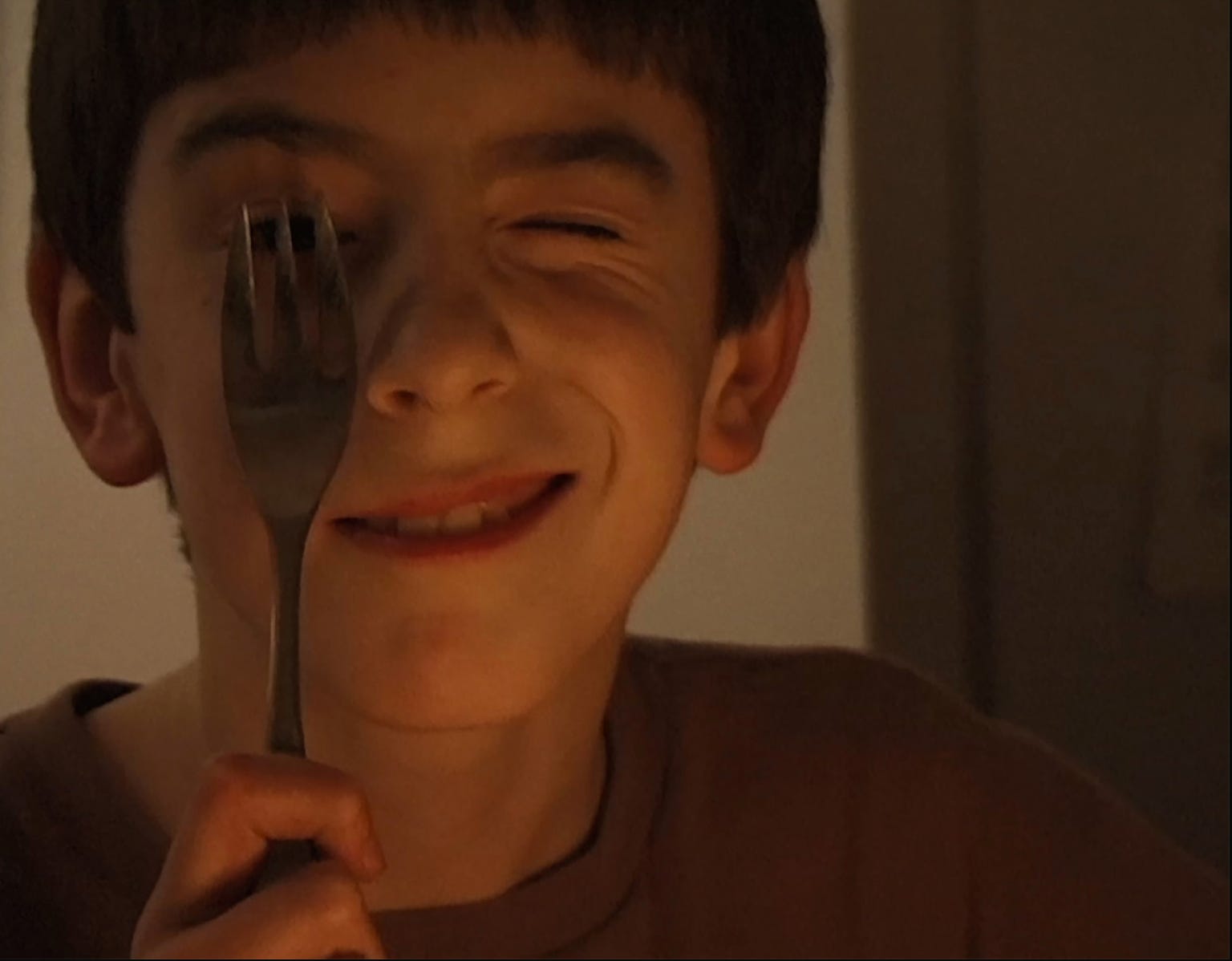
My father always felt that if there was some way you could find to make a living, he’d be very happy for you. He never quite understood what I was doing. How could he? It was such a strange and different thing to do, especially back then in the 1970s, when you’re making these arcane films with handheld cameras and they get shown, if you’re lucky, in small museums here and there, and you have to do some other job to support yourself, like teaching, which I did for many years.
But I’ll tell you: finally, Sherman’s March was finished, and we had the premiere at the ICA in Boston. I invited my father and stepmother to come up and see the film so that he could finally understand what I’d done.
He did come, and he sat next to me. There was a full house because I knew almost everybody there. People were laughing pretty much consistently throughout because there’s a lot of humor in Sherman’s March. I looked over to my father out of the corner of my eye, sitting next to me, and he was laughing so hard he could hardly—
He and I were always very serious with each other. He was a little bit intimidating to me because he was highly respected as a surgeon, and then, who was I? I was this sort of no-count son who was running around doing this and that and not making any money at it.
Afterwards, he looked at me and said, “Son, I never knew you were so funny.” That was the moment that really stayed with me. It made me so happy that he could see that something I’d learned how to do somehow through osmosis—from watching hundreds of other films, talking to teachers who had been in film school, having other filmmaker friends—it had all somehow come together with me being a Southerner, and this film came out of it.
I could never trace in a thousand years how that happened. But the fact that my father could see the humor and obviously enjoyed watching the film meant a lot. Plus, the praise that came in through the newspapers: first the Boston Globe was the first to write about it. It was a very solid review, very appreciative. Then, of course, the New York Times, and on it went. I made money off of it, so he was very happy. The last thing you can do as a Republican Southerner, you’ve got to make money. So there you go. I did it.
My father died shortly after that, and I was so happy that we got to see the film together before he left.
Vanessa: And you got a teaching job at Harvard.
Ross: Mm-hmm.
Vanessa: That’s so beautiful. That’s wonderful.
I’ve read that you’re in process on a new film. I’m curious also whether you and Robb Moss have spoken about both having films—his The Bend in the River, yours Remake—both of you studied under great documentary filmmakers, Richard Leacock at MIT and Ed Pincus, and both of you teach at Harvard in the documentary and ethnographic film programs. You’re friends and you’re in each other’s films. Is there an ongoing competition there now that you have films out at the same time about age?
Ross: Well, it’s unfortunate timing, I think, because I wasn’t really tracking his film and he wasn’t tracking mine, but somehow we ended up releasing these films that we worked on—for me, for almost 10 years, and I guess it had been 10, maybe 20, whatever his time frame is of working on the river films.
Suddenly they both entered the public domain within a few weeks of each other. This is astonishing. We laugh about it. In some ways, it’s hard enough to get the world to pay attention to one of these arcane documentaries, but to have two of them come out at the same time, with their filmmakers coming from identical backgrounds in so many ways, is hilarious.
No, I don’t feel any competition at all. I just wish him all the best with his film. I think he does too. We helped each other. We saw cuts of his film, The Bend in the River; he saw cuts of Remake before it was finished. That cooperation and communication, as filmmakers with works in progress, was very much intact all the way through the process.
Vanessa: I wonder, as a last question or thought, how this idea of remake now sits with you. Is it true that we can remake our relationship to the past, or remake our work in a way that sheds new light?
I imagine your experience with this film, Remake, in theaters with audiences is deeply moving and profound—that your honesty and bravery and vulnerability, and your son’s and your family’s, helps other people process their own loss and grief and vulnerabilities that they’re afraid to discuss. I wonder what your experience has been.
Ross: Well, it’s so hard to tell. As I think I mentioned, I stopped doing the Q&As for my screenings several cinema releases ago. I just felt it was awkward for the audience and awkward for me. I didn’t know how to begin to talk about it. Audiences didn’t know how to begin to ask about it because it’s so intensely personal and intimate. Yet there’s something about it that’s also universal, because audiences do seem to respond.
For Q&As, I think the problem was: there are hundreds of questions you could ask. There are no answers. There are no A’s. So what am I doing up here on stage?
I wanted to help with the film’s distribution, and I’ve done that with all my other films and talked about them afterwards. It’s always been a kind of pleasure to do that. I found it very, very hard to do it with this movie.
What I say in the course of the film is what I want people to take away from it. I guess the way I would answer your question is, I hope that it provides maybe some solace, but actually a better word is probably companionship, to people who’ve also experienced a loss akin to what I went through with the loss of a son, a child.
A parent’s loss of a child is about the worst thing that can happen. All losses are difficult—the loss of a parent—but there’s something about the natural order of not outliving your parent, which is what you’d expect. It’s the opposite with a child.
What I’m hoping is that people who have lost either children or siblings, especially to addiction, could find some sort of companionship in working their way through the film. No answers. There are no answers that I can provide. But just a kind of perspective that says: you’re not alone.
In fact, we’re trying to institutionalize that in some ways through a group that got some funding from Artemis Rising. They had a program in which they support films that seem to have the potential to make an impact on culture or society in some way that needs attention.
PBS—has something they use called POV Engage. After screening on television, POV Engage then tries to set up workshops, meetings, screenings of the film in libraries in small towns for anyone who’s interested and has heard about the film or seen it on PBS. It will be broadcast eventually. We’re trying to work out how that can happen, and there’s a committee of people who work with PBS on this very thing.
It occurs to me that this is the mechanism by which I can reach people who want to be reached. Not everybody wants to try to deal with this directly. We will do a series of screenings, starting in Appalachia, interestingly enough, because that’s where the opioid crisis was really the worst. It started there, in Ohio, the Midwest—not either coast, but those areas. If it seems appropriate, it can branch out to other places.
They have a committee of people working on this. I think it’s a way of answering your question of whether there’s something more that people get out of a screening if they need to or want to. That’s what’s being planned now, so we’ll see.
Vanessa: Well, I think it’s deeply impactful and generous of you, and it’s deeply meaningful. I am so grateful that you trusted me and had the time for this conversation, which we’ll share. Thank you.
Ross: Well, thank you, Vanessa. I still think you should do Vanessa’s March to the Sea at some point.
Vanessa: Ha. No. With you, maybe. I’ll consult you. I’m only learning about the South through your movies, so I need to learn more first. But thank you.
Ross: Okay. Thank you very much. Say hello to Ted. Good.
DIRECTOR’S BIOGRAPHY
Ross McElwee is an American documentary filmmaker whose work blends autobiography, cultural observation, and humor. His breakthrough film Sherman’s March won the Sundance Grand Jury Prize. McElwee has made ten feature-length documentaries, which have premiered at such festivals as Berlin, Cannes, and Venice three times. He has received numerous career honors, including a Guggenheim Fellowship and the Pennebaker Award. In 2005, MoMA presented a full retrospective of his work, later shown in Paris, Seoul, Quito, Madrid, and Moscow.
Director’s Filmography: 1980, Charleen; 1982, Backyard; 1986, Sherman’s March; 1989, Something to Do with the Wall; 1991, Time Indefinite; 1996, Six O’Clock News; 2003, Bright Leaves; 2009, In Paraguay; 2011, Photographic Memory
REMAKE AND SHERMAN’S MARCH
ARE NOW AVAILABLE TO RENT/BUY ON DIGITAL PLATFORMS AS WELL AS PLAYING IN THEATERS
VISIT MUSIC BOX FILMS WEBSITE FOR MORE
https://www.musicboxfilms.com/film/remake/